
I saw a TikTok recently from a former wedding magazine editor who’d reviewed thousands of submitted galleries. She said the best weddings dedicated only about 10% of the day to “serving face” (aka the posed photos). The other 90% documented couples letting go and actually living their day.
What I’ve learned after documenting hundreds of love stories (and what I’ve heard from many of my couples directly) is that the photos that end up meaning the most are never the ones you planned. They’re the ones you felt. The moments when you forgot I was even there.
If you’re planning a wedding and want photos that feel like your day and not a performance, these wedding photography tips will help you prioritize the experience and let the beautiful photos follow.

3 Wedding Photography Tips for Couples
1. Prioritize Candid Moments Over Posed Photos
If I could give you just one piece of advice when it comes to your wedding photos, it would be this:
Plan for your experiences, not just photos.
When you prioritize your experience above everything else, the beautiful photos will follow.
Sometimes, when couples hear me say “prioritize your experience”, they think that means planning a destination wedding in an incredible location or going on an epic adventure. And while this can be prioritizing the experience for some couples, it doesn’t always look that way.
Prioritizing your experience can be as simple as calling a loved one after you get married to share the news. It’s not a typical photo moment; it’s just you wanting to hear their voice. But that image of you on the phone, with your partner watching you, and the joy on your face as your loved one congratulates you, can create a feeling that makes that photo so much more than just an image.
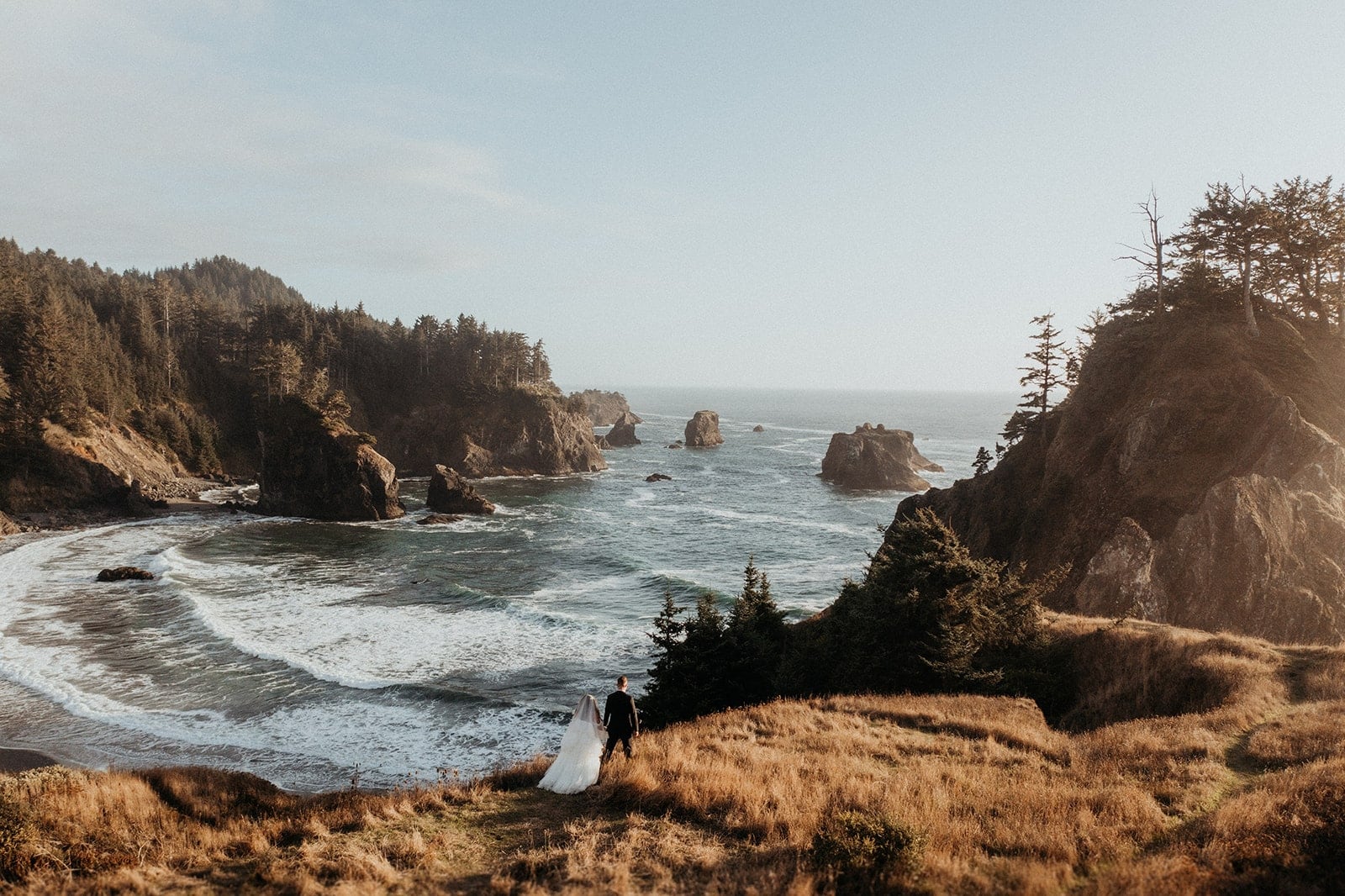
Anna and Angie were a great example of this. At their forest elopement, Anna walked barefoot in the forest so she could feel grounded and connected to the earth.
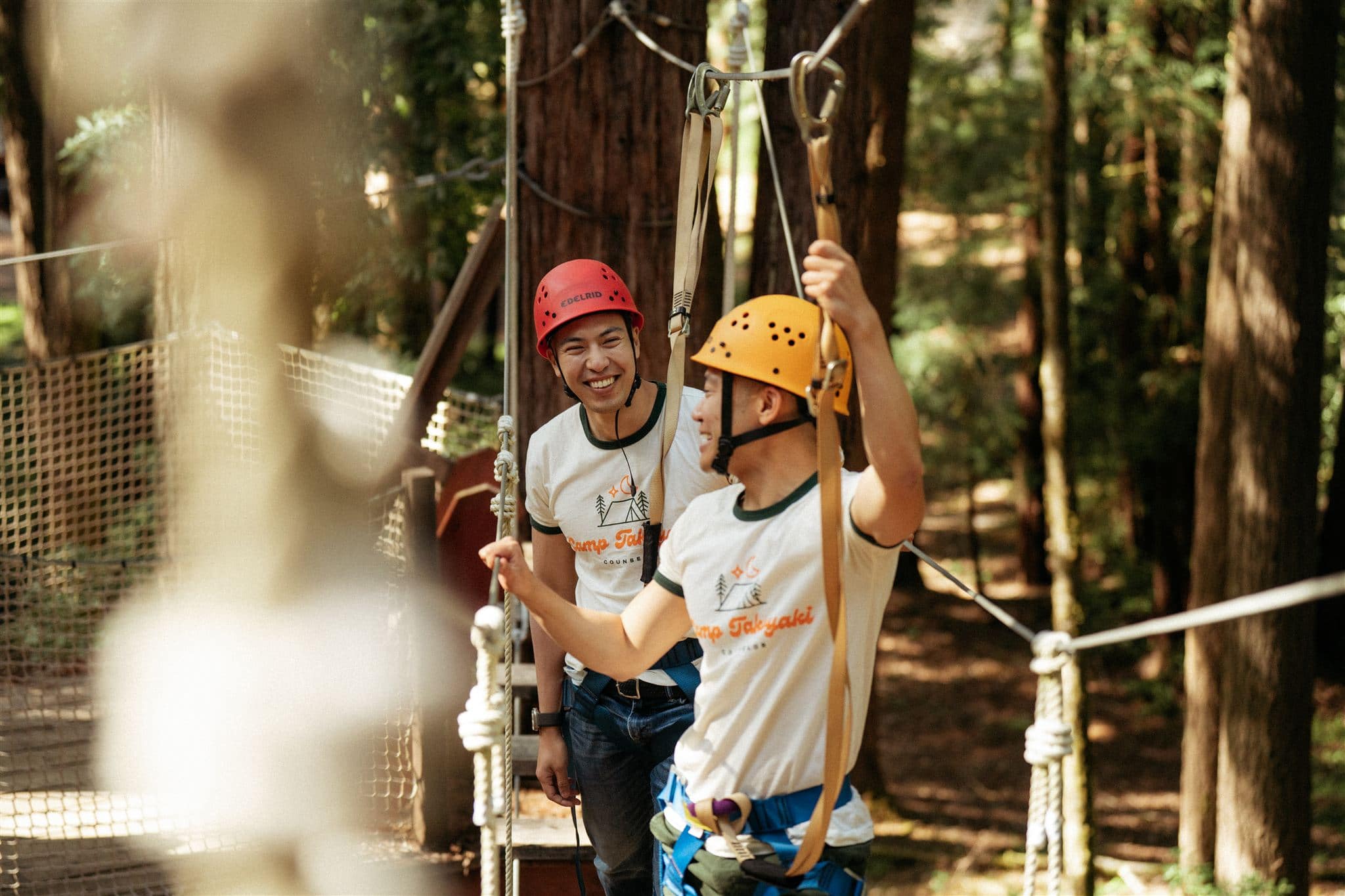
Kevin and Brian planned a summer camp wedding with actual camp-style games – not just because they wanted fun photos, but because that was the actual experience they wanted to share with their guests.
When you plan moments that feel meaningful to you, the photos take care of themselves, and oftentimes become the ones you treasure the most.
Photographer Tip: Planning for experiences instead of photo moments only works if your photographer is on the same page. When you’re vetting photographers, ask to see complete galleries from previous weddings (not just Instagram highlights). Ask what “candid photography” means to them. Some photographers focus on movement and energy. Others focus on quieter, in-between moments. I tend to photograph both – guests getting down to karaoke on the dance floor AND your loved one’s expression when they see you for the first time. What matters is making sure your photographer’s approach matches the experience you’re planning.


2. Build Unstructured Time Into Your Timeline
Part of planning a wedding that focuses on your experience is building unstructured time into your timeline.
Just as with elopements, it’s important to allow for calmer moments in your day. This can mean dedicating time for just you and your partner to be alone, or moments where you’re spending quality time with your guests without the pressure to “get photos.”
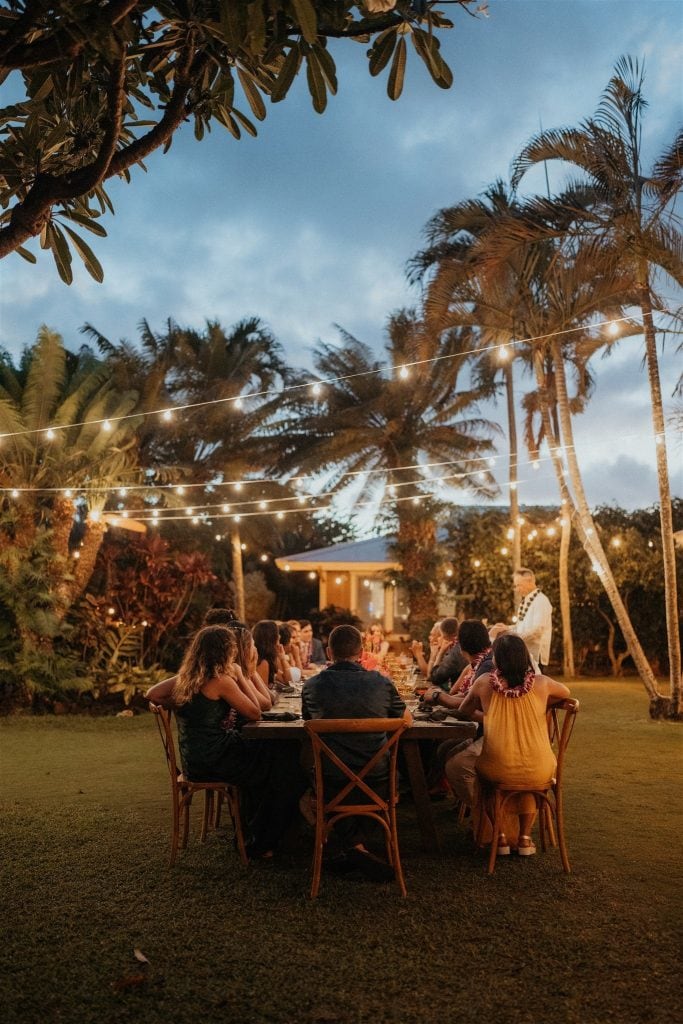
One of the biggest advantages of structuring your wedding this way is that it gives you room to breathe. It gives you the space to let your day unfold naturally, instead of rushing from one scheduled event to the next. And when you’re relaxed and present, that translates through your photographs too.
Timeline creation is part of my process with every couple, and I automatically build buffer time into your day. But I also want to hear from you about where you want extra space to be present and which moments matter most to you.
Think about what you already love doing and who you want to do it with. That’s usually a good place to add some extra breathing room.
That could look like blocking out an hour and a half for cocktail hour because you want more time to interact with your guests. It could also look like scheduling 20 minutes alone with your partner after the ceremony, before rejoining your guests.
These unstructured moments allow for real connection to take place and, as a result, become some of the most meaningful moments to photograph.
Your photographer can help with creating your timeline and suggesting when light will be especially beautiful, but it’s also important to trust what feels right to you. If you want an extra time with your guests instead of breaking away for golden hour portraits, do that. If you want to skip formal exit photos and just end the night naturally, do that.
When you thoughtfully plan the experience you want and build a timeline around that, you get to actually live your wedding day instead of perform through it.
3. Include Details that Support Your Experience
When you focus on your wedding experience over photos, the details you choose should reflect what matters to you, not just what’s trending on Instagram or Pinterest.
Maybe that means using your grandmother’s veil because wearing something she wore makes the day feel more connected to her. Maybe it’s incorporating your favorite song into the ceremony because it means something to you and your partner, even if it’s not a typical wedding song. Maybe it’s smudging with sage before the ceremony because it’s a ritual that grounds you and honors your heritage.
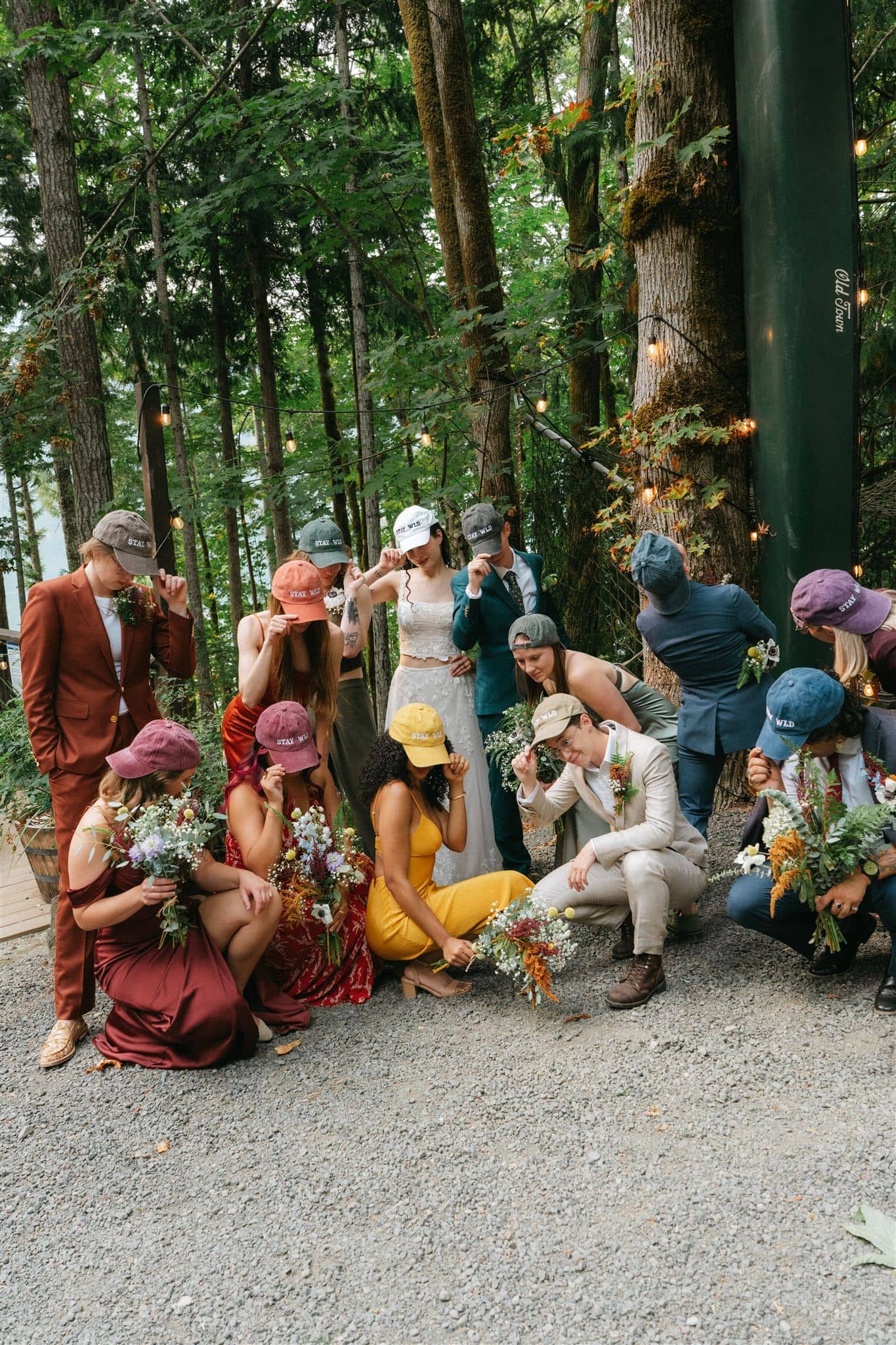
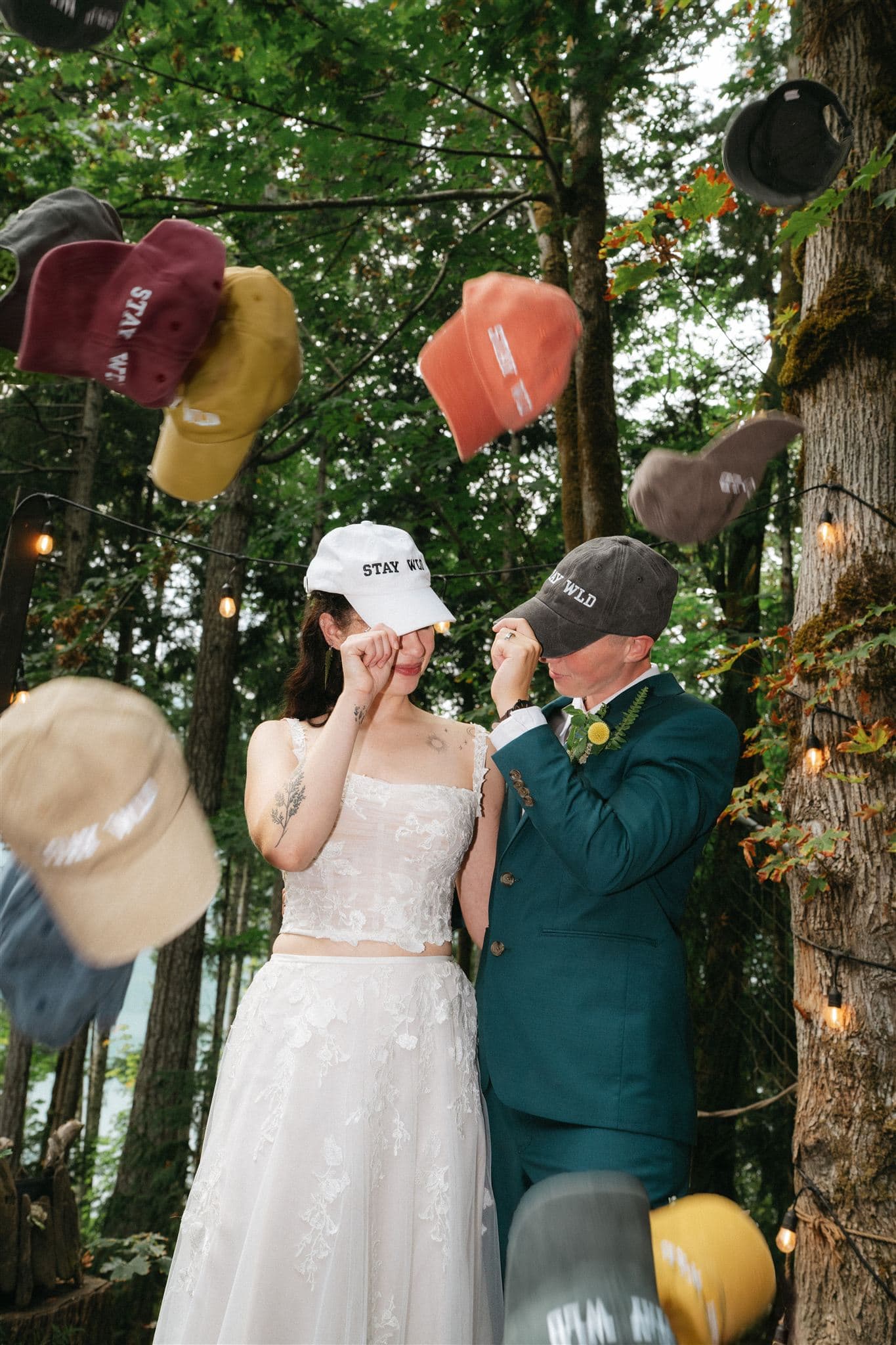
One couple I photographed gave matching hats to all their guests with their new shared last name, “Wild,” embroidered on them. Each hat was color-coordinated to the person’s outfit (yellow dress, yellow hat), which made this detail even more thoughtful and intentional. After their ceremony, everyone put the hats on while laughing and taking photos with each other. The hats themselves were a fun keepsake, but the time together and the photos we took were some of the most memorable ones from their day.
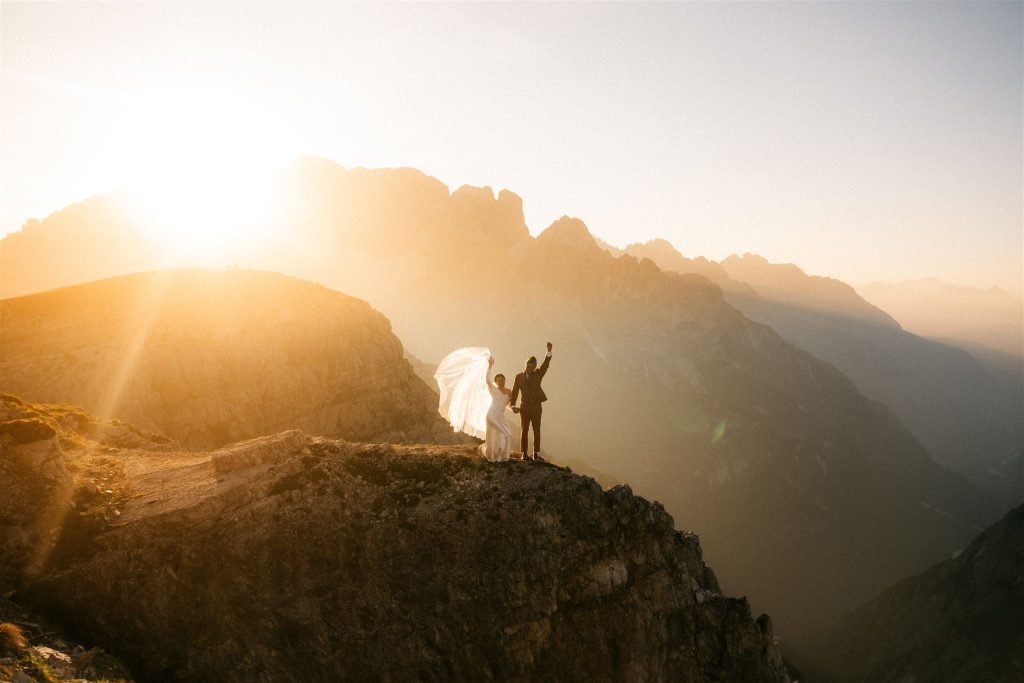
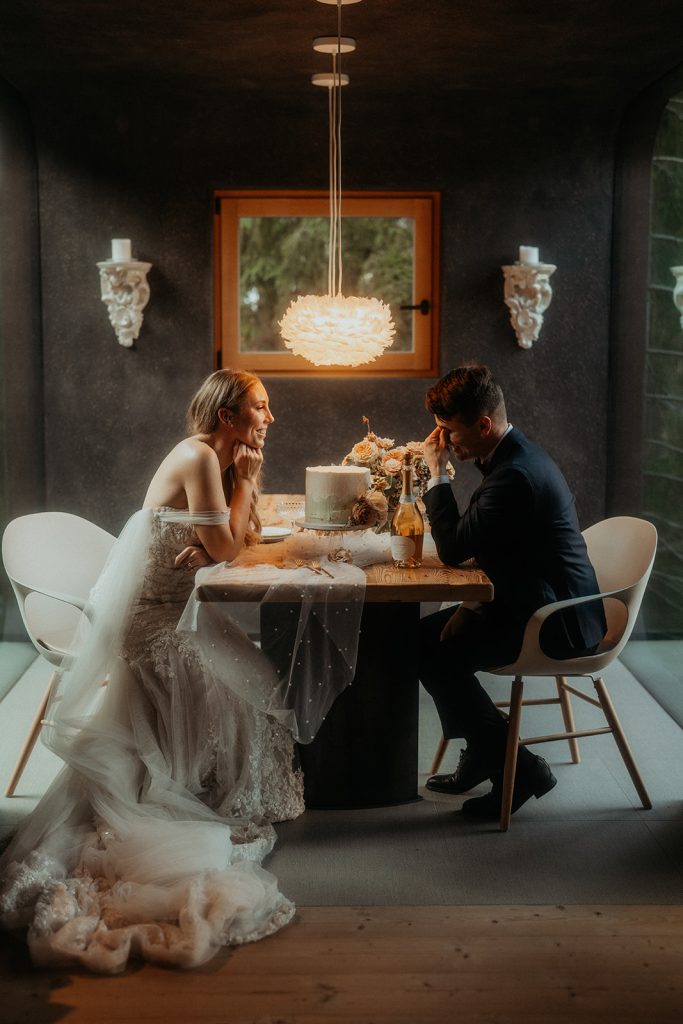
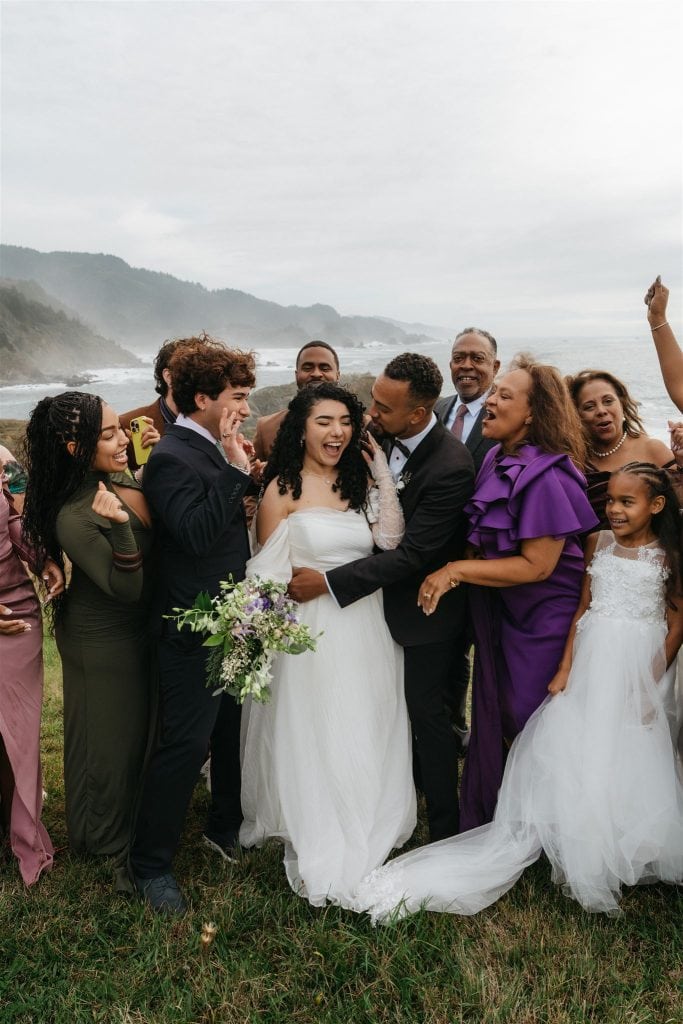
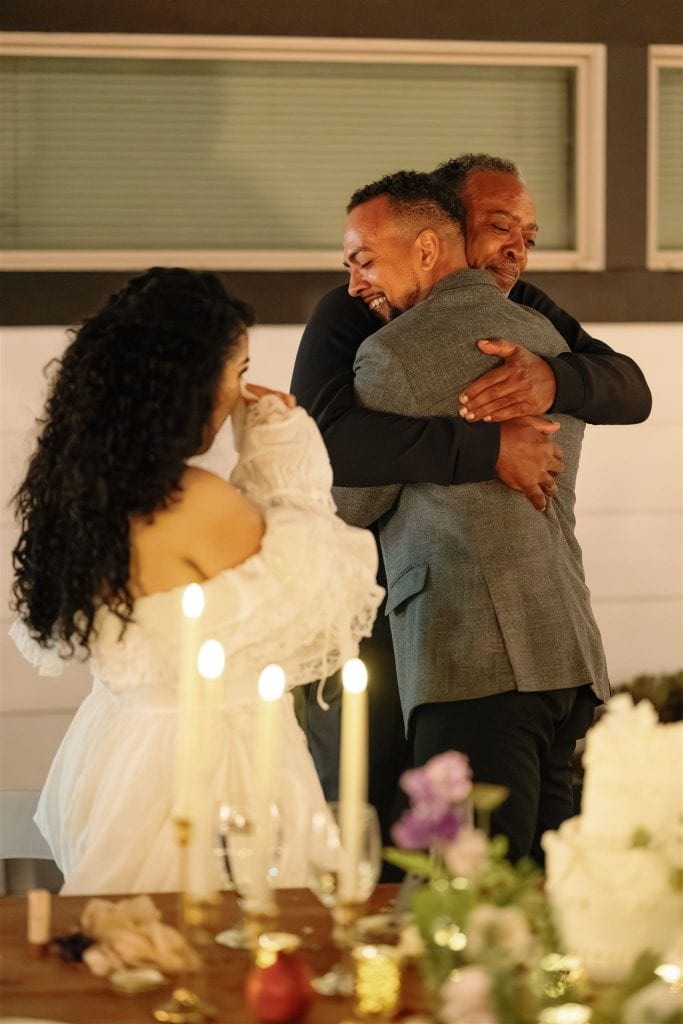
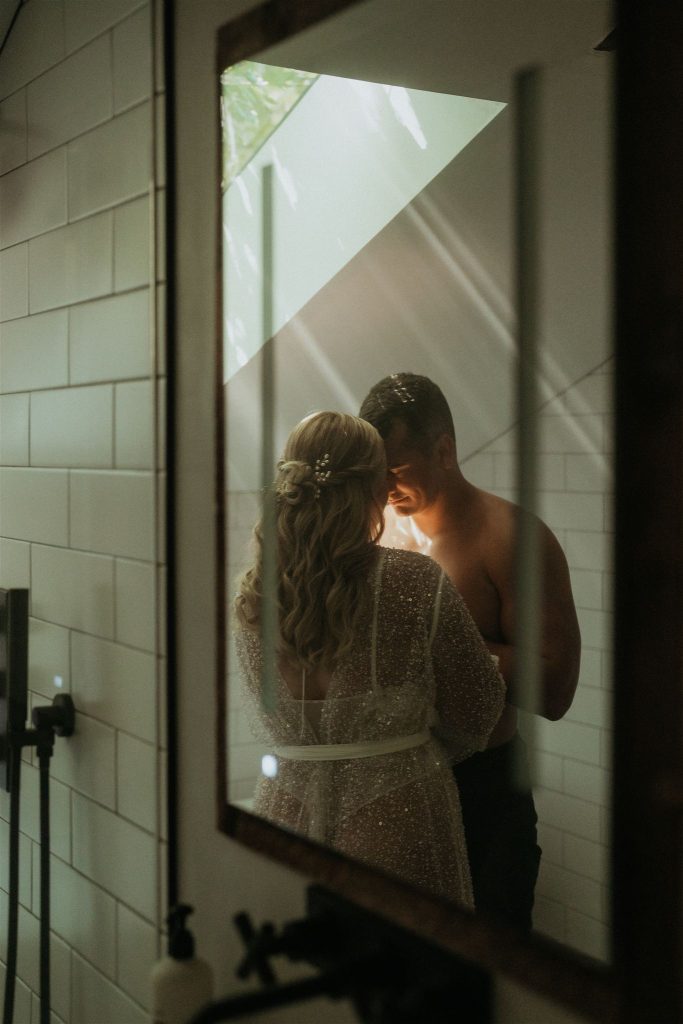
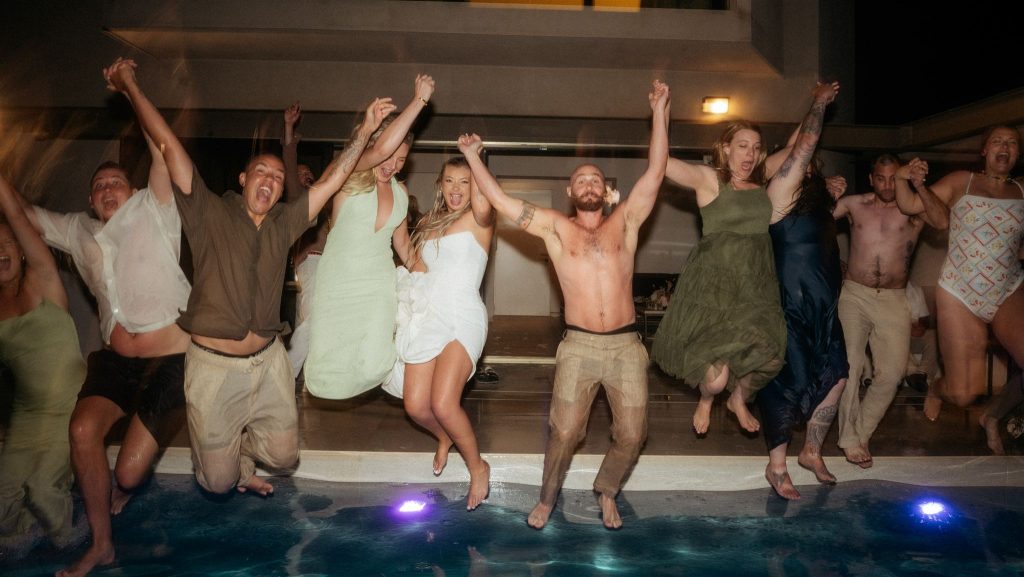
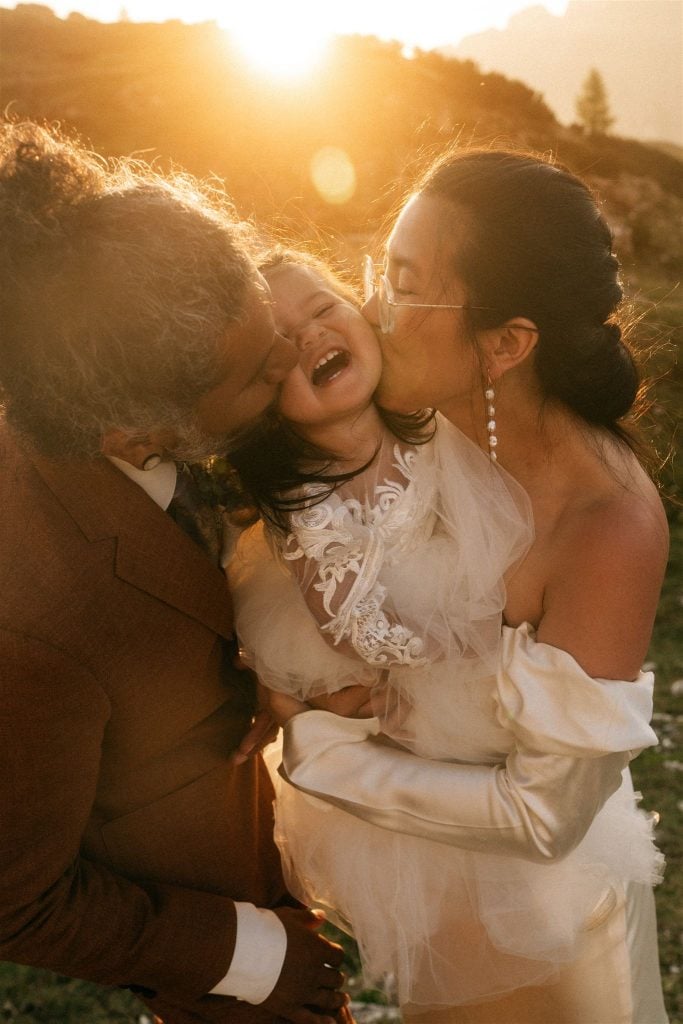
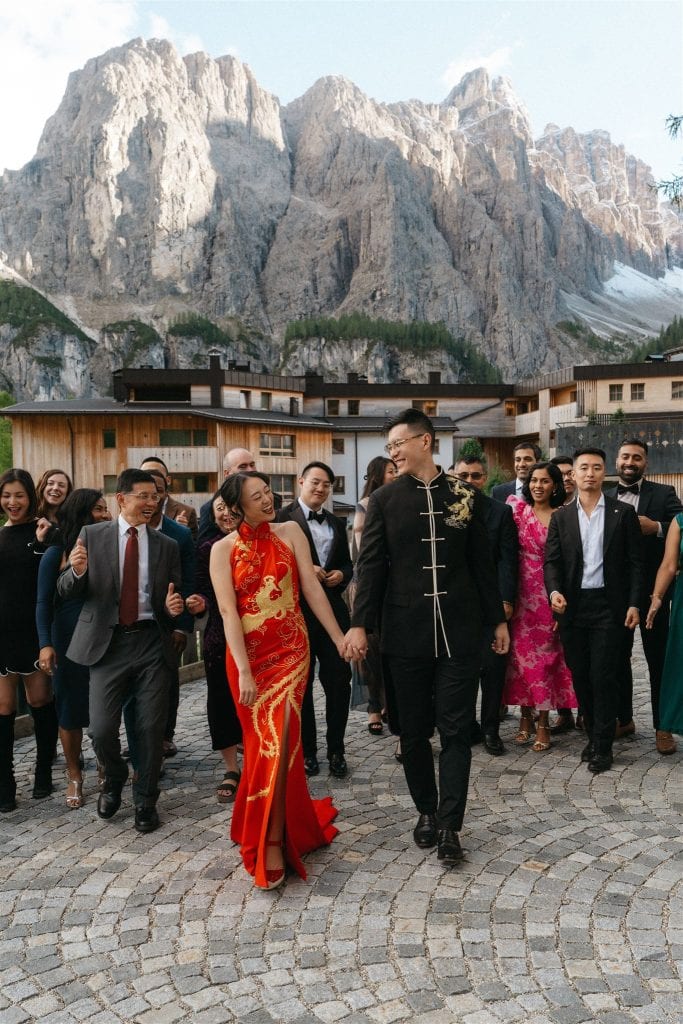
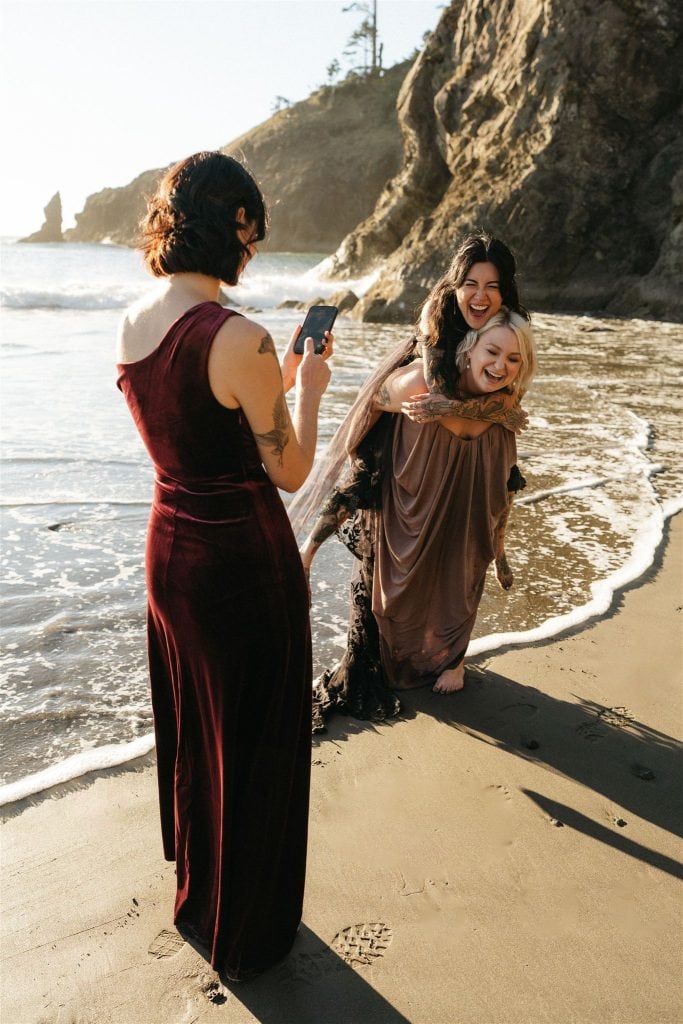
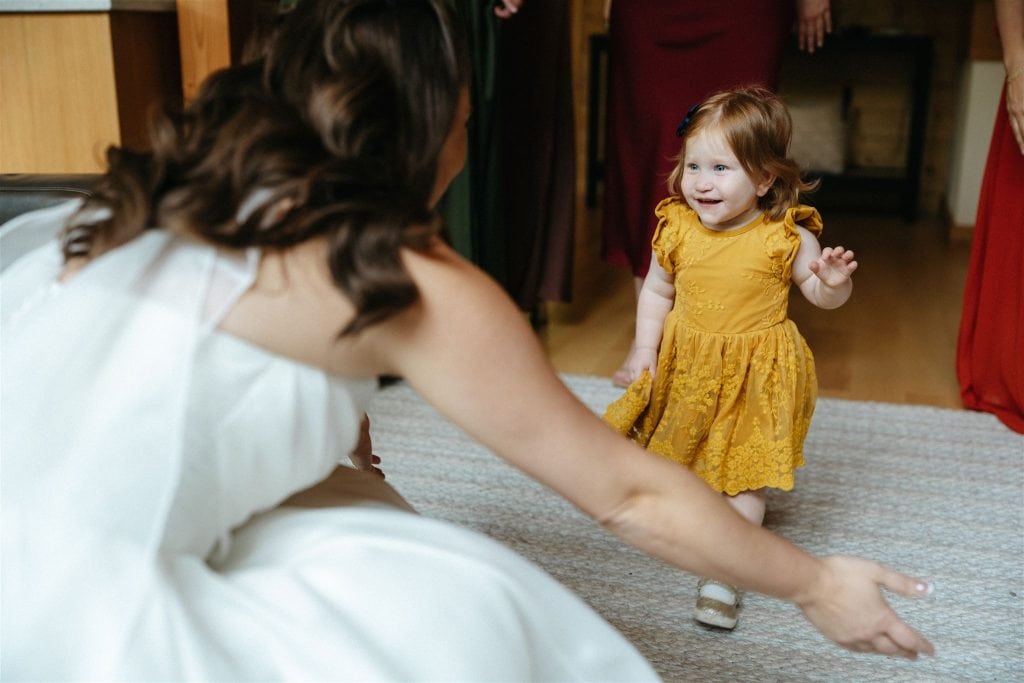
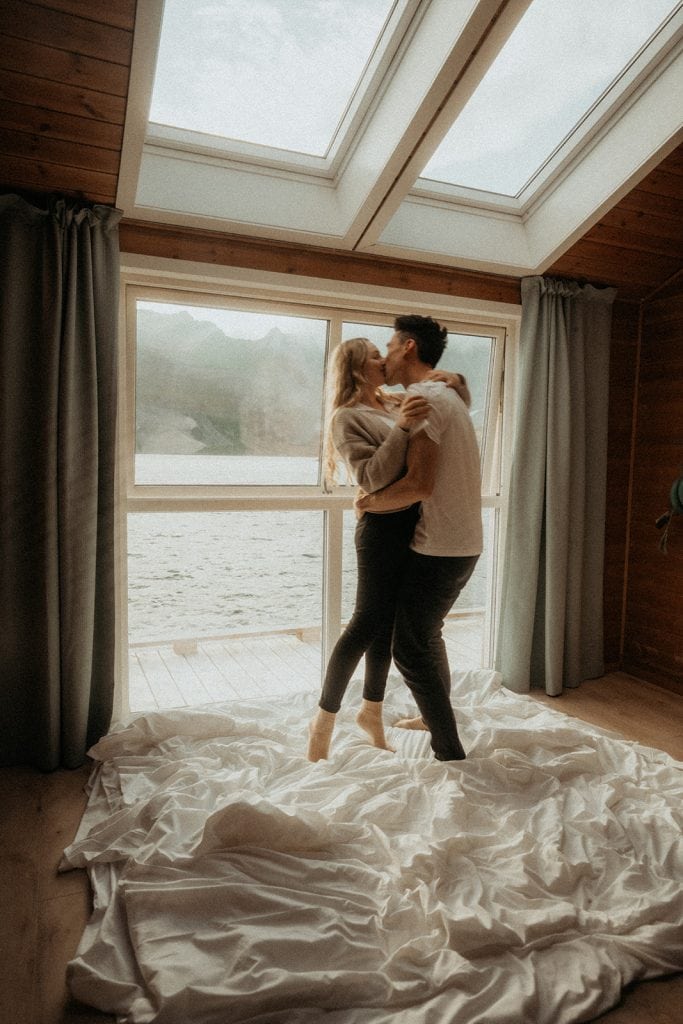
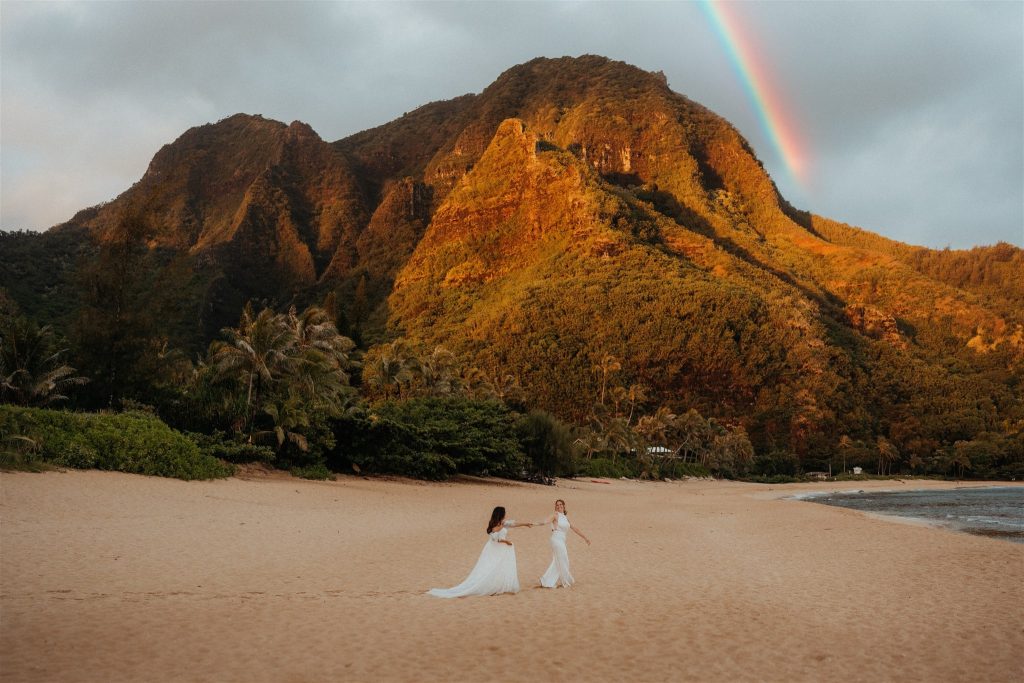
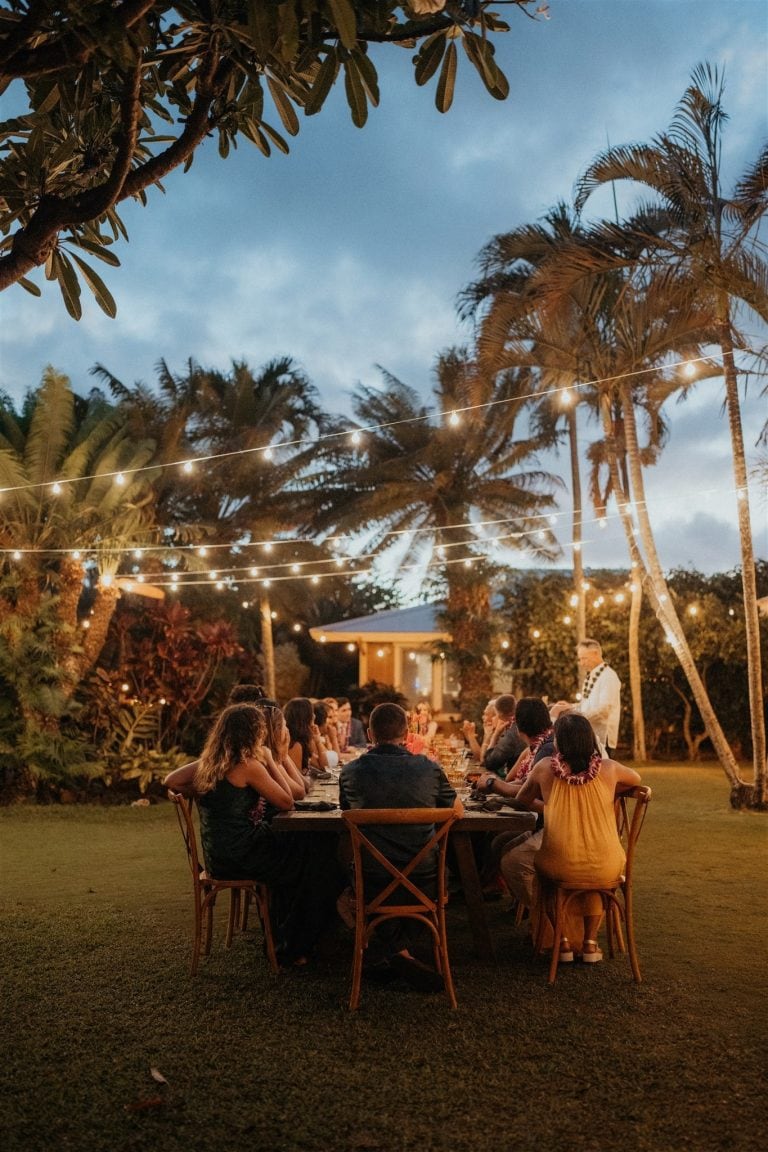
This is what happens when you give yourself permission to be present:
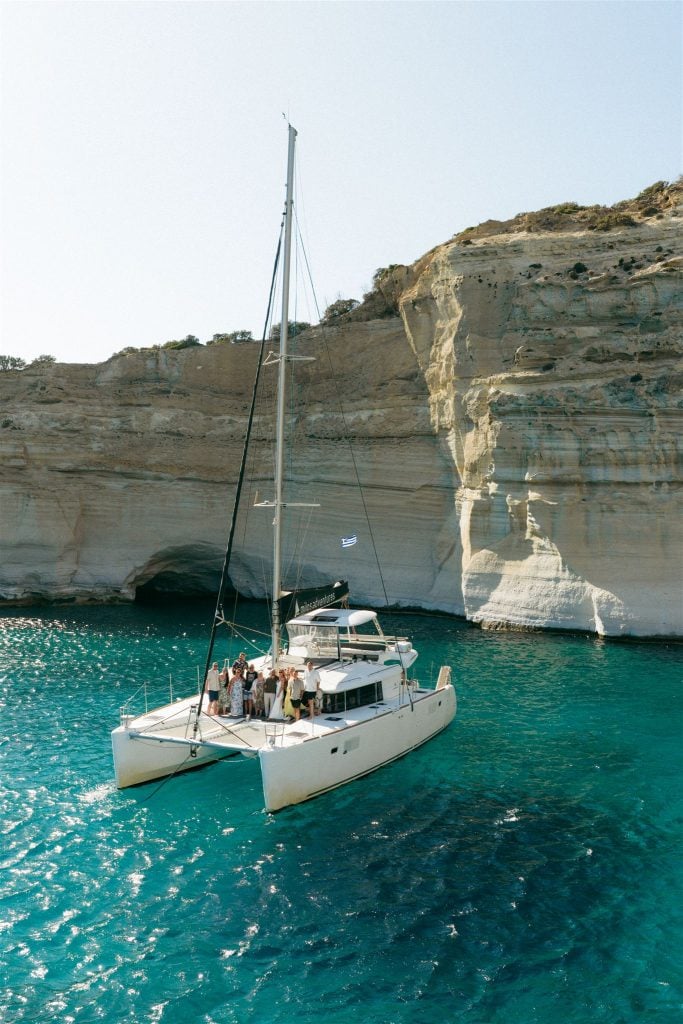
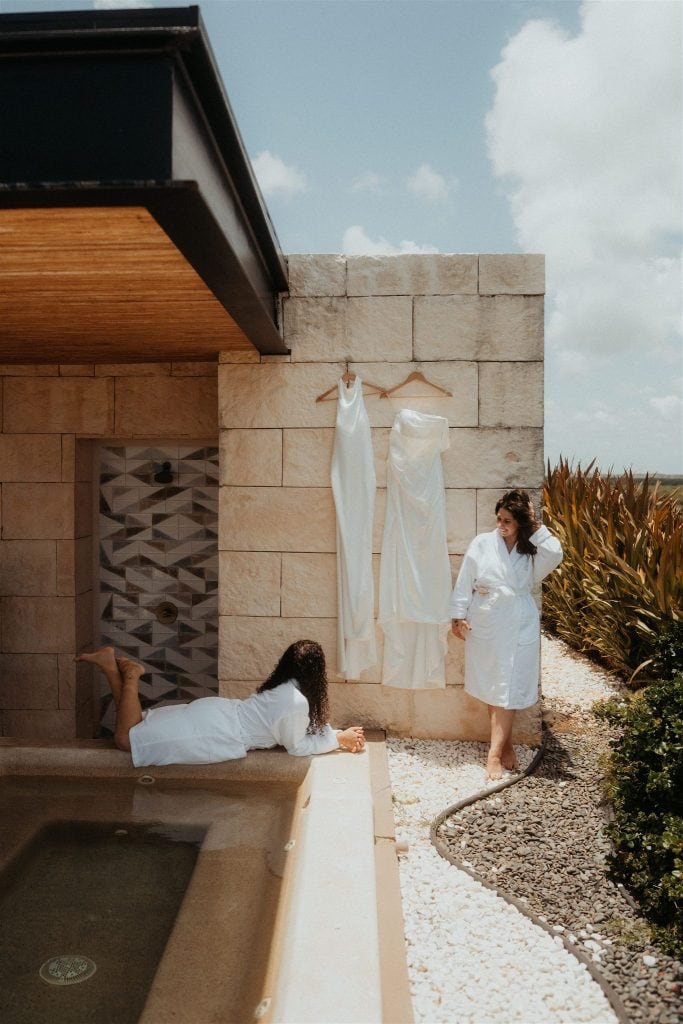
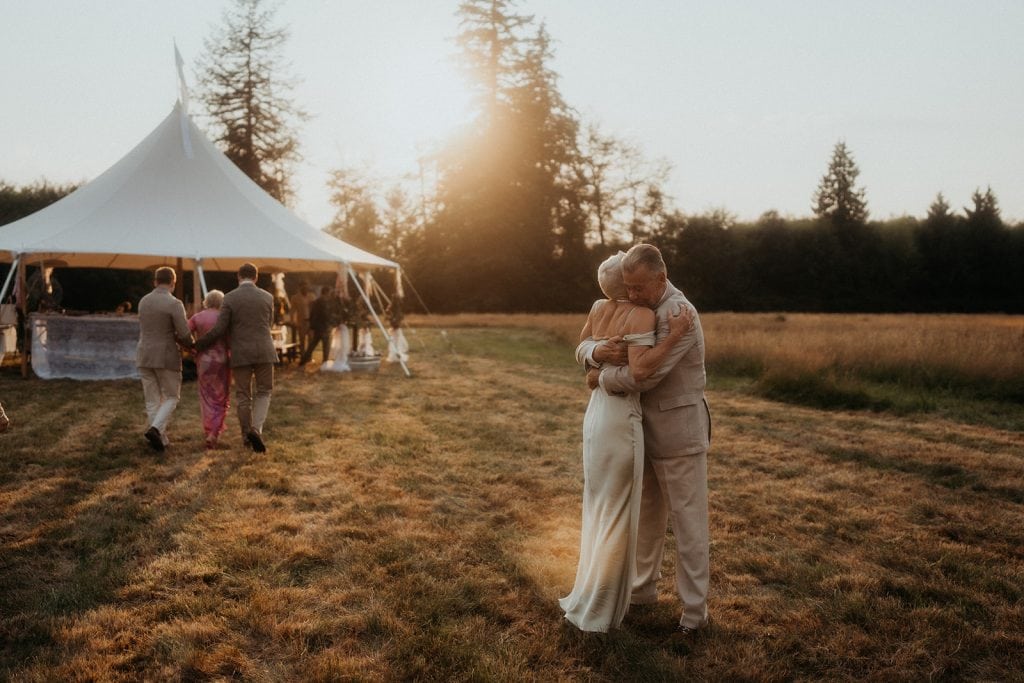
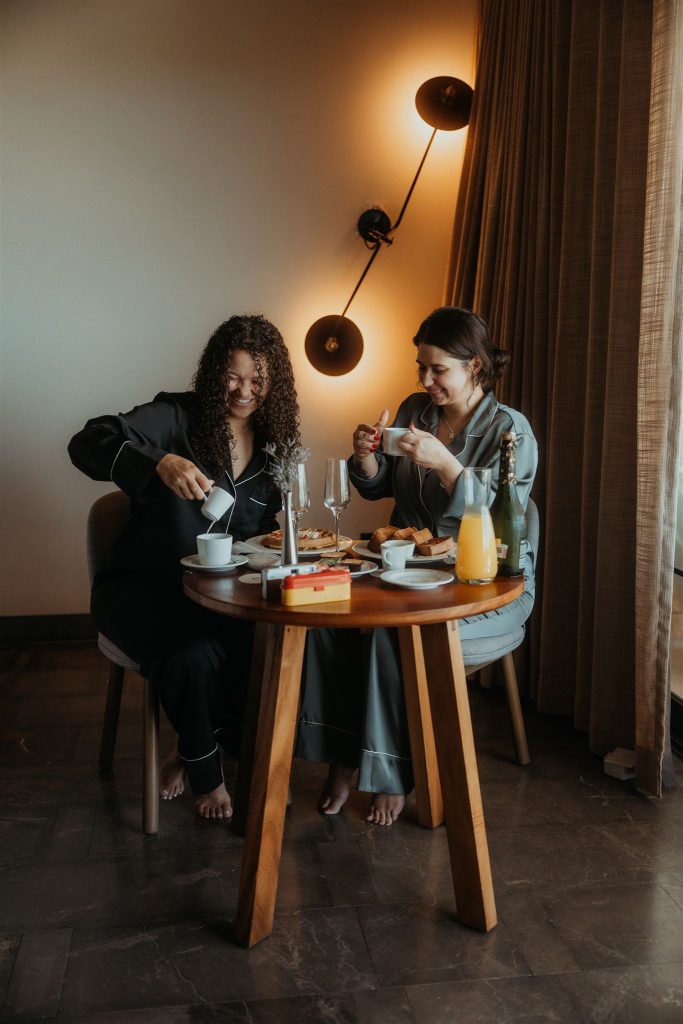
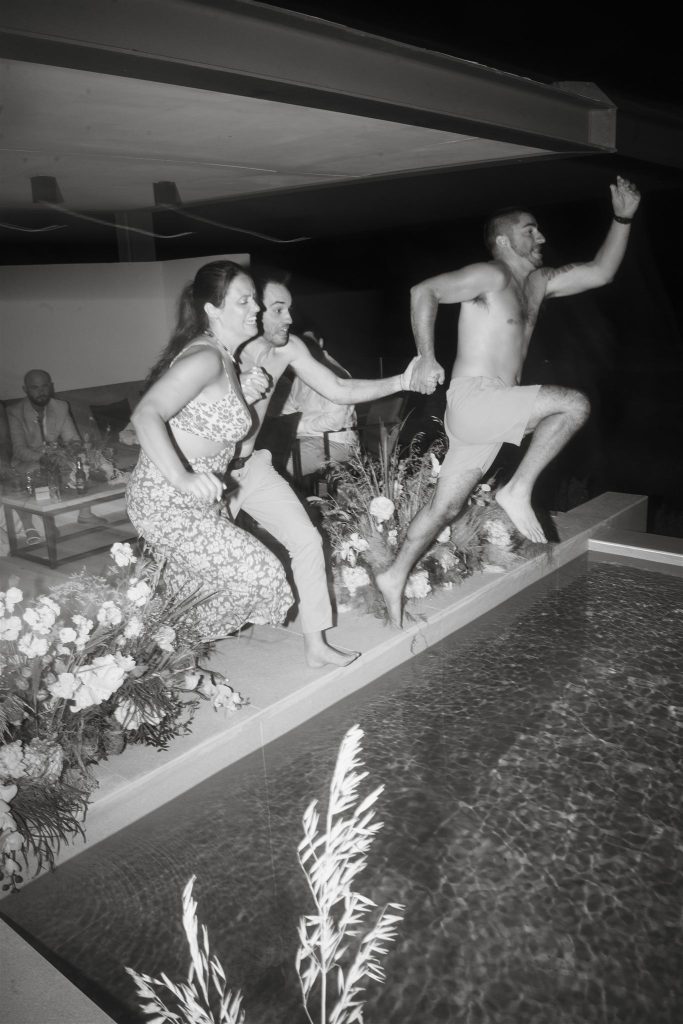
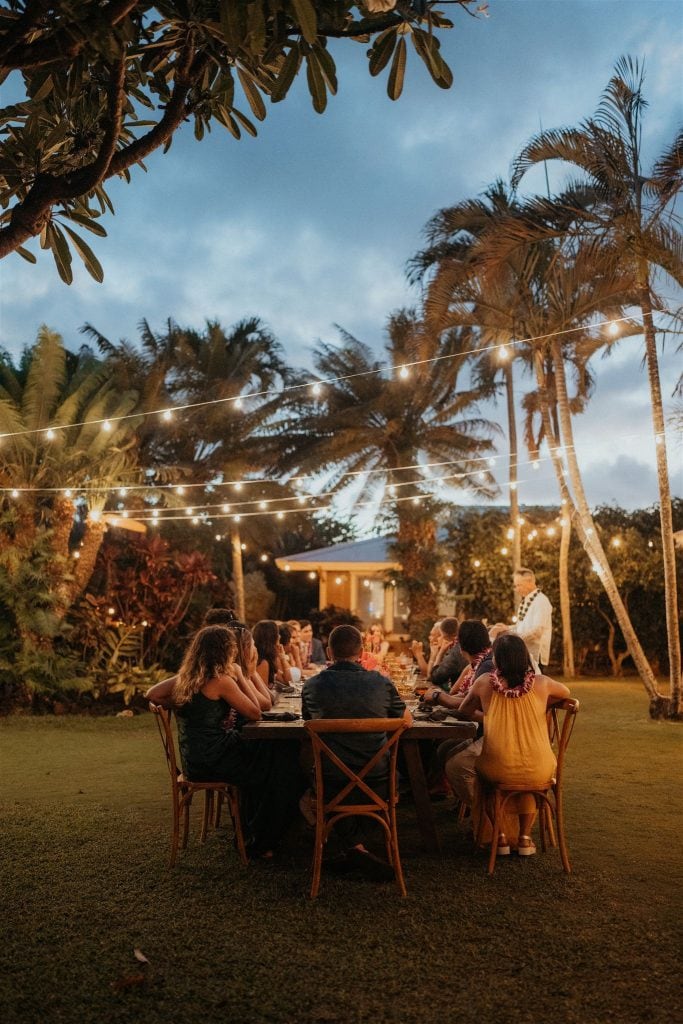
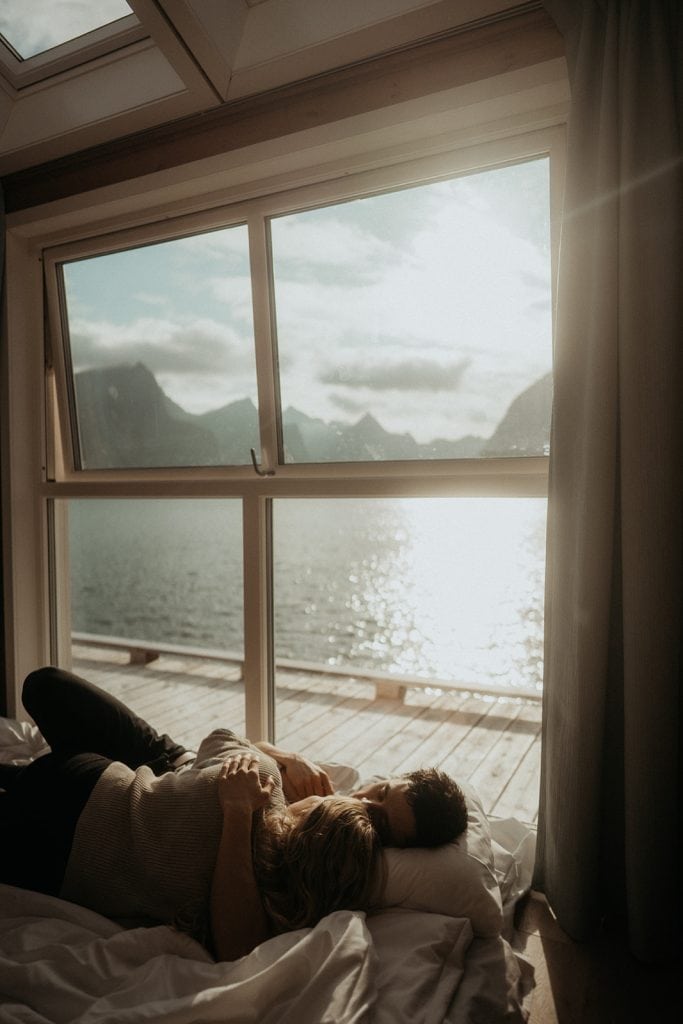
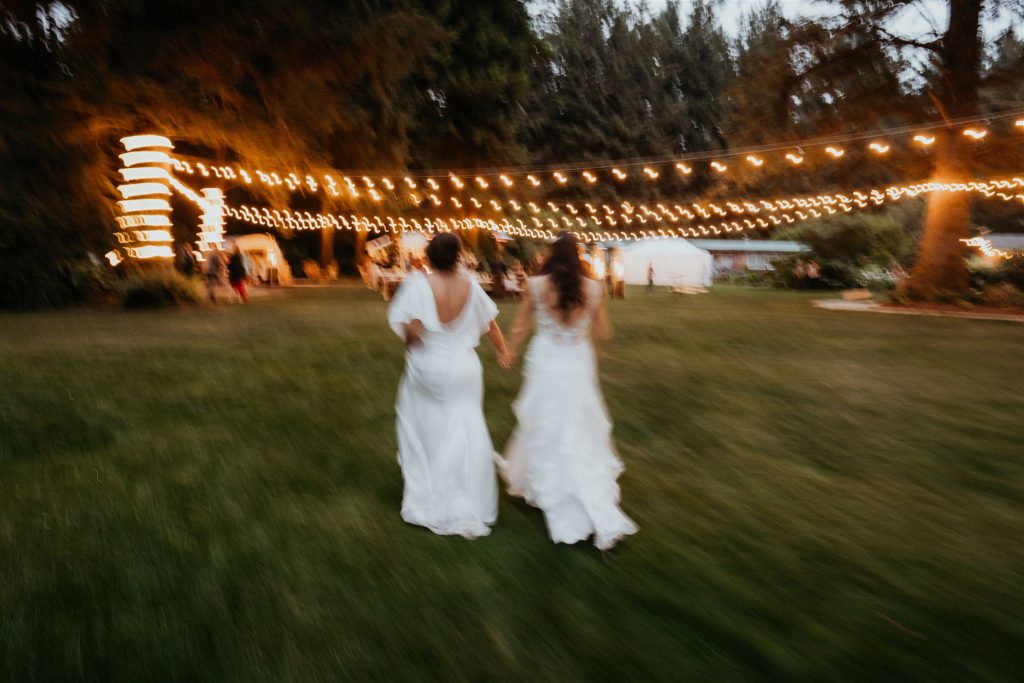
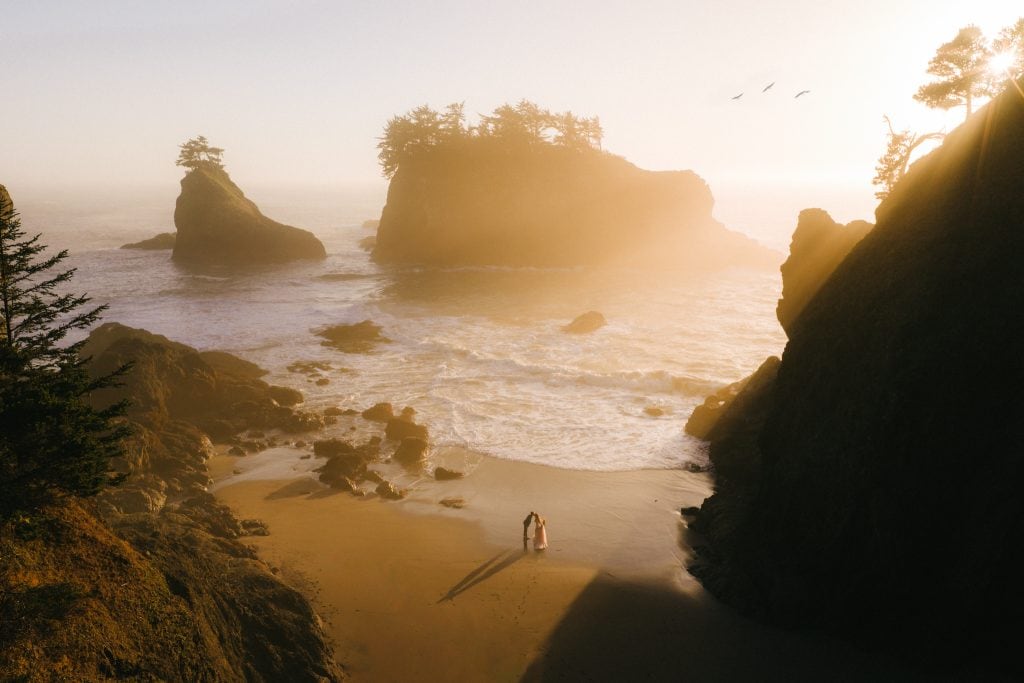
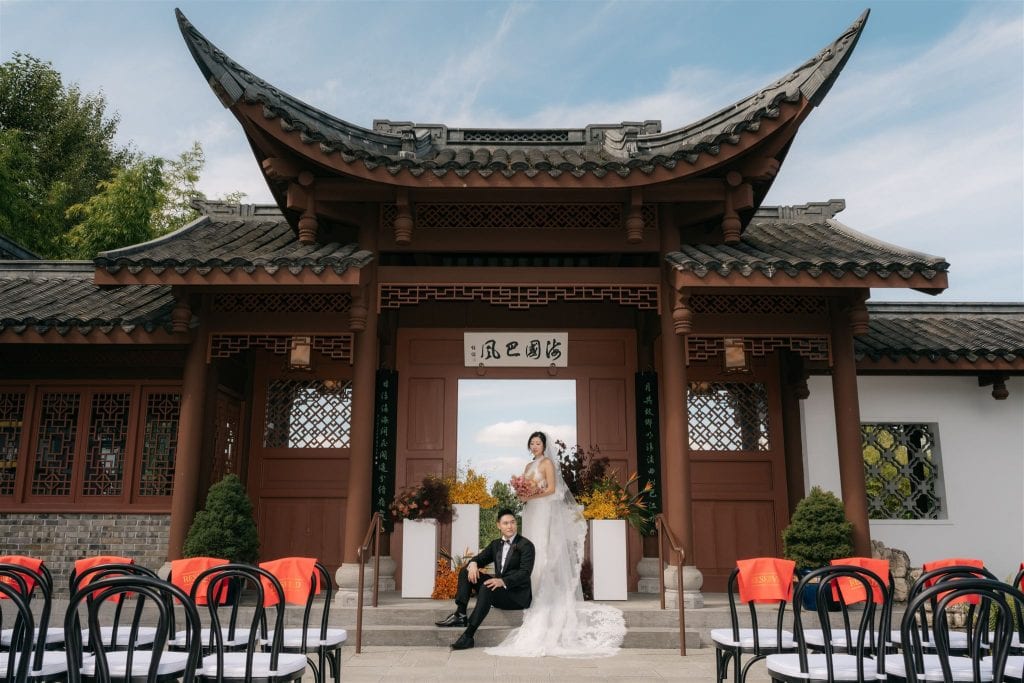
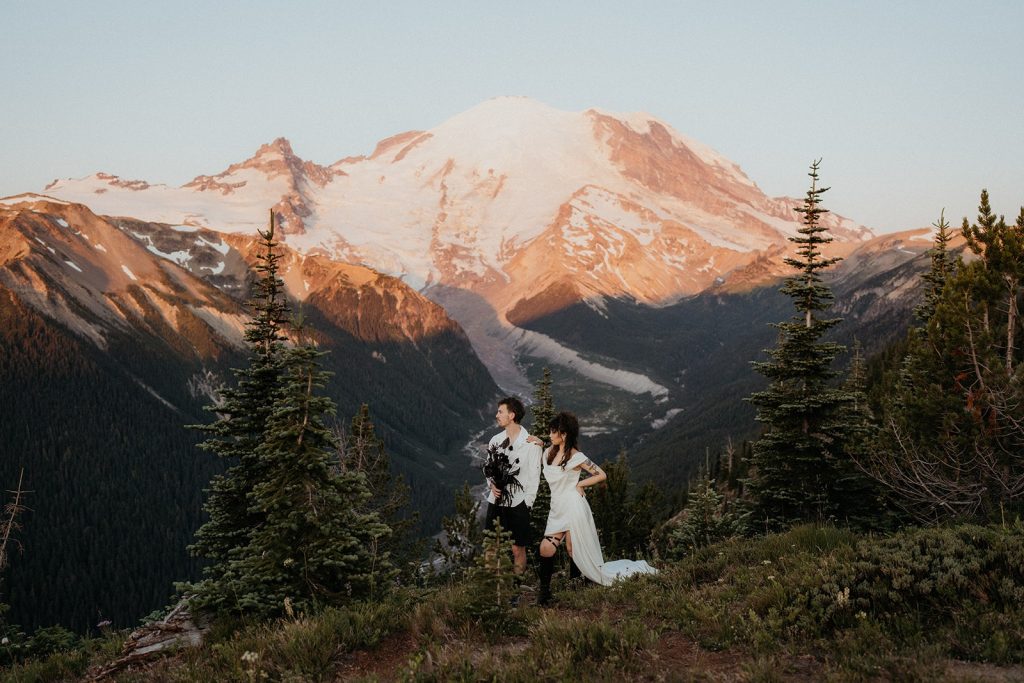
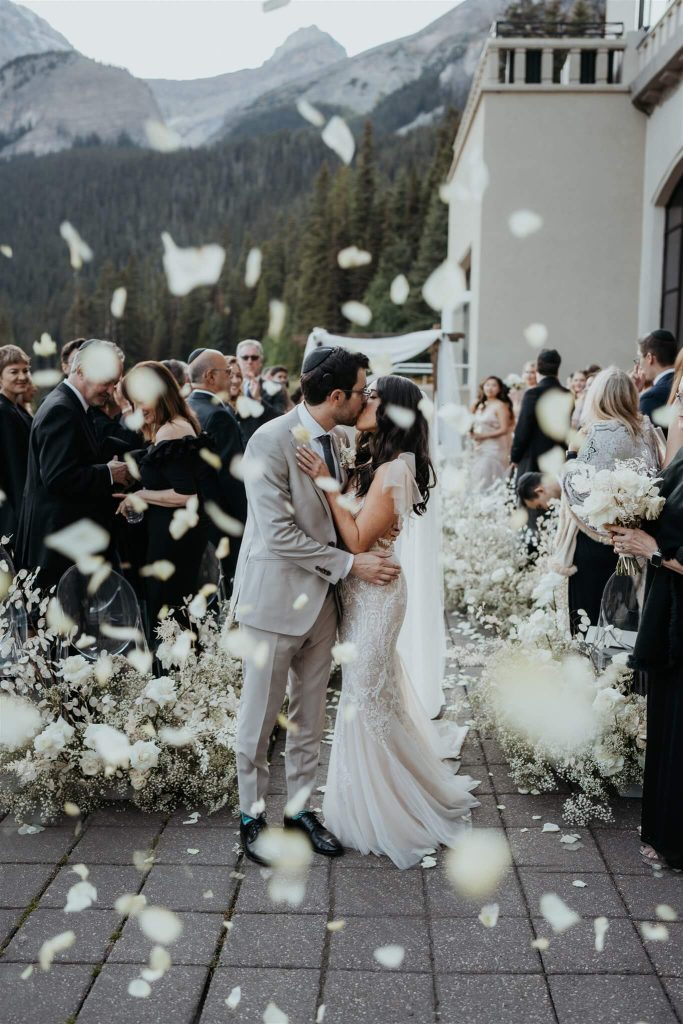
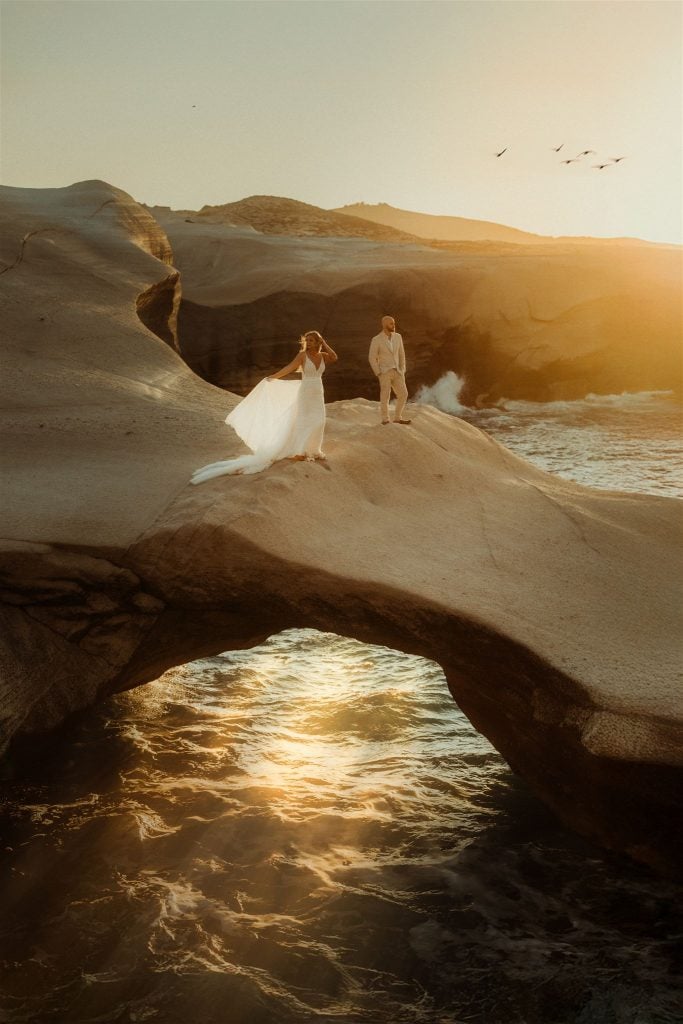
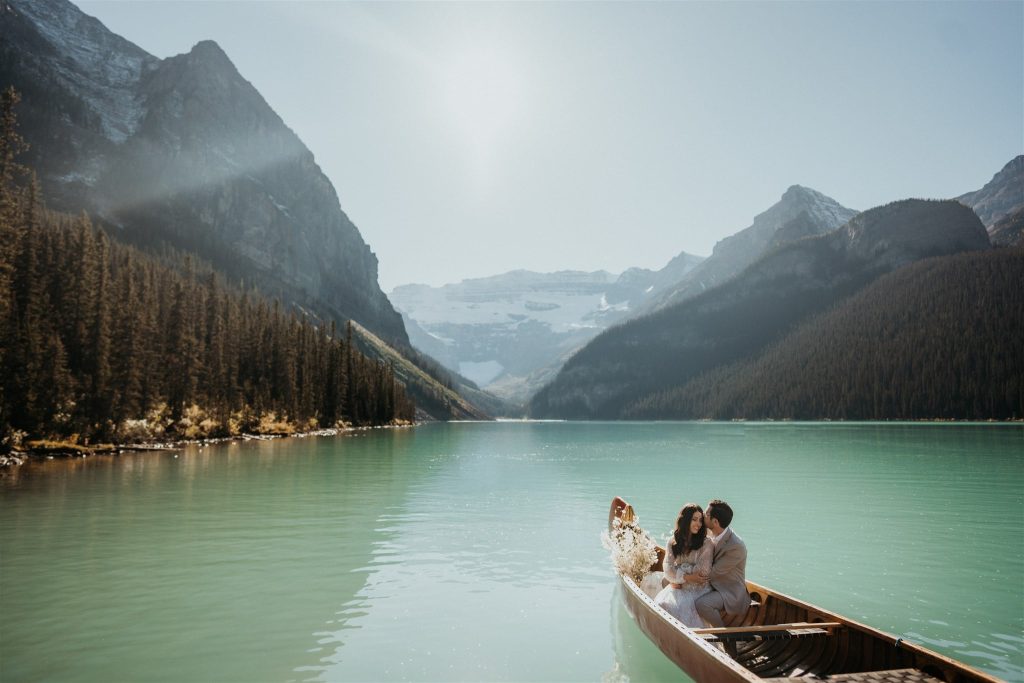
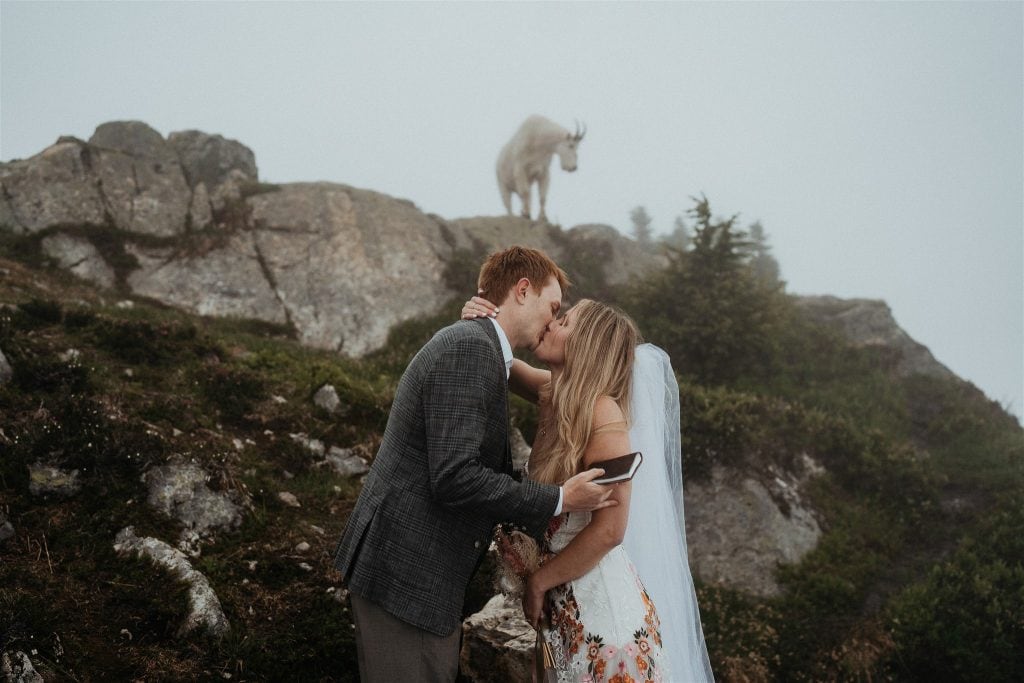
These photographs come from weddings where couples prioritized experience over performance: unstructured time, meaningful details, and space to simply be together
Ready to Plan Your Wedding Photography?
Planning for your experiences first, building in breathing room, and choosing meaningful details are the foundations for wedding photography that documents how your day actually felt, not just how it looked.
And making it work starts with choosing a photographer who supports that vision.
Before your wedding, we’ll talk through what moments matter most to you. Maybe it’s private vows you want to exchange. Maybe it’s your parents’ toast at the reception. Maybe it’s making sure I document your grandparents’ reactions during the ceremony. Knowing your priorities helps me anticipate those moments and photograph them naturally, without disrupting your experience.
On the day itself, I’ll adapt to what you need. Every celebration is different. Some couples want mostly candid coverage with very little posing. Others want more direction and guidance during portraits. Whatever you need, I’m here to support it because there’s no rulebook for how your wedding should unfold. There’s just what feels right to you.
Whether you’re celebrating with 20 people or 200, in a forest or a backyard or a venue, the approach is the same: your experience comes first, and the beautiful photos follow naturally.
Ready to start planning? Learn more about our booking process or contact us to get started.
If you’re still in the early planning stages, these wedding planning questions might help you clarify what kind of celebration feels right for you. And if you want more inspiration, check out real wedding stories to see how other couples created their celebrations.
More Wedding Photography Tips and Inspiration







Meet Your Intimate Wedding & Elopement Photographers
We’re Henry, Sergio, and Nick, the faces behind these honest, meaningful, and artful photographs of couples eloping in the most beautiful places. Since 2018, we’ve photographed more than 200+ intimate weddings and elopements all over the world and on 6 different continents. Our work has been published on Junebug Weddings, Green Wedding Shoes, Brides, Dancing With Her, etc…We’ve won international awards for best wedding photos but what’s most important to us is actually winning our clients’ hearts with our art.
With 15 years of combined photography experience, we’ve learned that the only way to a beautiful wedding experience & photos is through intentionality.
We’re here for you and with you from “let’s do this” to “I do”, one step at a time, each step of the way. We’re in this together
![The Ultimate Yosemite Elopement Guide [Updated for 2026]](https://www.henry-tieu.com/wp-content/uploads/2023/10/yosemite-elopement-henry-tieu-photography-196_websize-min-768x512.jpg)


![How to Plan Your Wedding and Get Married During the Coronavirus Pandemic [Micro-Wedding & Elopement Guide]](https://www.henry-tieu.com/wp-content/uploads/2024/05/how-to-get-married-during-covid-10-pandemic-2-768x512.jpg)
