

Should you include film in your wedding? And what’s actually the difference between digital and film wedding photography?
The short answer is that while both digital and film help tell your story, they aren’t trying to do the same thing. Digital helps me document your wedding with precision and makes sure all the most important moments get photographed, while film invites me to slow down and see certain moments a little differently. One allows me to preserve what happened and the other creates space for interpreting the feelings and emotions you’re experiencing a little differently.
Recently, I’ve started including more film photography throughout my wedding and elopement work. But for me, it was never about adding a handful of nostalgic photos into a gallery. It was another way of seeing a wedding day altogether.
There are moments in every wedding where I stop focusing primarily on documentation and start focusing on feeling.
A hand tightening slightly. A deep breath before the vows. The way a grandparent watches their grandchild when they think no one else is paying attention.
It’s moments like these that are the ones I find myself returning to long after the day is over, not because they were planned or staged, but because they happened when people forgot they’re being photographed.
A wedding is never just one person’s memory. It is your experience, but also the way it is witnessed by everyone around you. And photography sits somewhere in between those perspectives, translating what it felt like to be there into something you can return to later.
That is why I don’t believe a wedding should be viewed in only one way. And that is also why I’ve started documenting more film wedding photography.
But today, I’m not going to tell you whether film is better than digital, or whether you should hire one type of photographer over the other. Instead, I want to share with you how I see a wedding day through both forms of photos.
My hope is that, by the end of this article, you don’t just understand what film and digital do differently, but that you also see and feel how both can be used to tell the same story. I hope you walk away with a sense of what it feels like to have your wedding seen in more than one way at once. Not documented just so you can remember what you did, but layered in a way that reflects how the day actually felt while you were living it.
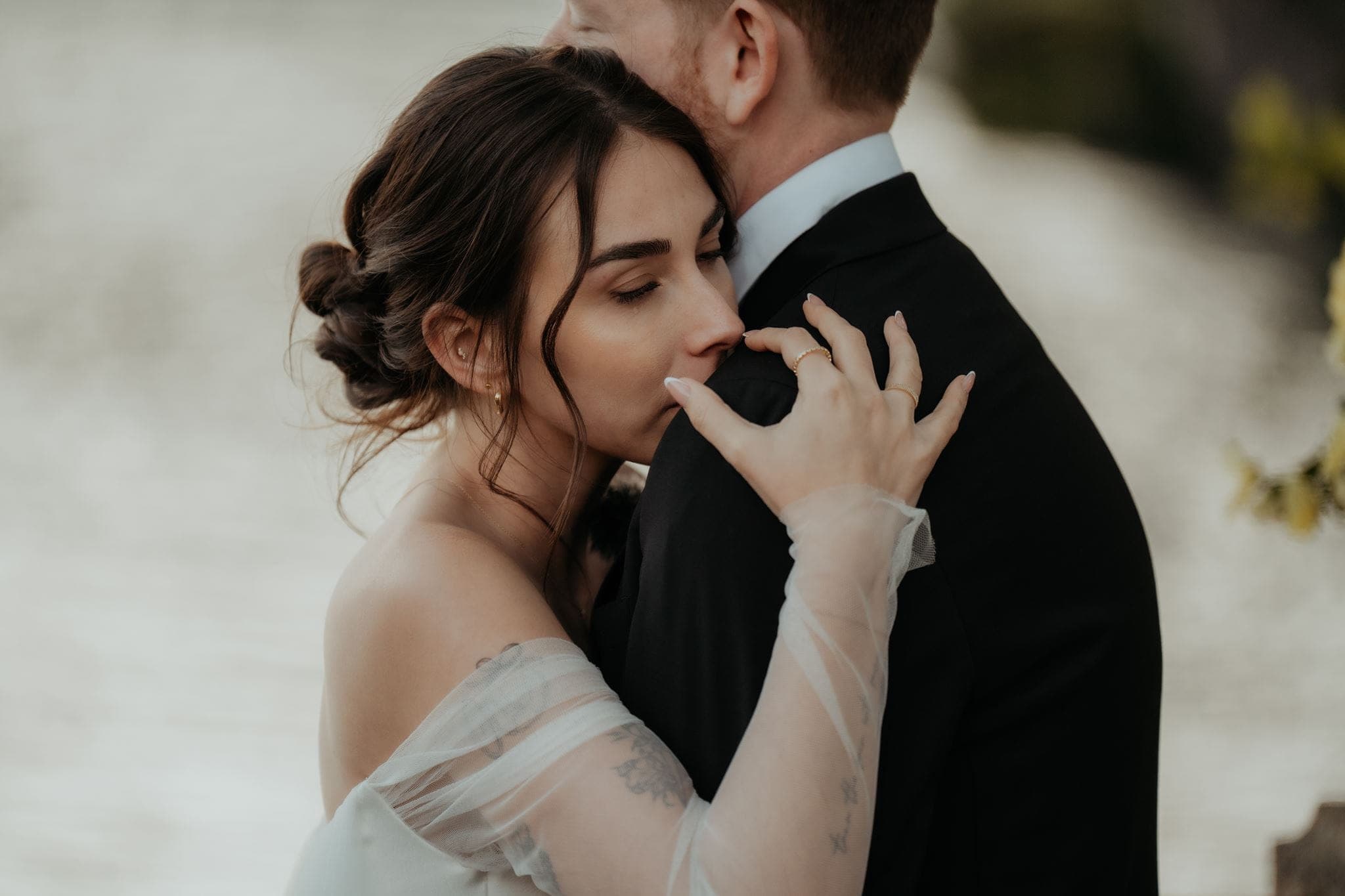
Film vs Digital Wedding Photography: How Each Plays a Part in Telling Your Story
As an elopement and wedding photographer, every wedding I photograph begins with digital photography. This isn’t just a preference; it’s the foundation of my work and the primary way I tell each couple’s story.
Digital Wedding Photography
Wedding days move quickly and rarely do two moments ever repeat themselves. This is why I primarily work with digital. Digital photography is precise and consistent. It allows me to work quickly while also giving me full control over the final product during the editing phase.
For you, this means you don’t have to think about the camera at all. The moments that matter most (your vows, your family’s reactions, the chaos and calm of the day) are documented without interruption, so you can stay fully in the present moment.
Film Wedding Photography
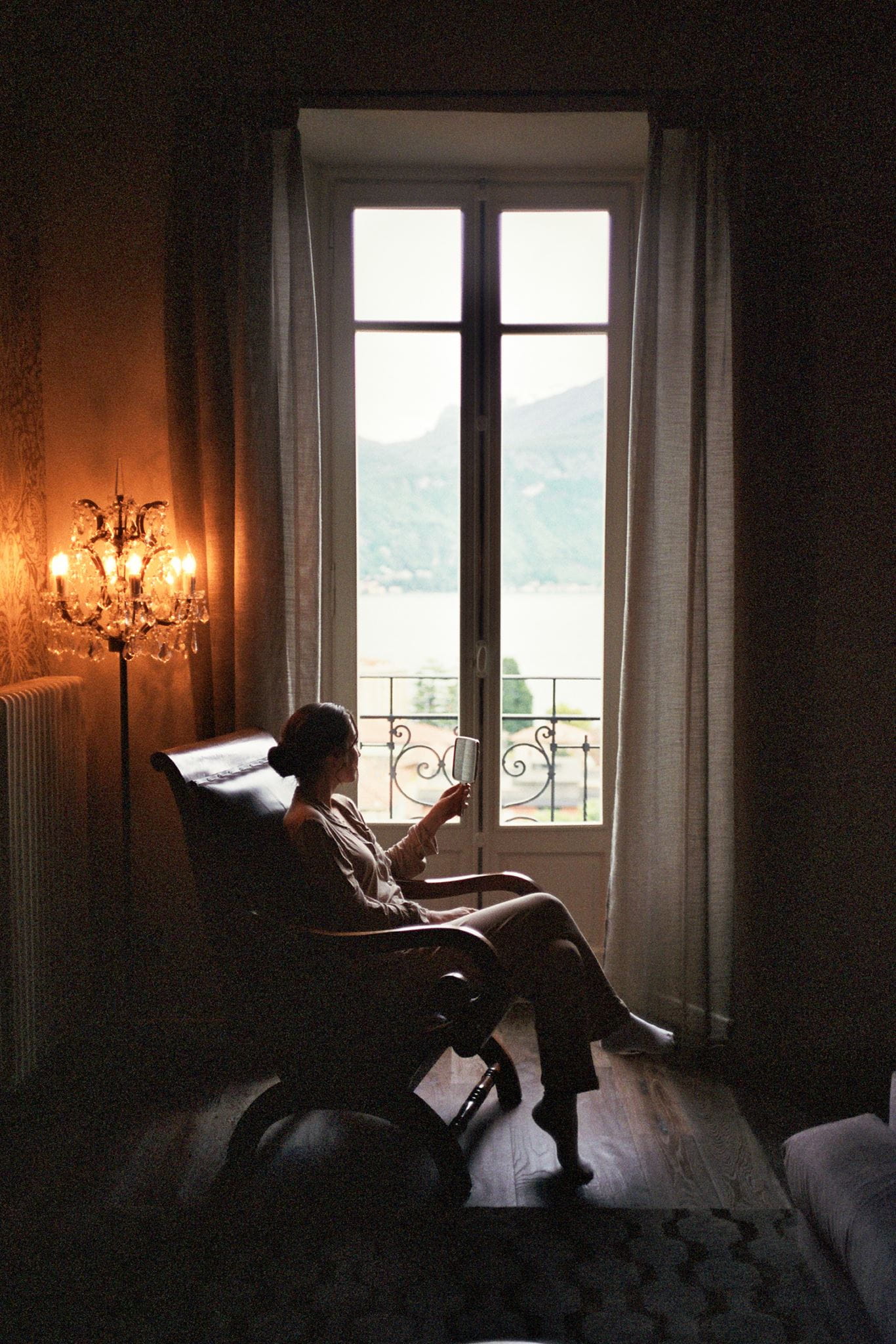
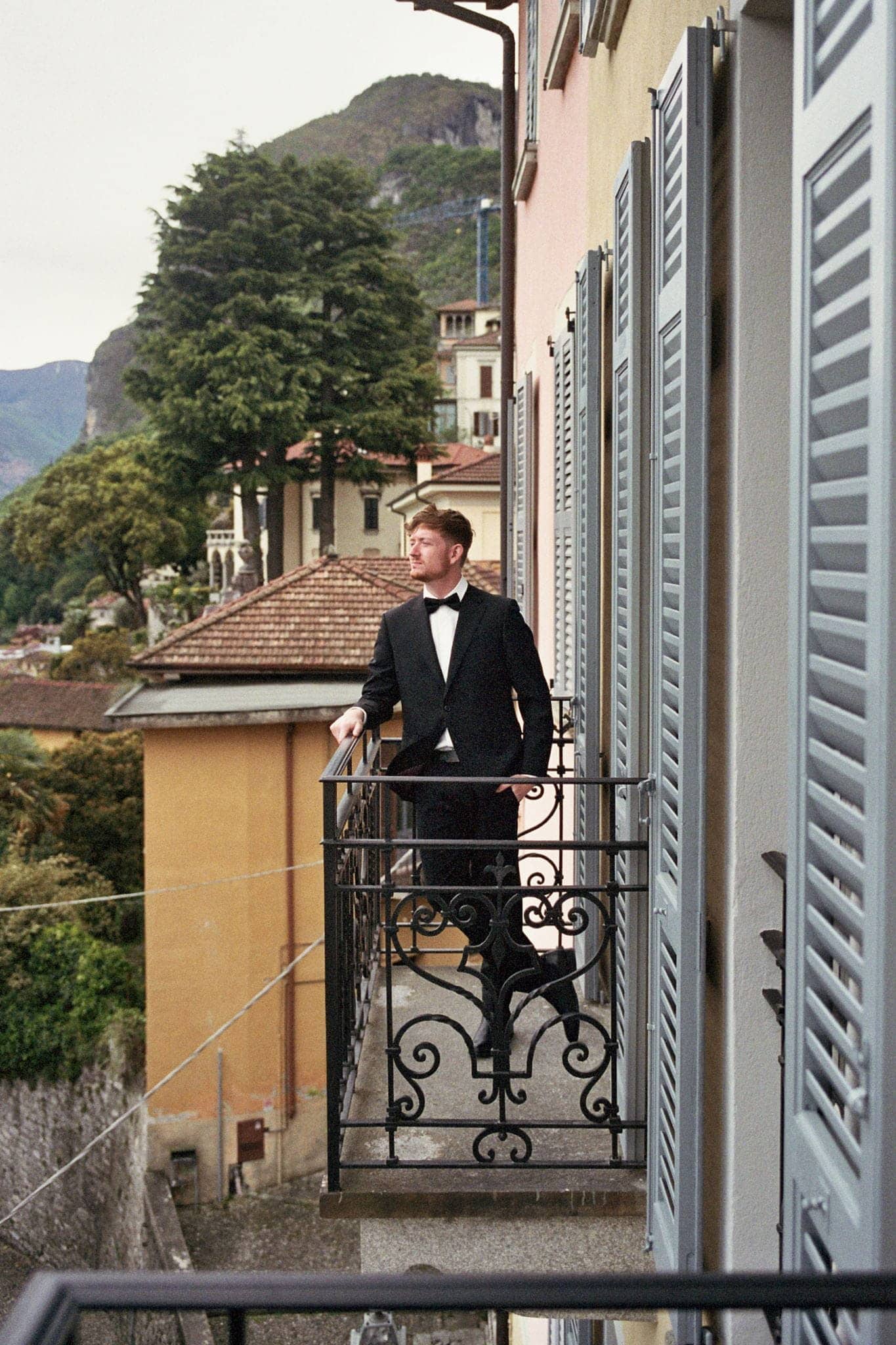
Film photography is another form of storytelling altogether. It does not offer the same immediacy or certainty that digital photos do. Film slows everything down just enough that I become more aware of what moments I’m choosing to keep. It doesn’t move fast with the day, but instead asks me to observe with more intention. And because there is no screen to review, I simply take a frame and trust it.
For couples, this often shows up in how the rhythm of the day feels. In those moments where there is a little more space, a little less urgency, and you are fully experiencing the moment, I step back slightly and let it unfold. In the final gallery, that often looks like images that feel like they were intentionally chosen, rather than simply photographed.
And, truthfully, I find this process to be very beautiful because so much of life works the same way. We don’t always get to review things as they happen. We simply live the moments as best we can, and see how they take shape later.
If you’re curious about how to design your wedding day around how it feels, and not just how it looks, I go deeper into that here: Plan Your Wedding for Moments, Not Just Photos
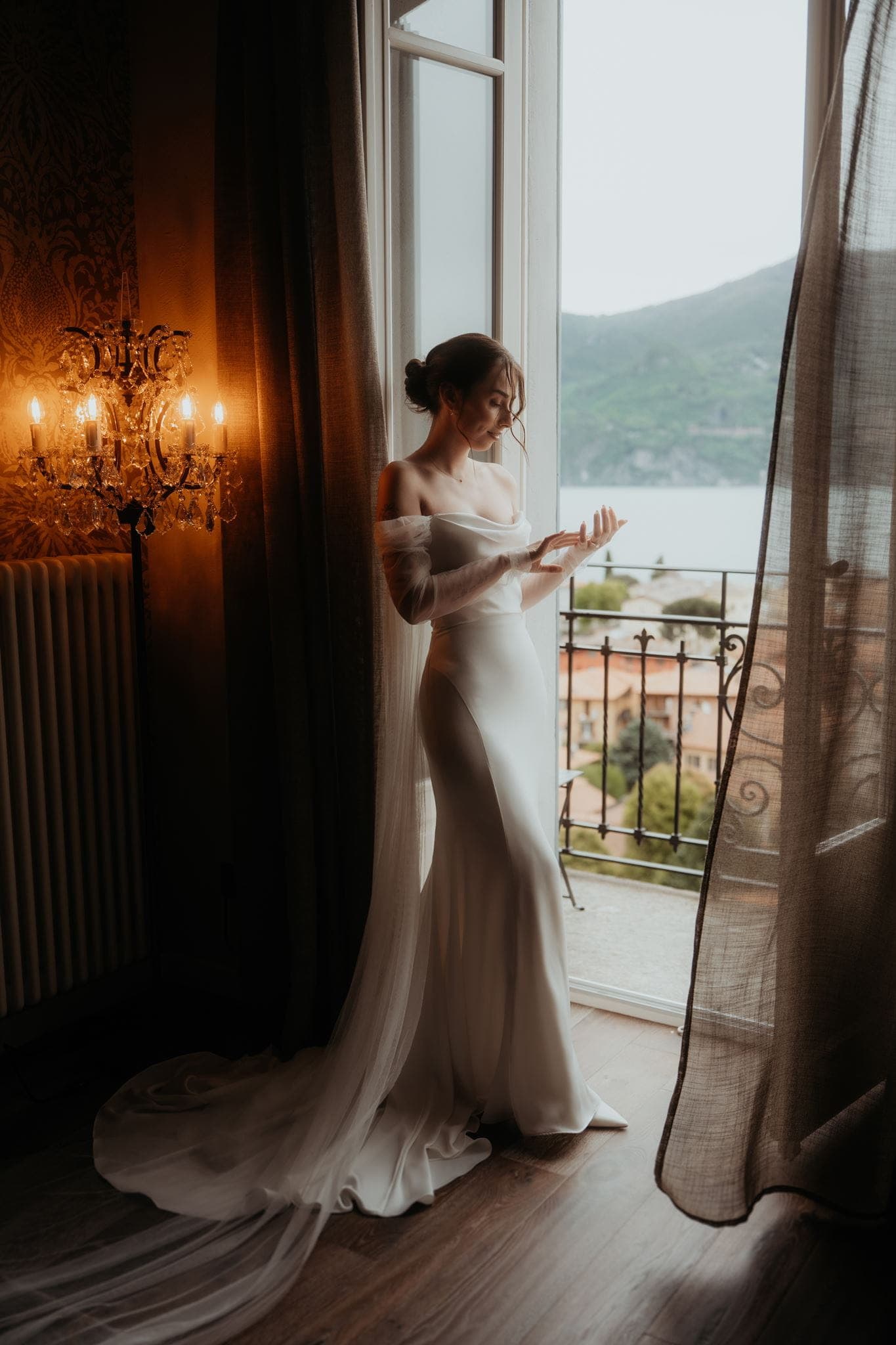
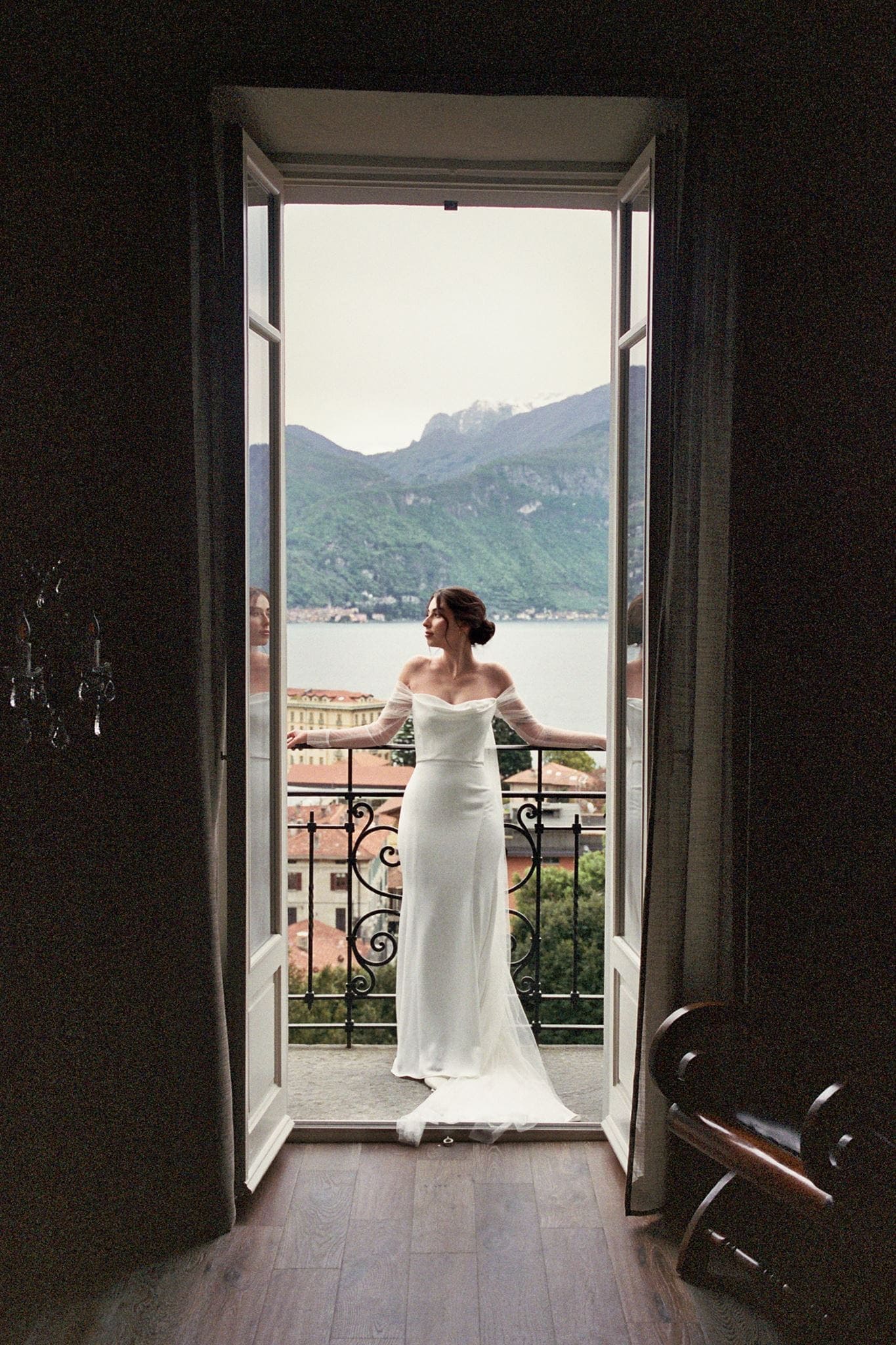
When to Incorporate Film Wedding Photography (& When Not To)
Right now, most of my film work is photographed on both 35mm and medium format (120), depending on how I want a moment to feel. I most often work with Kodak film stocks because I love the way they respond to light and render color, but for me, the camera and film are never the main point, they are simply tools I use to tell a story.
When I photograph a couple, I start with digital during the moments that typically have the most structure. This most often includes a first look, traveling between locations, the ceremony, and the natural flow of the day as it unfolds.
Then, as I notice things start to settle, or the people around me slow down, I look for ways to include film. This is usually when the energy of the day shifts for you too. It’s not always in a noticeable or structured way, but things often start to feel less about what is being “covered” and more about what is simply being experienced.
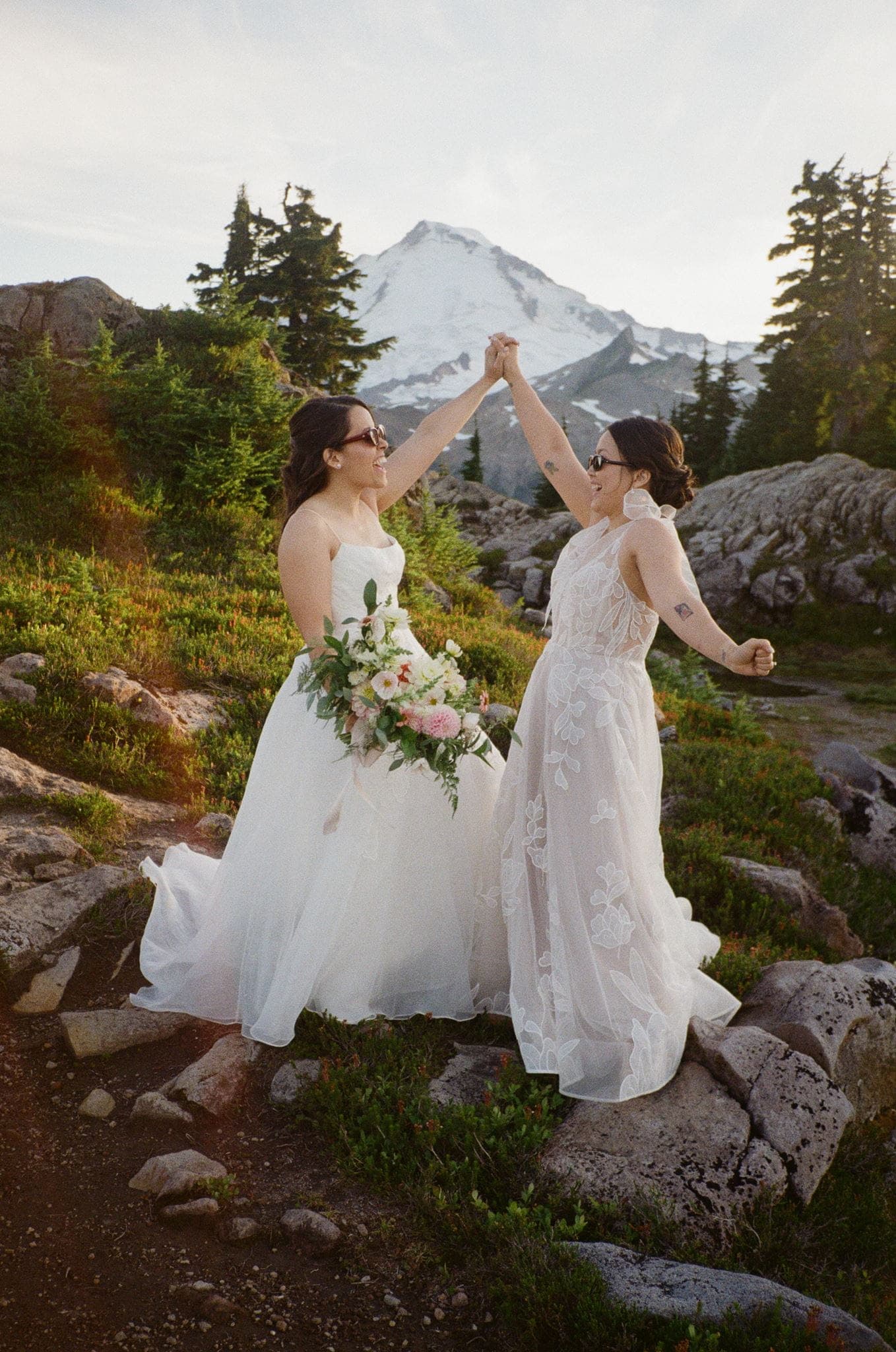
My film wedding photography usually enters during these moments. Oftentimes it’s during portraits, cocktail hours, or the in-between moments that don’t require as much urgency. It could be the moment after your guests’ laughter fades during speeches. The happy dance with your partner after the ceremony on a mountain trail. Or the shift in energy as the sun goes down during your first dance.
These are moments where things are still happening, but they don’t need to be directed in the same way. There is a little more space to simply observe.
Film is not something you add on or choose separately. It is simply one of the ways I respond to the emotional flow of a wedding day.
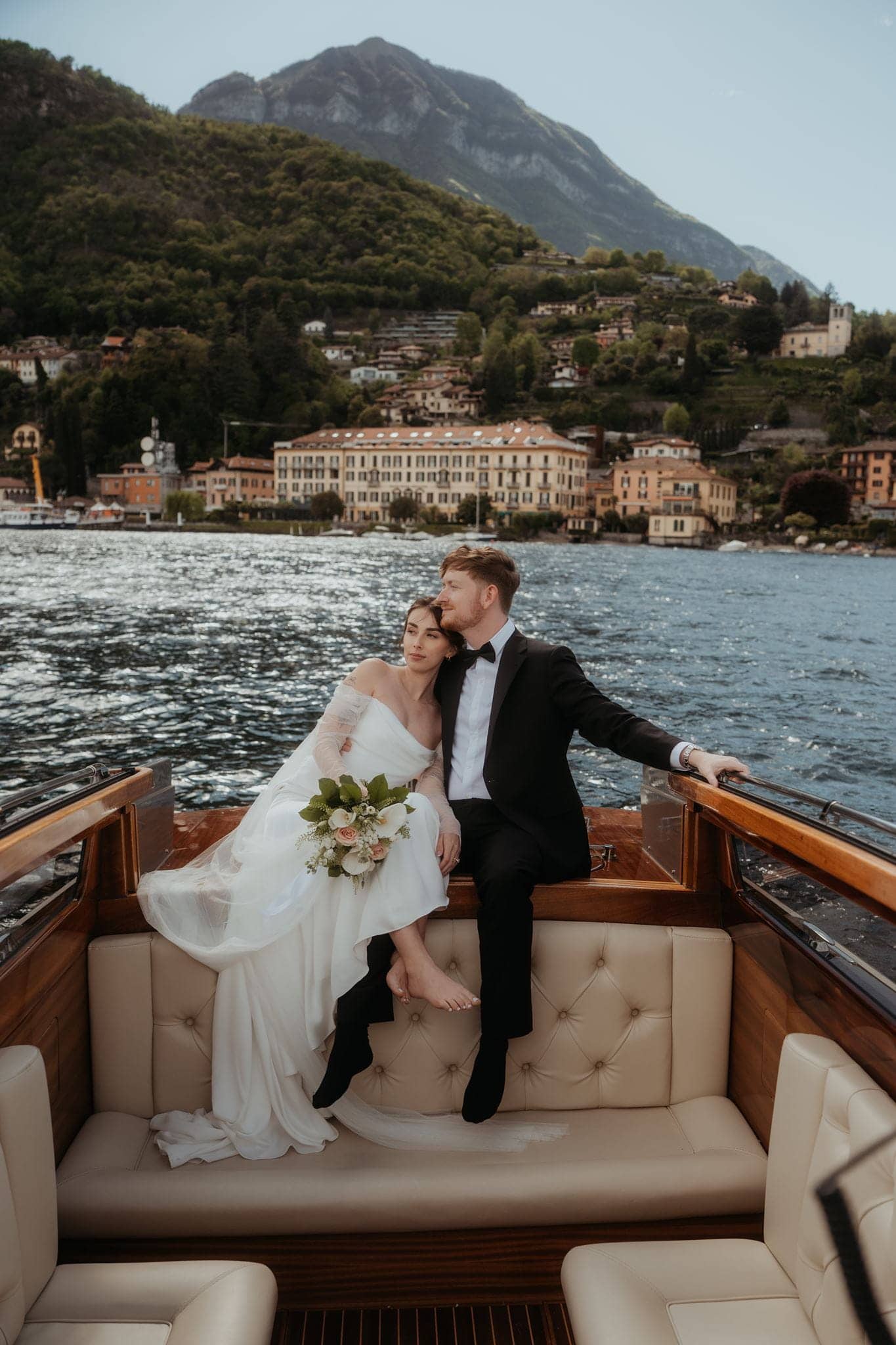
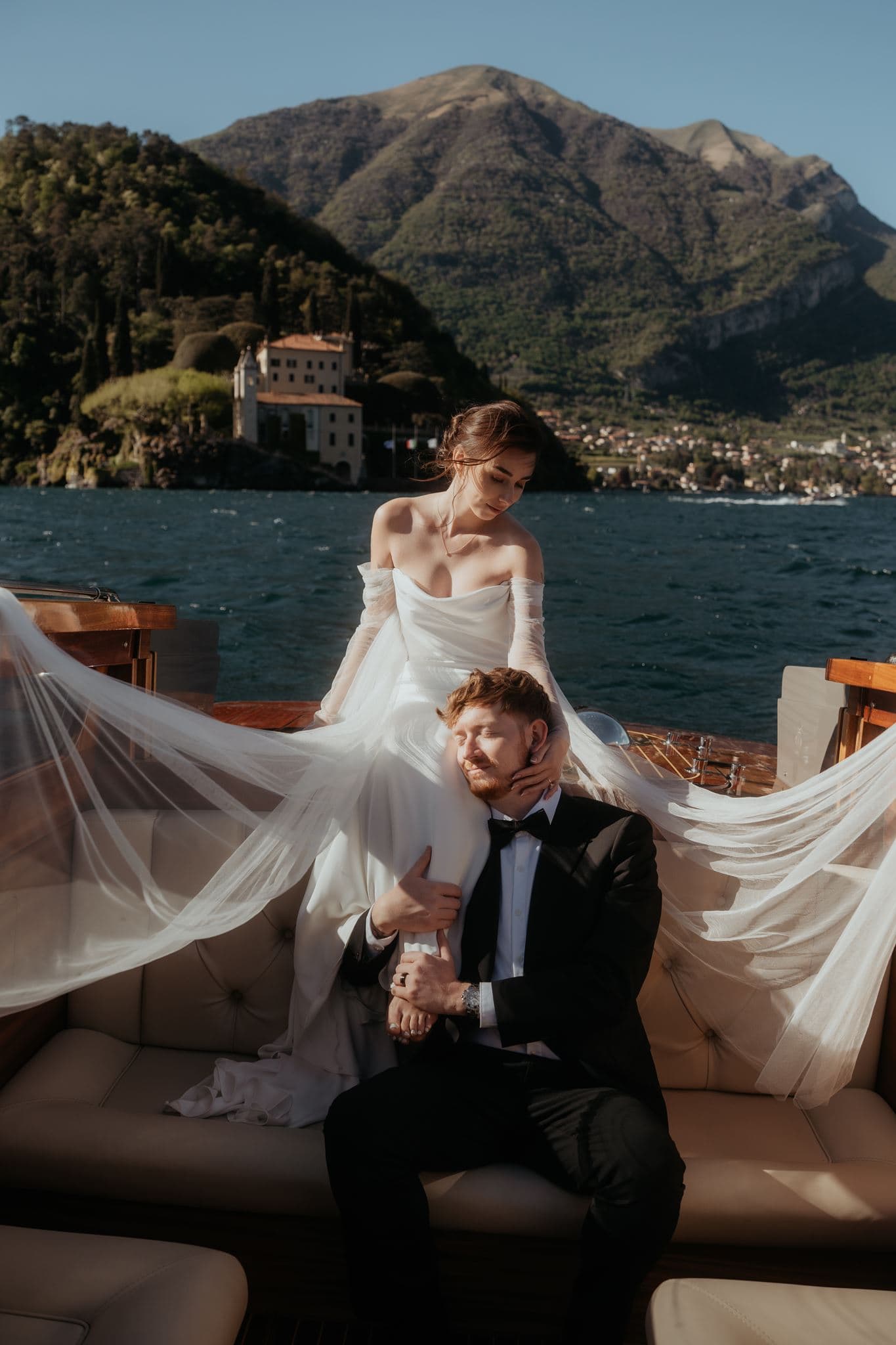
What Film Photos Add to Your Wedding Gallery
For my approach, film is not meant to replace digital photography. I don’t just use film to repeat what I’ve already captured. I use it to tell your story with more variation. Some images in your wedding gallery feel direct and grounding, while others feel softer, or more reflective.
The same moment can hold two completely different emotional weights depending on how it is seen.
Digital tends to feel direct and present, whereas film feels more observational. And when both exist in the same gallery, your story starts to feel more layered.
Neither is more important than the other, but when they are placed together intentionally, they begin to reflect something closer to how your wedding actually felt.
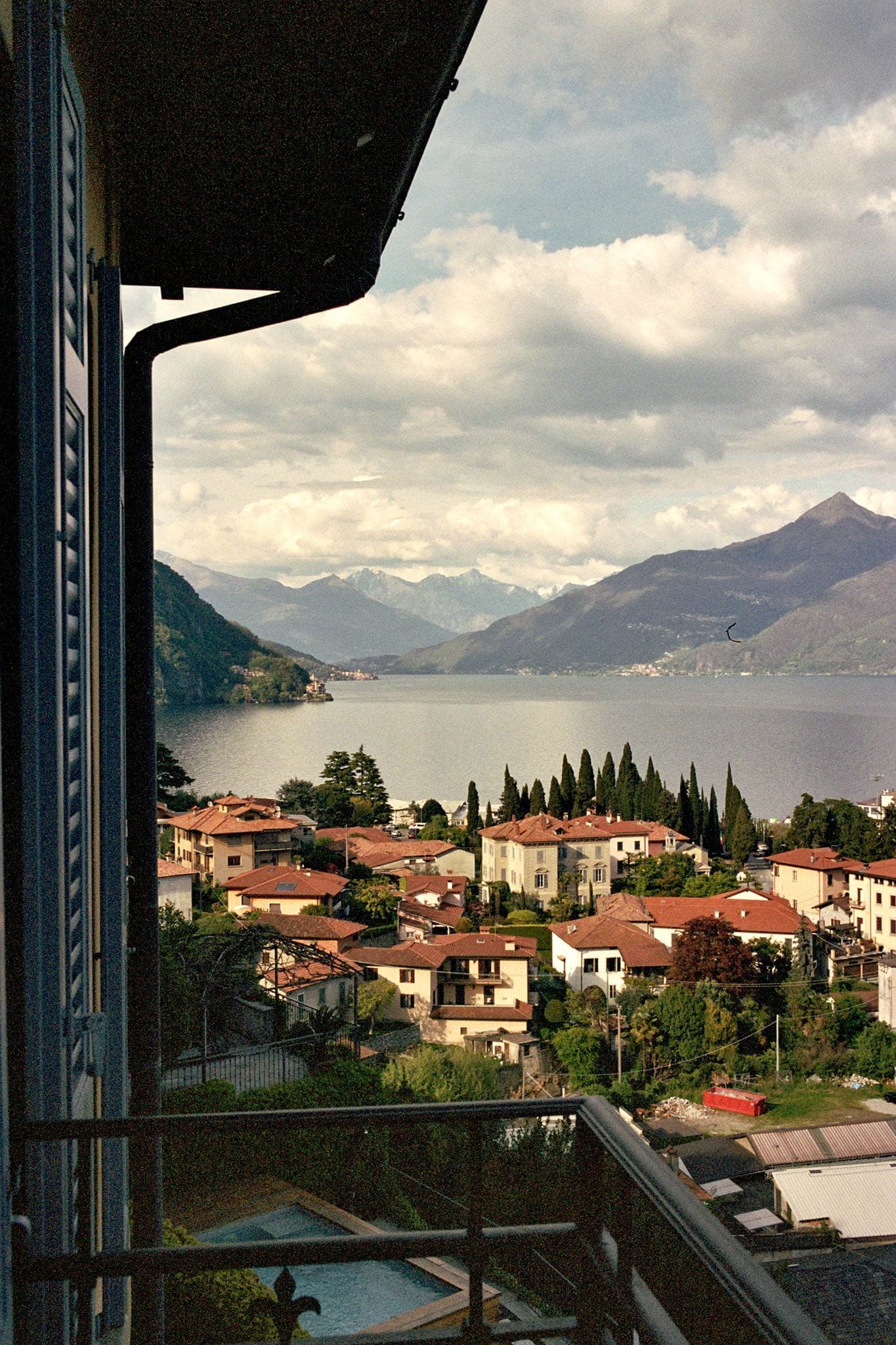
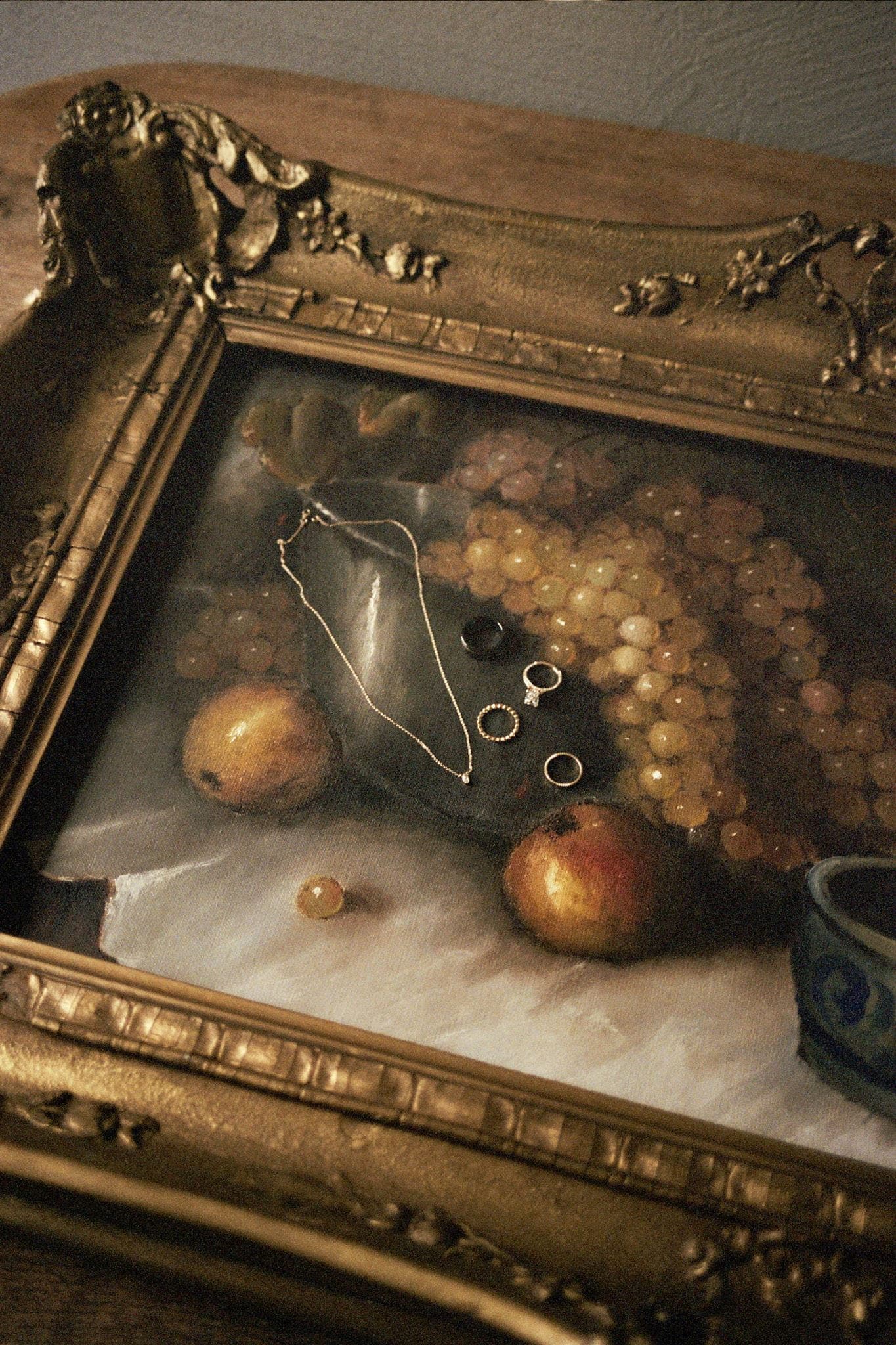
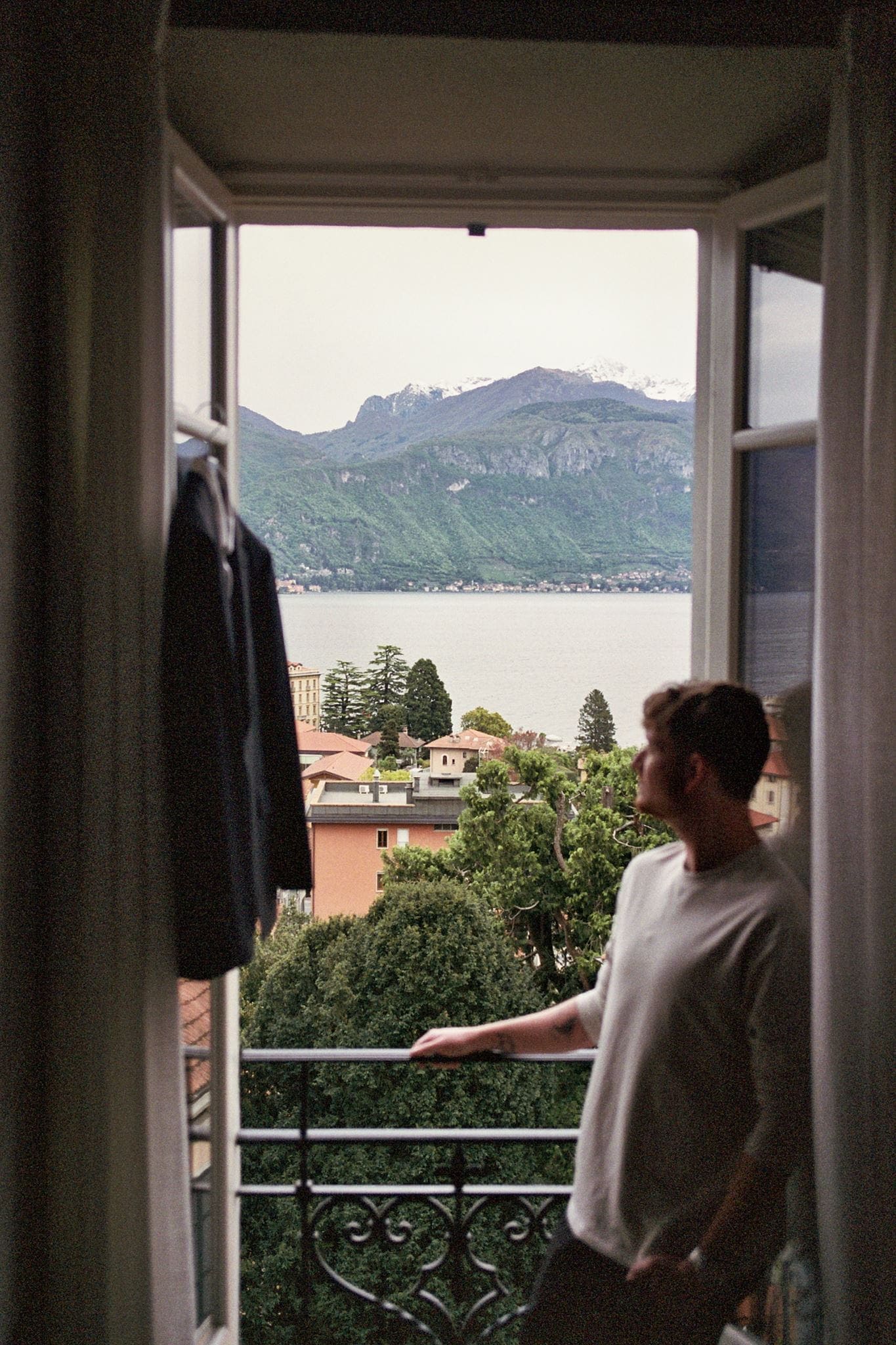
Why I Use Both Film and Digital Wedding Photography
I don’t use film because I want a wedding to feel nostalgic.
And I don’t use digital because I want everything to feel controlled.
I use both because a wedding is never just one emotion.
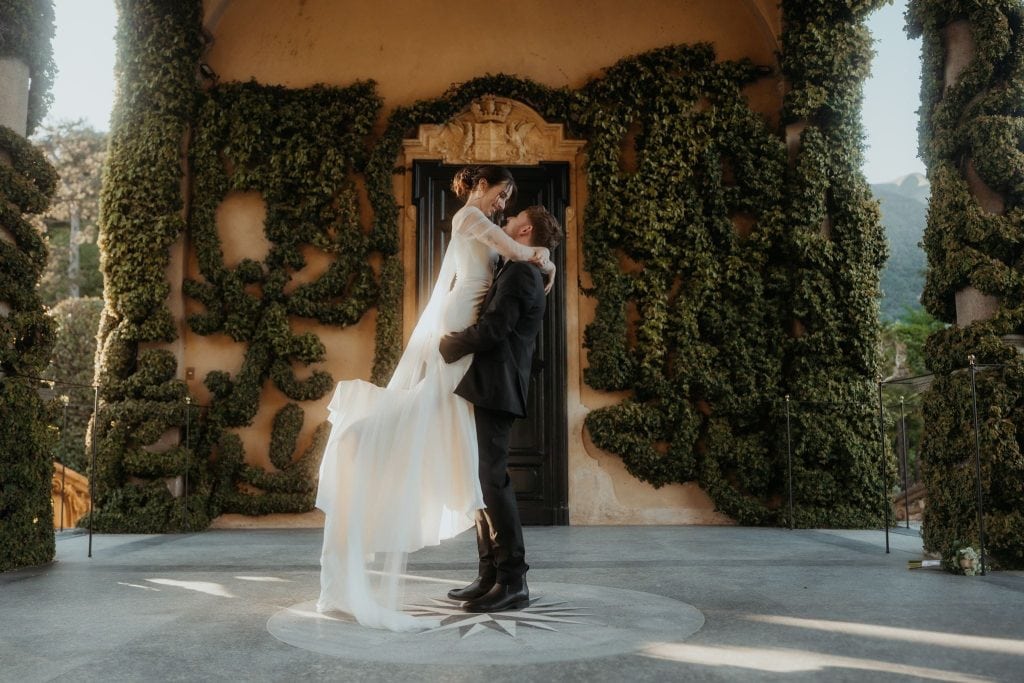
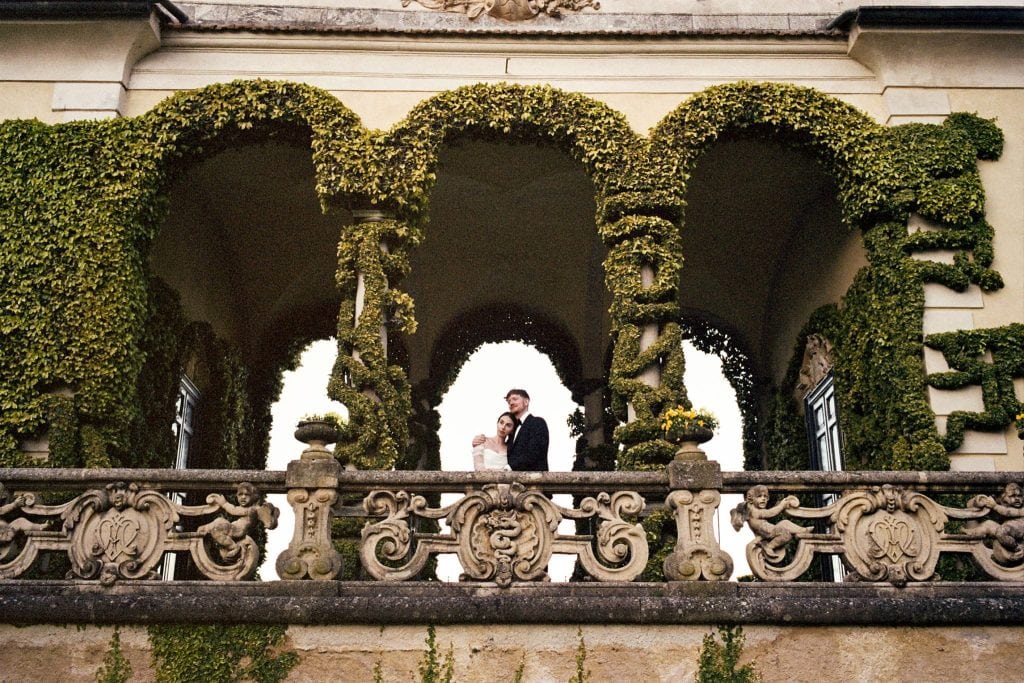
Some moments ask for precision. Others ask for patience. Some ask to be held exactly as they are unfolding, while others ask to be interpreted with a little more openness.
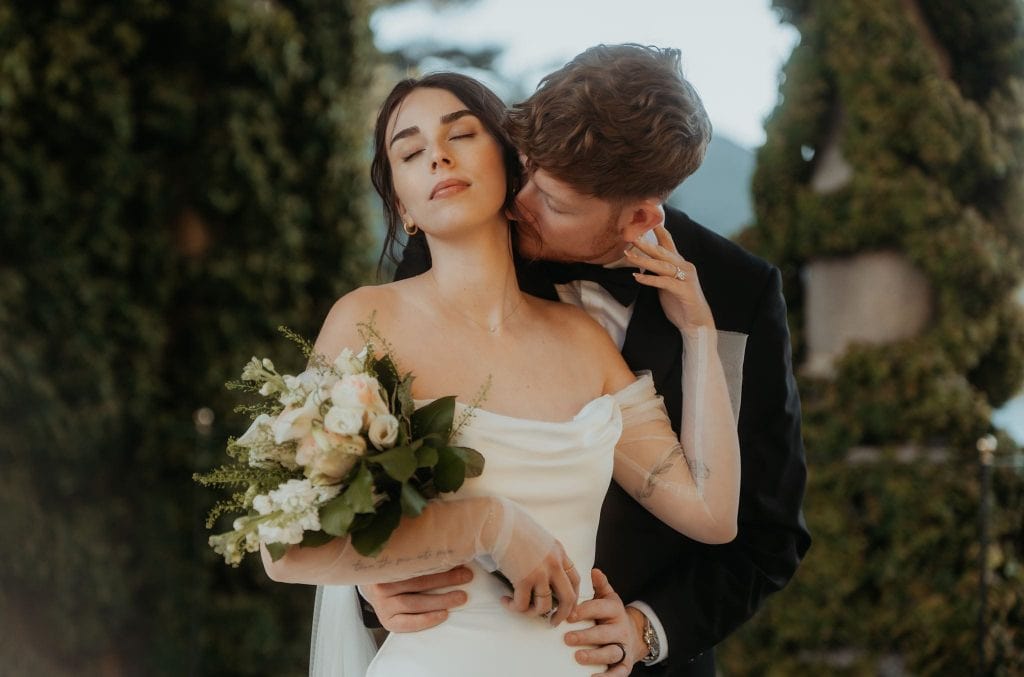
Using both digital and film wedding photography allows me to respond to every moment honestly. And that’s what your story deserves.
Final Thoughts
What I notice with most weddings and elopements is that the photographs are never where the story begins. They begin much earlier, in how a couple chooses to move through their day, and what they make space for.
And when a wedding is planned around presence instead of performance, the photographs naturally follow that same energy. What often changes most is not how the day looks, but how it feels while it is happening. There is more space to actually experience it, instead of performing through it, and that is what ultimately shapes the photographs you receive back.
This is the philosophy behind my work, and something I go deeper into through real wedding experiences here: Wedding Experience Portfolio
If this way of seeing a wedding resonates with you, I’d love to hear what you’re planning.
More Film Wedding Photo Inspiration
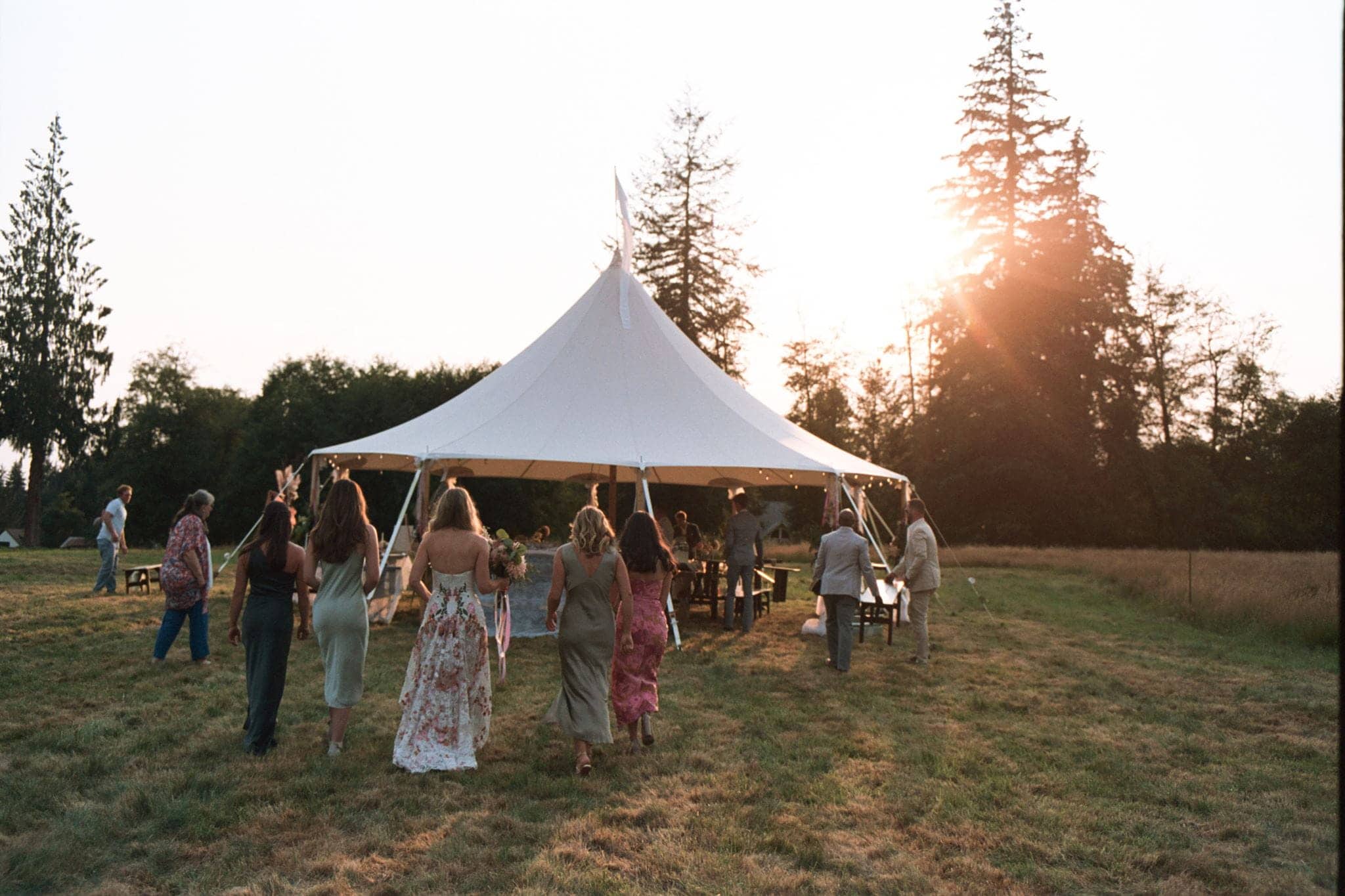
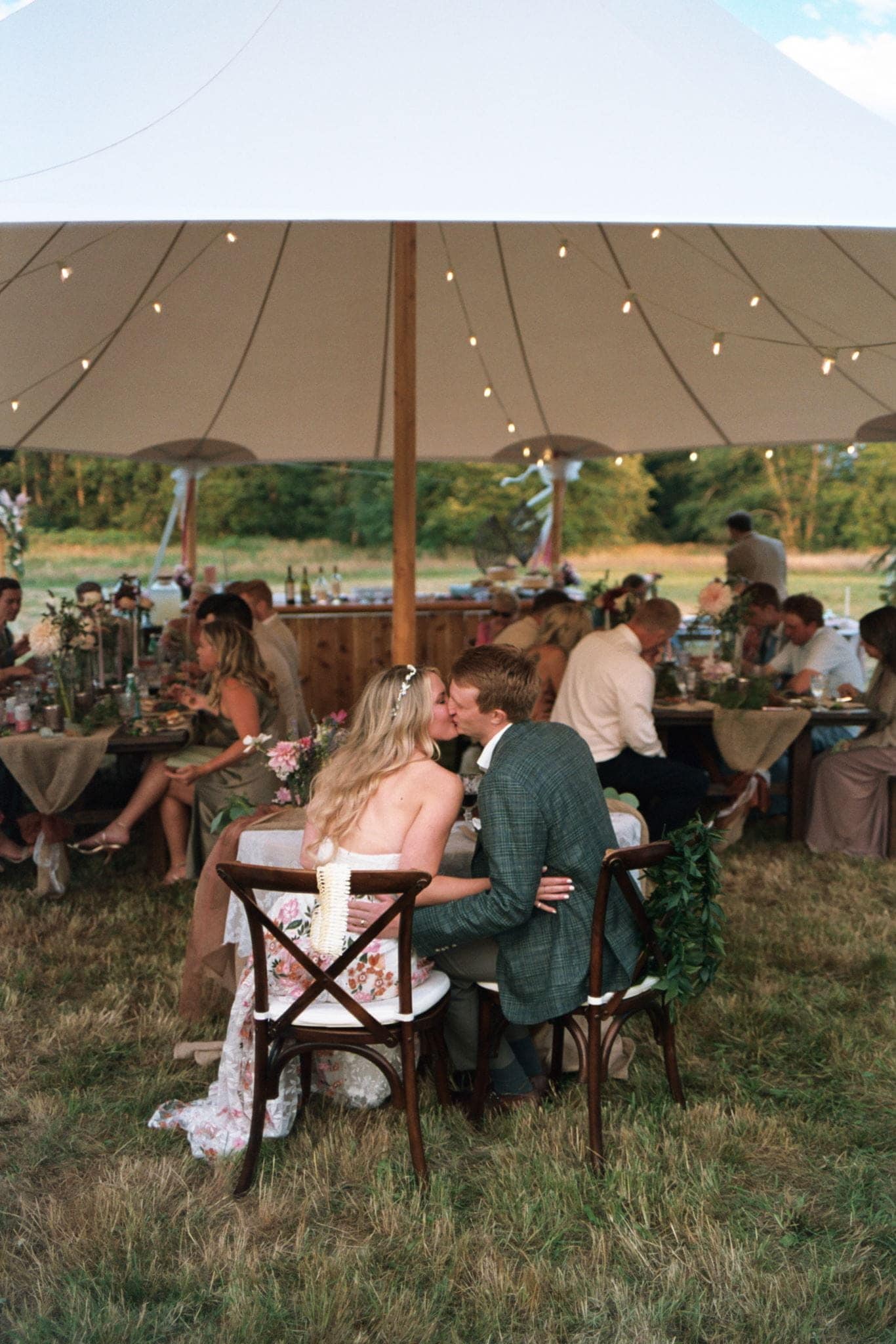
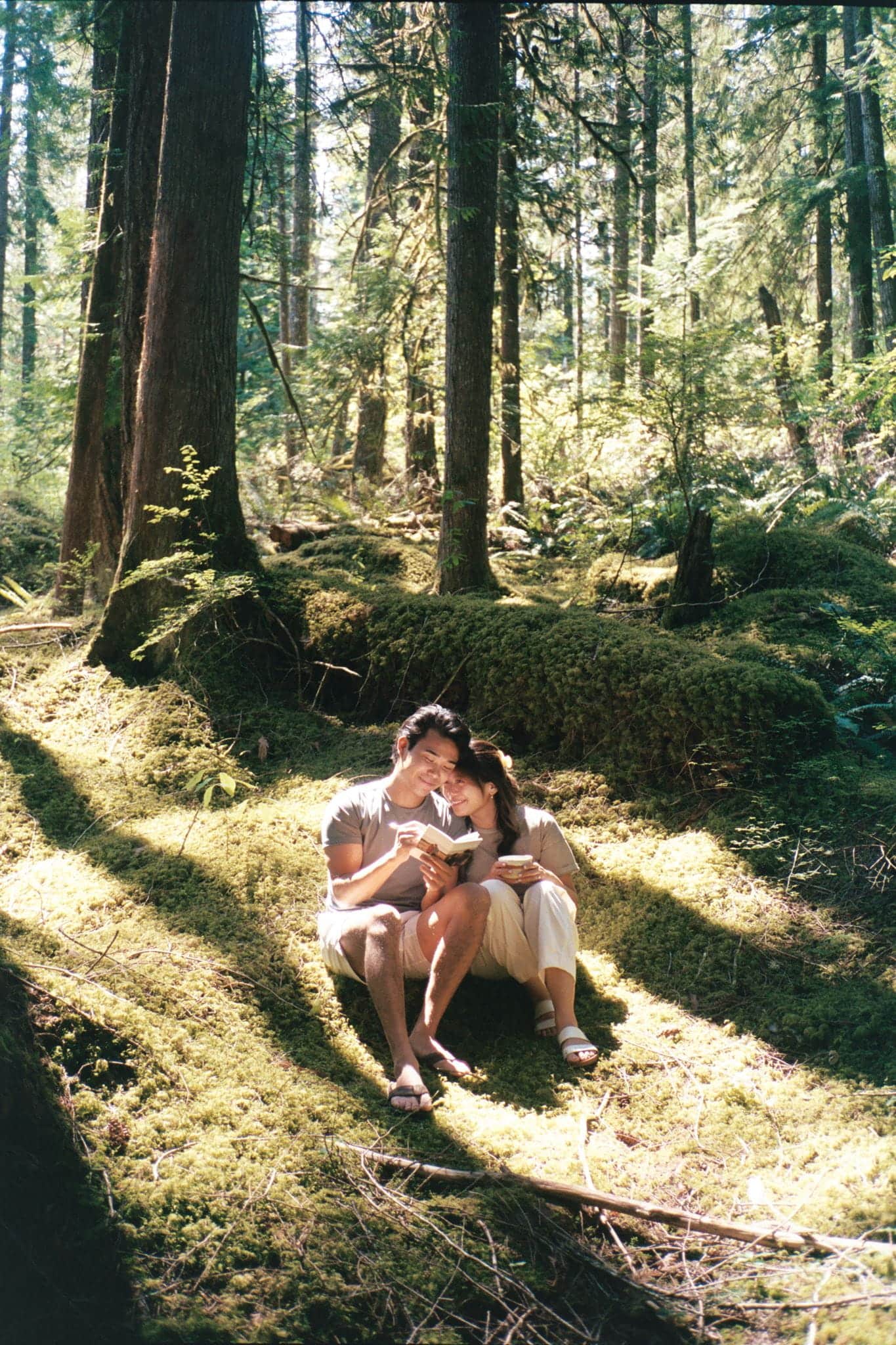
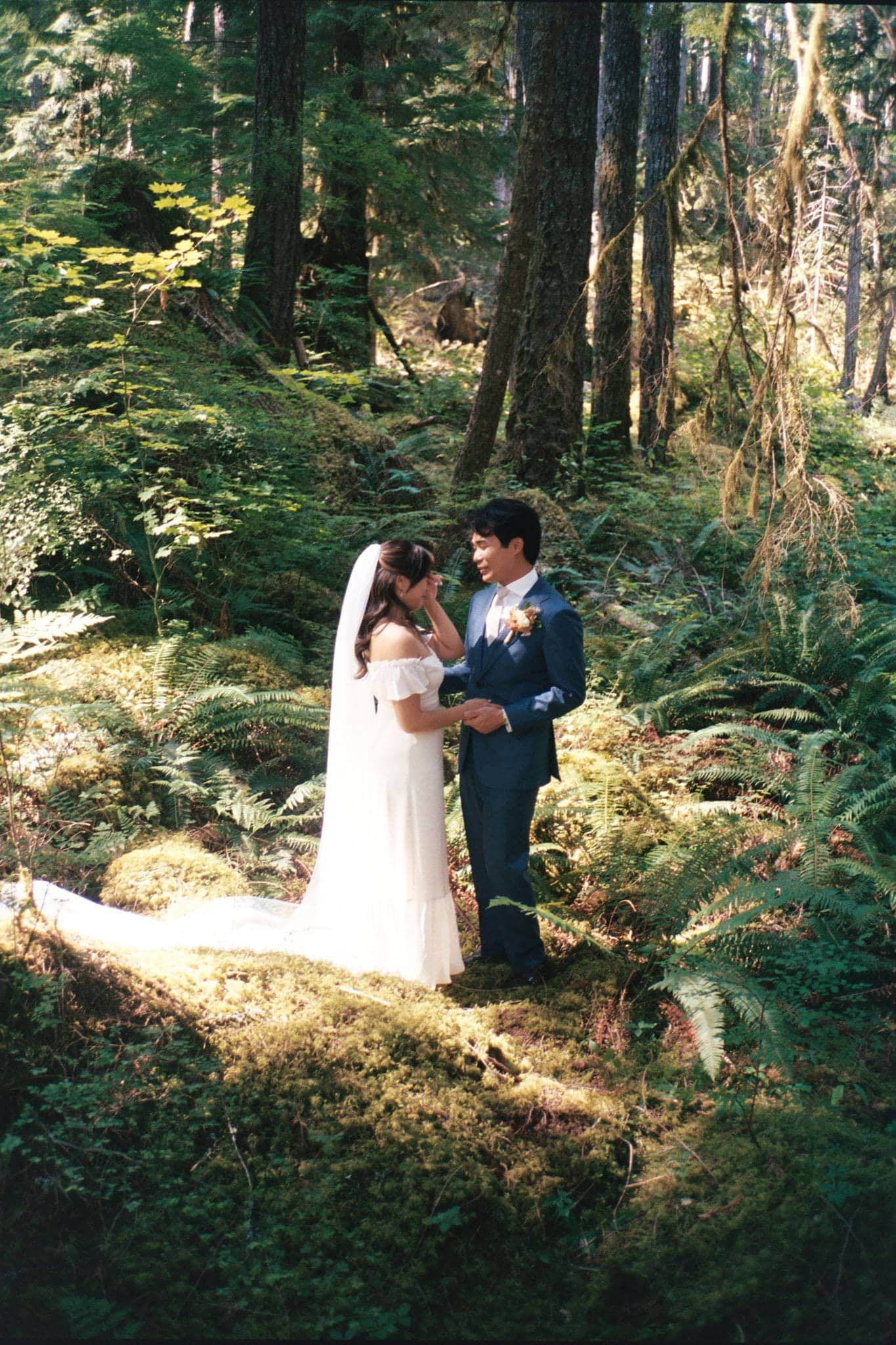
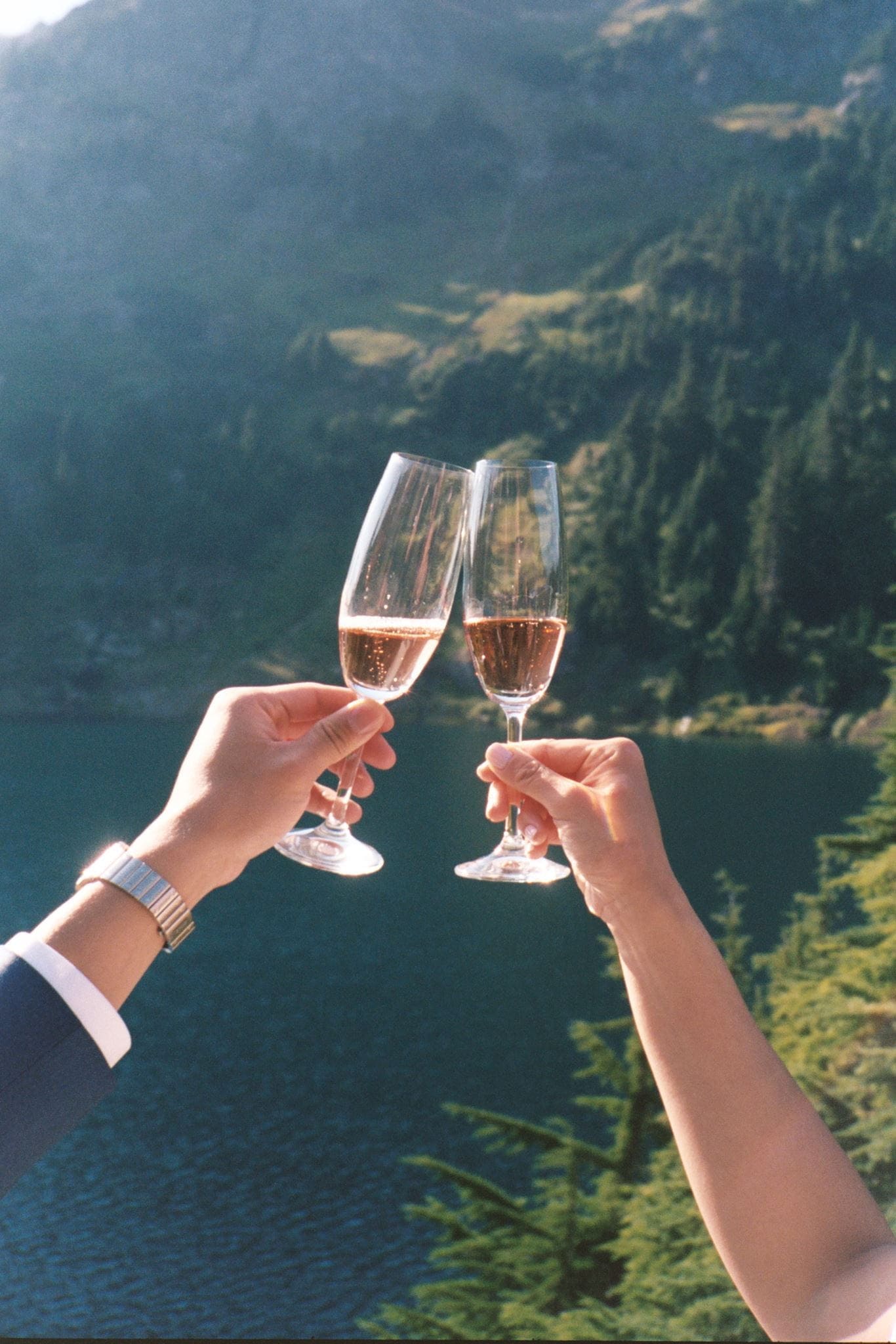
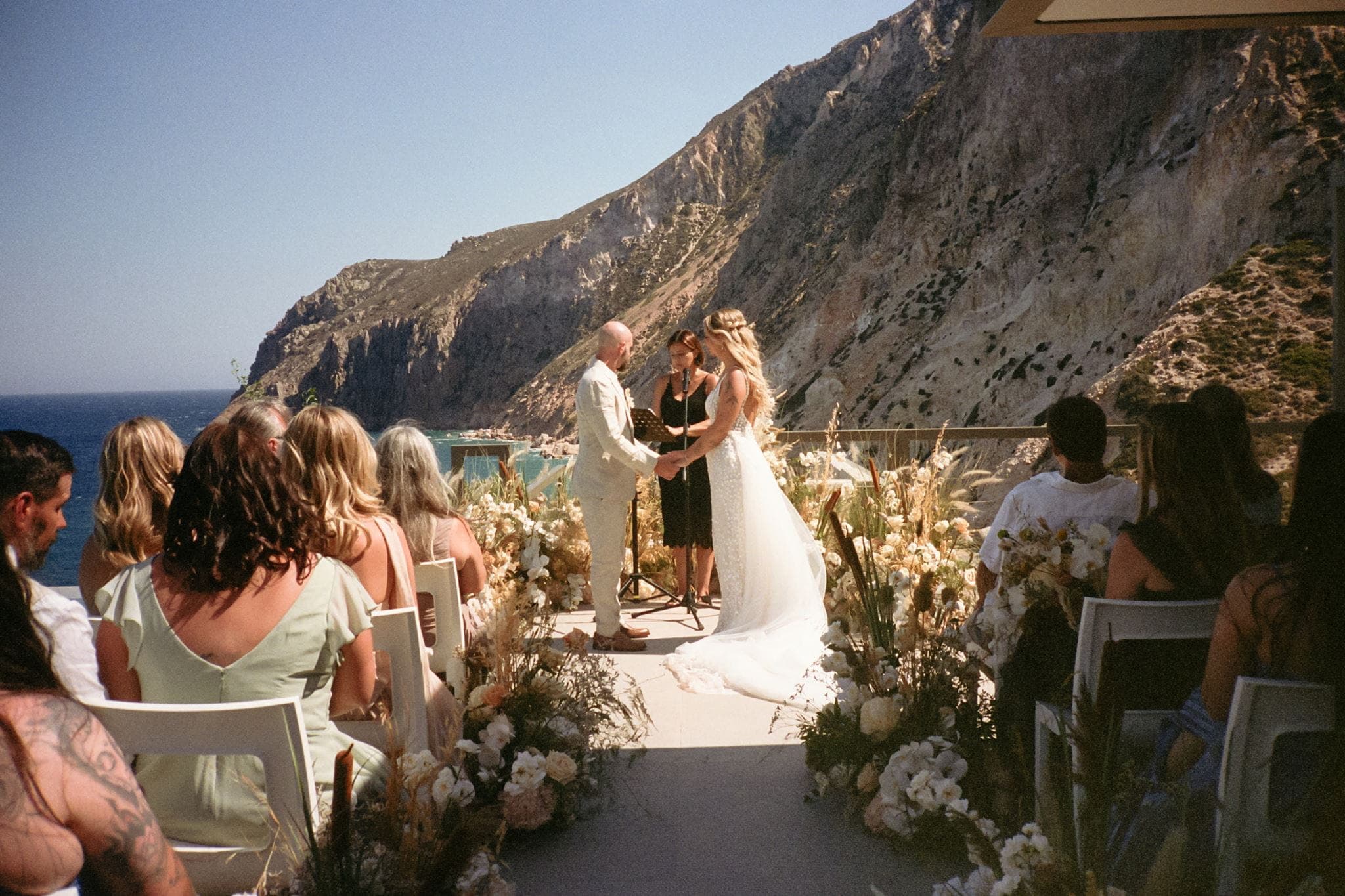
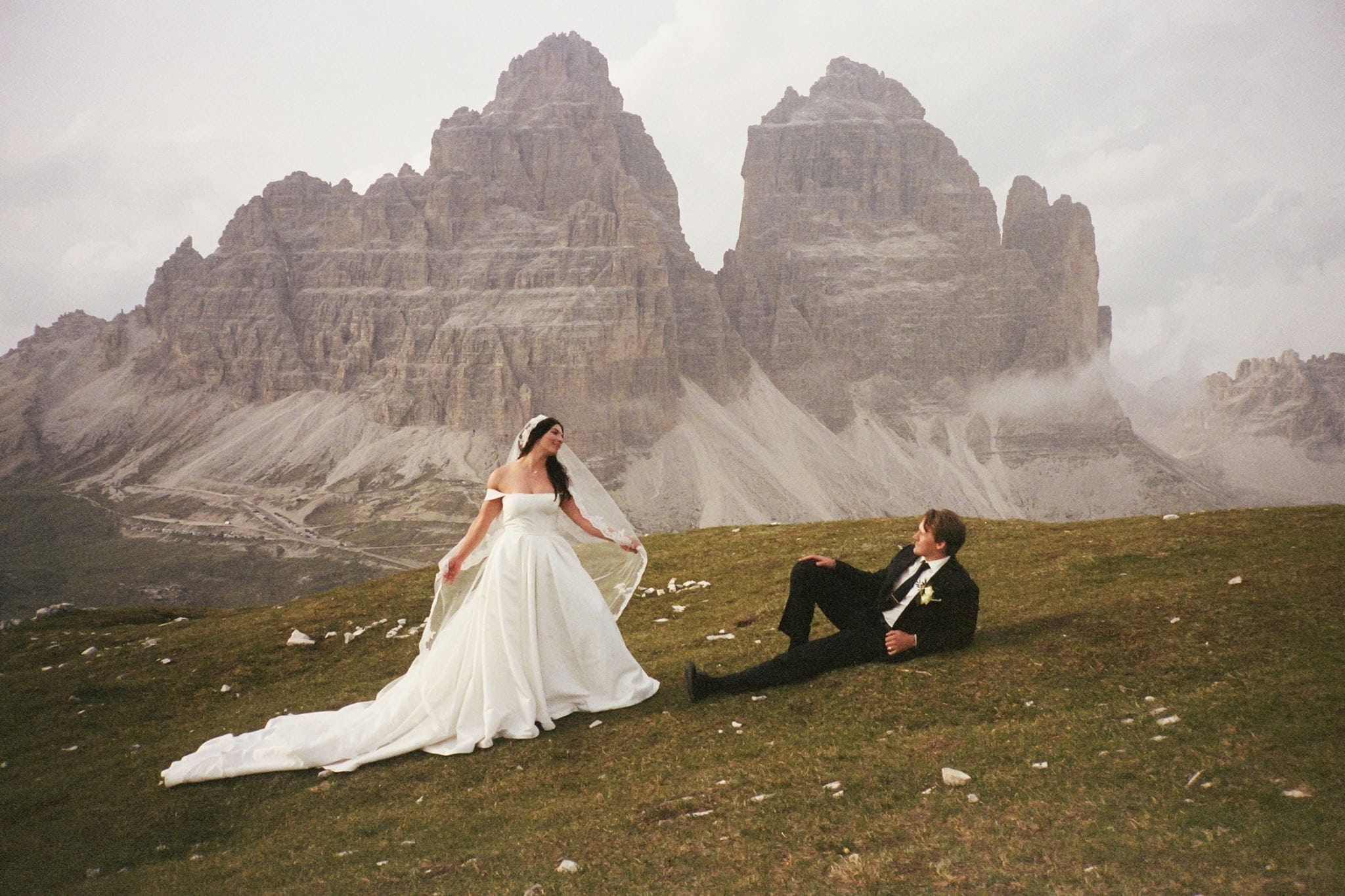
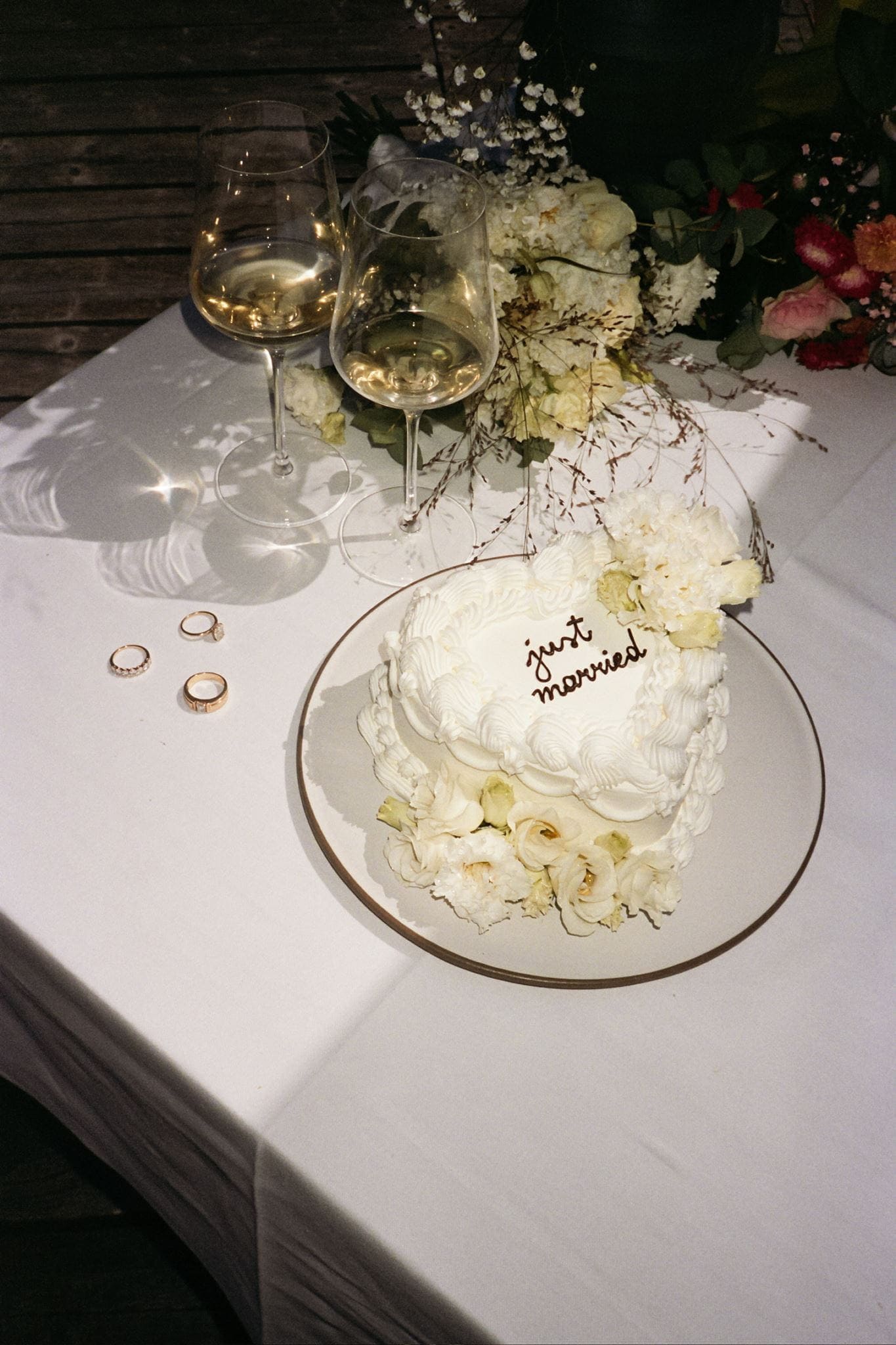
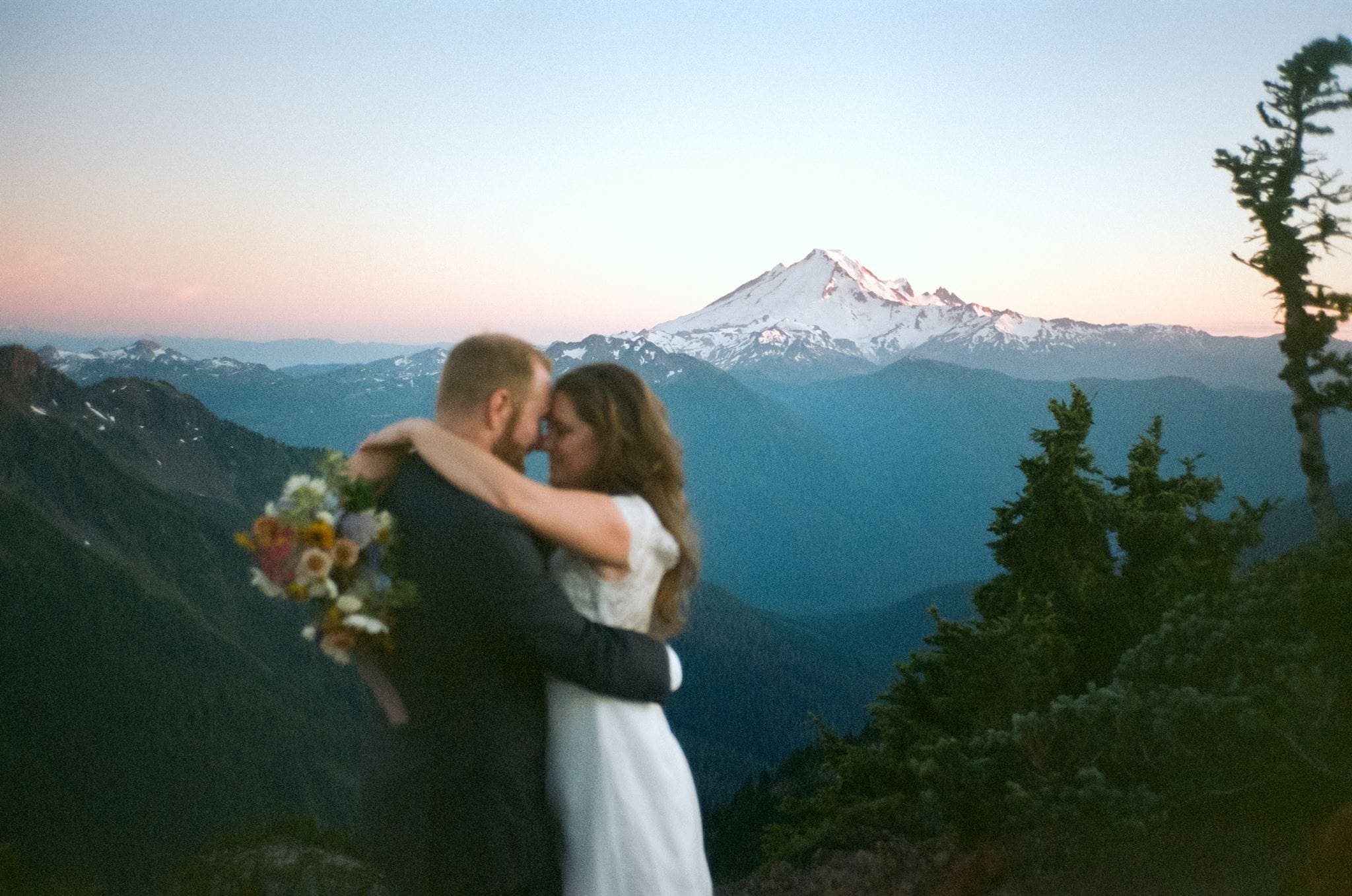
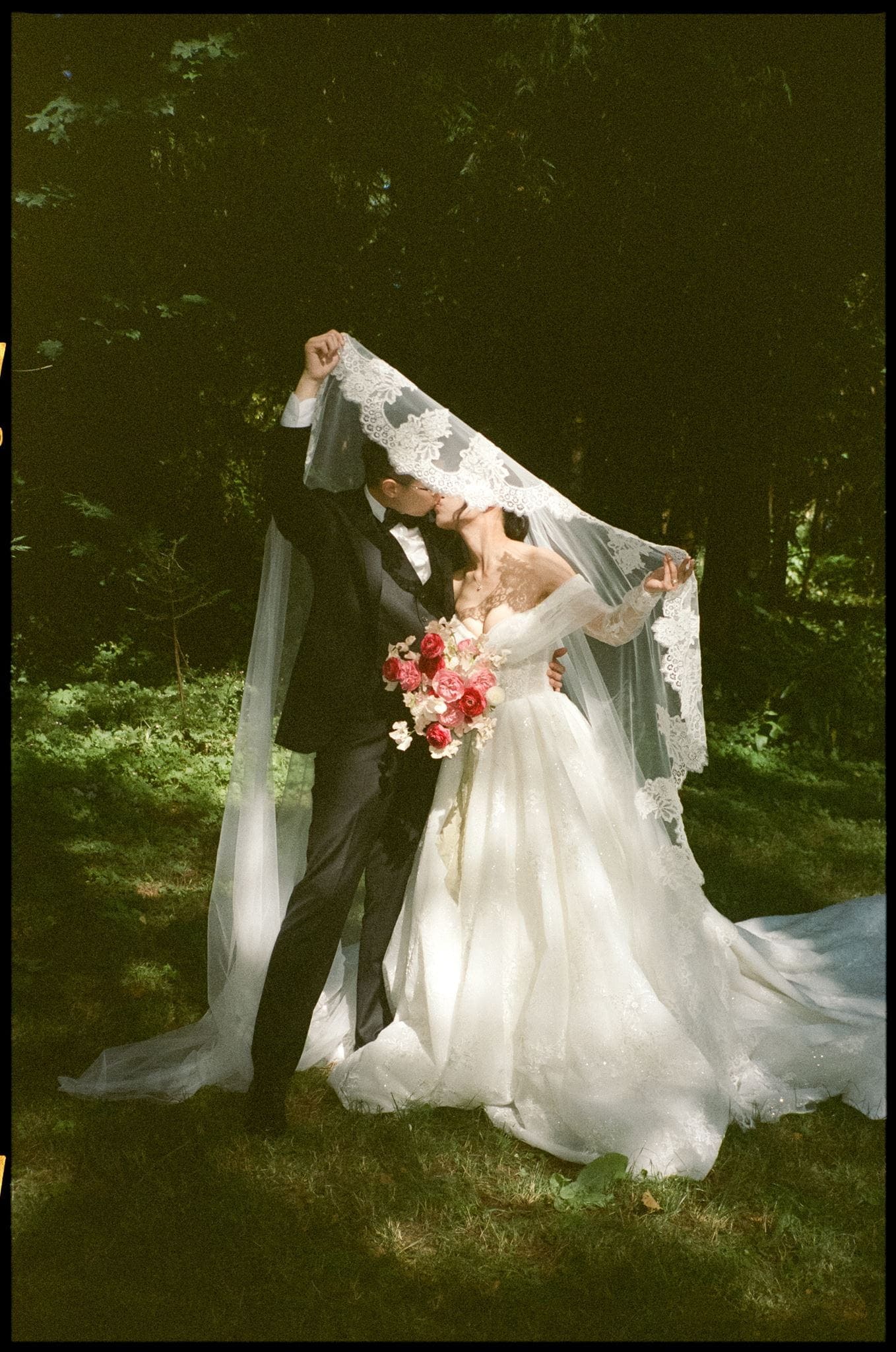
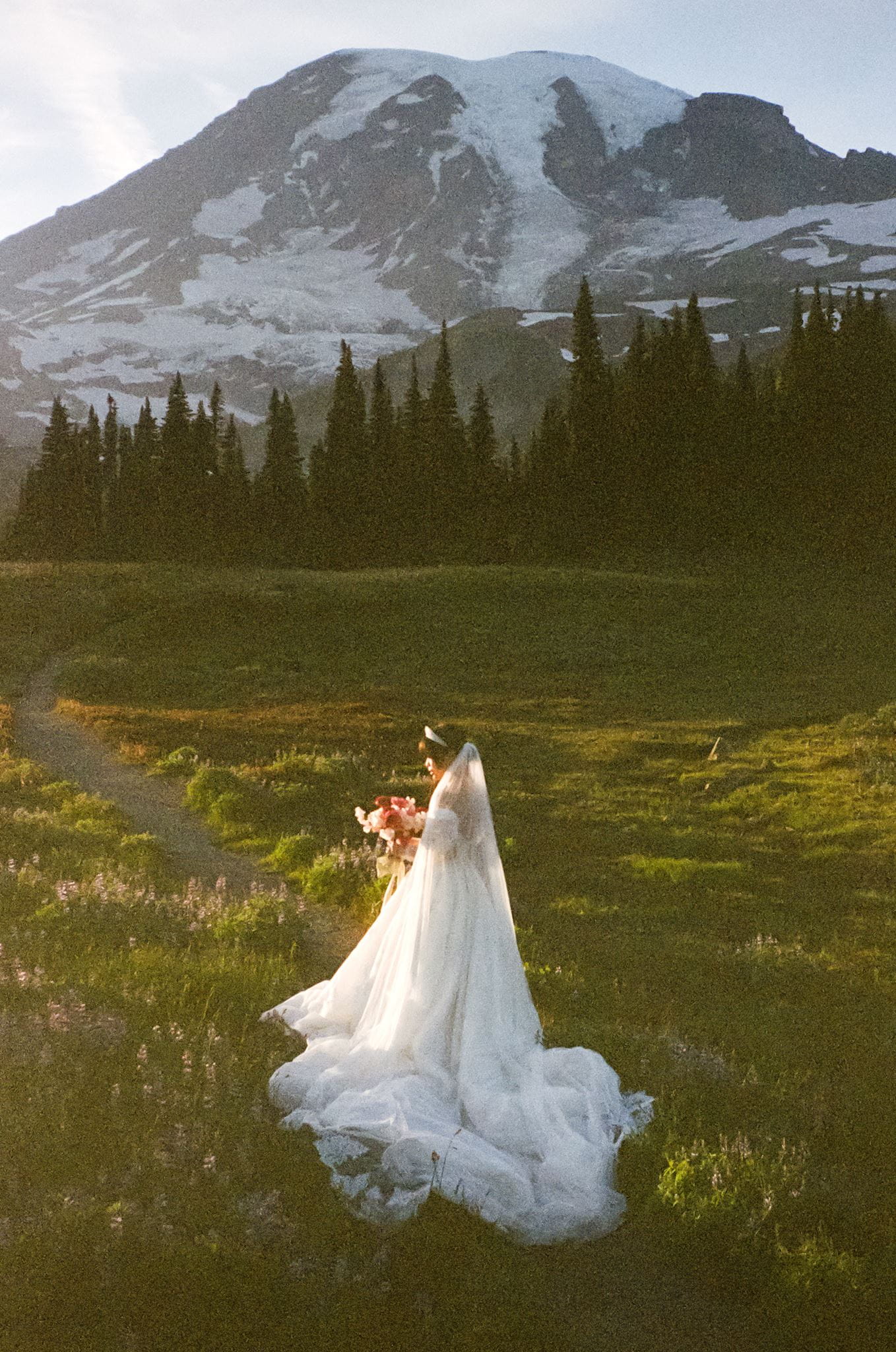
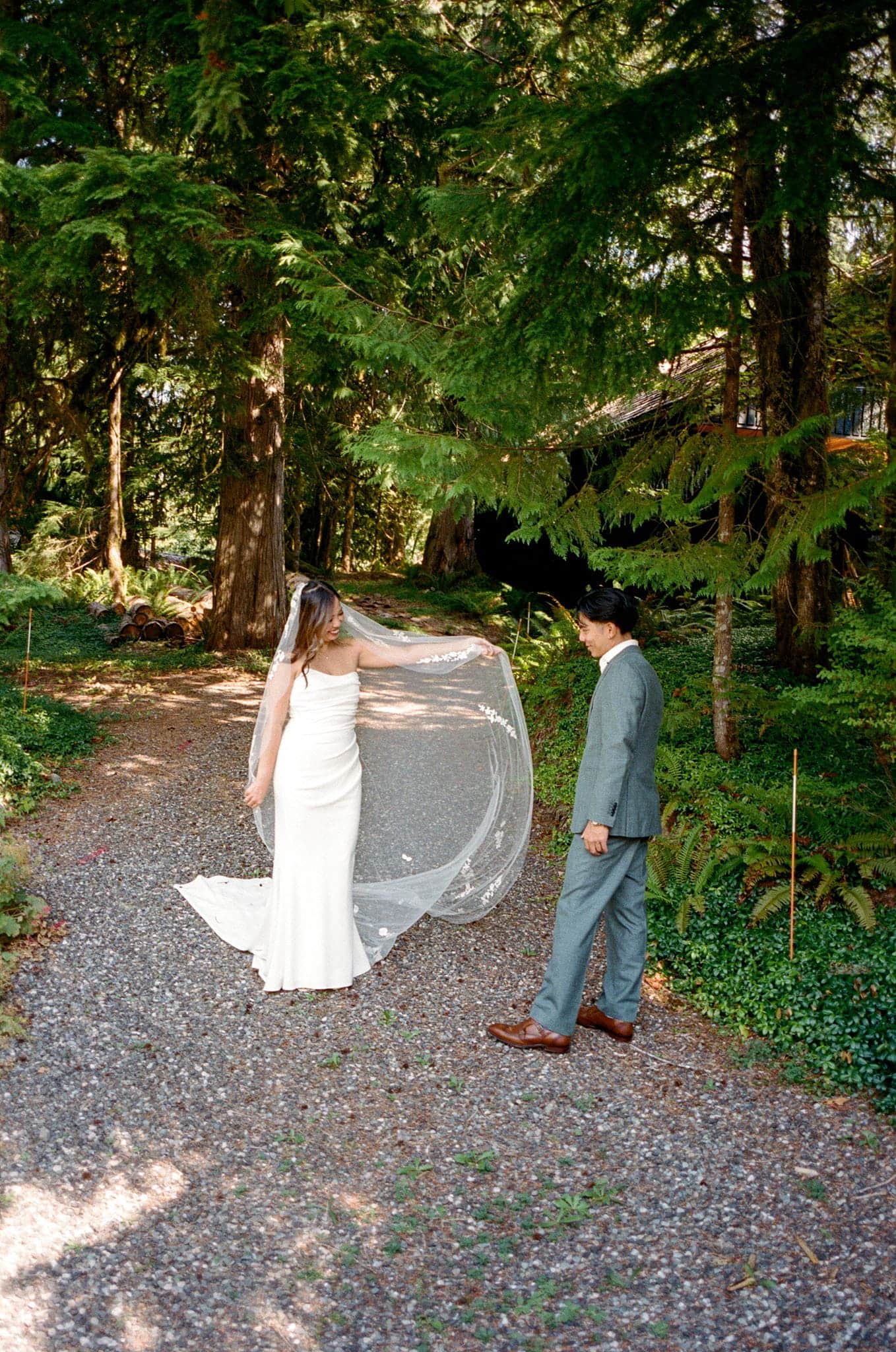
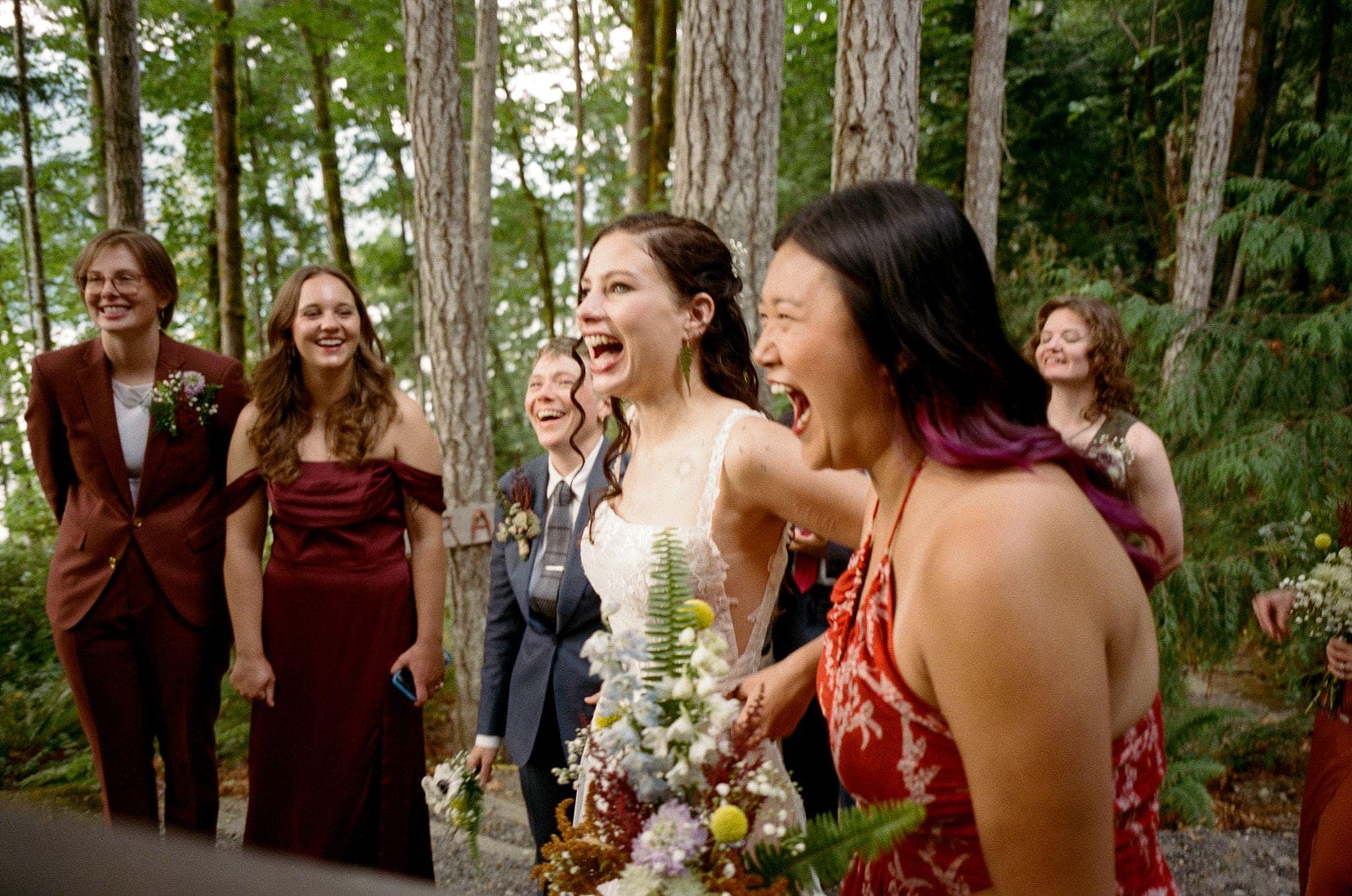
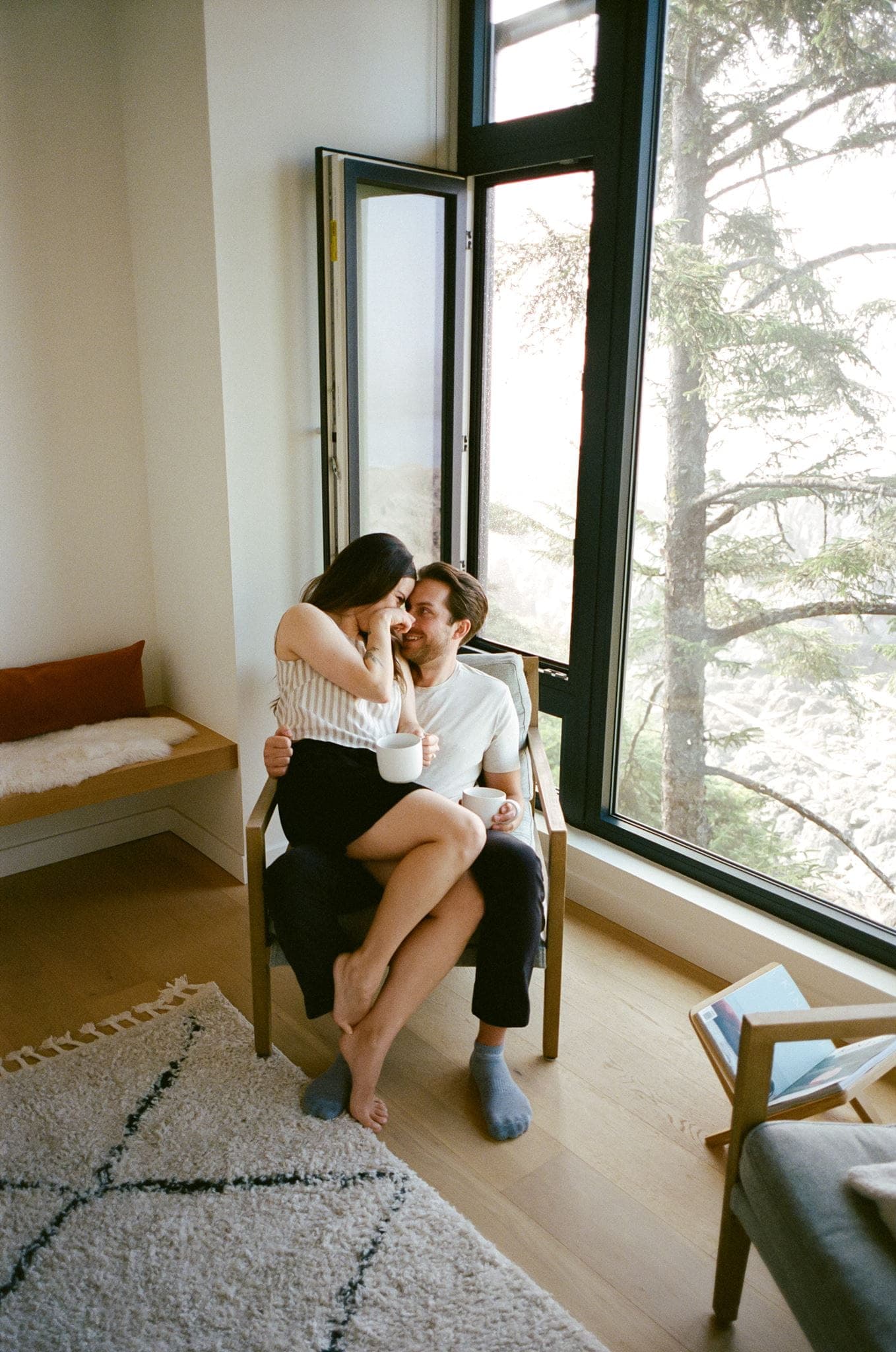
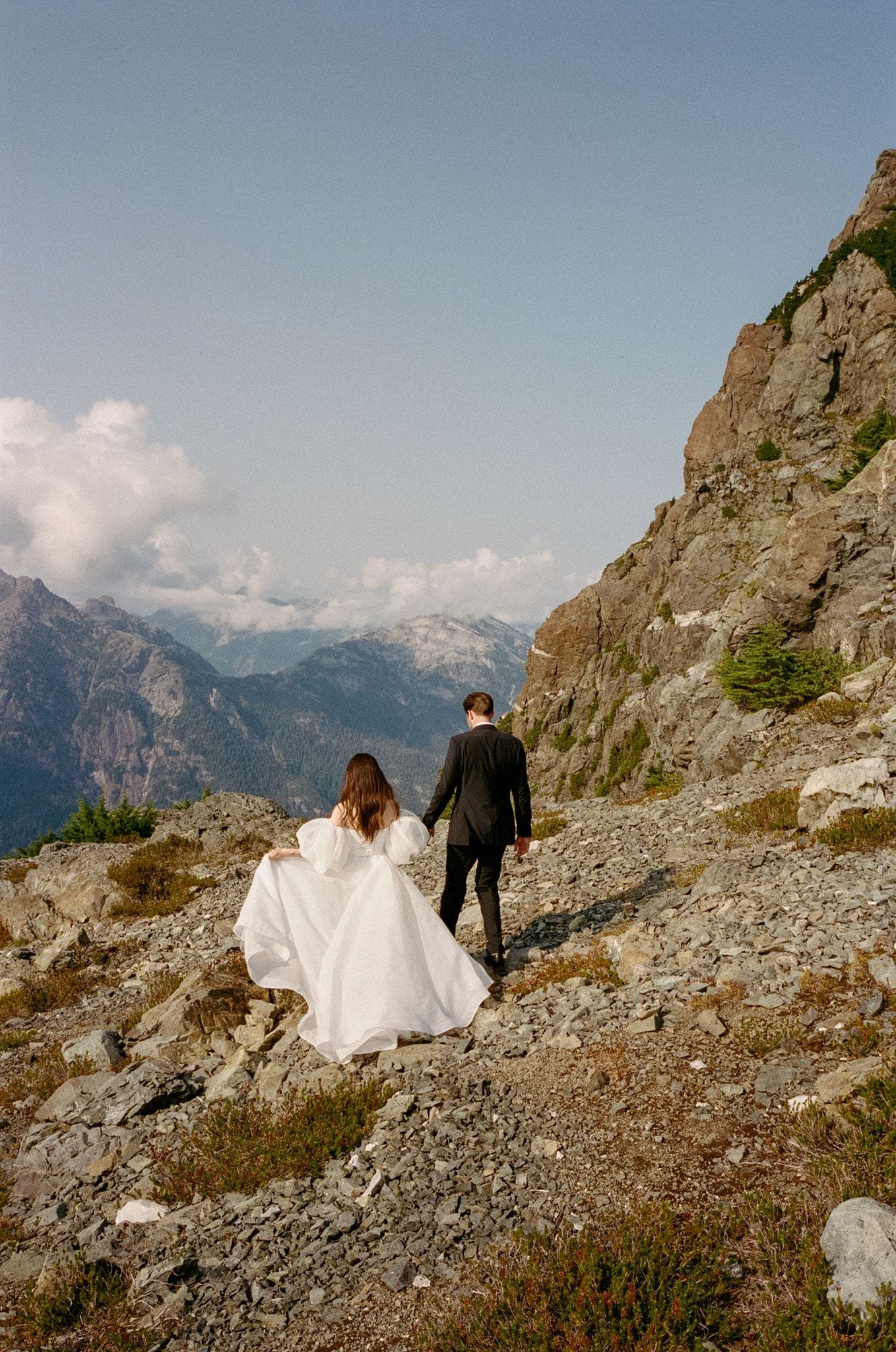
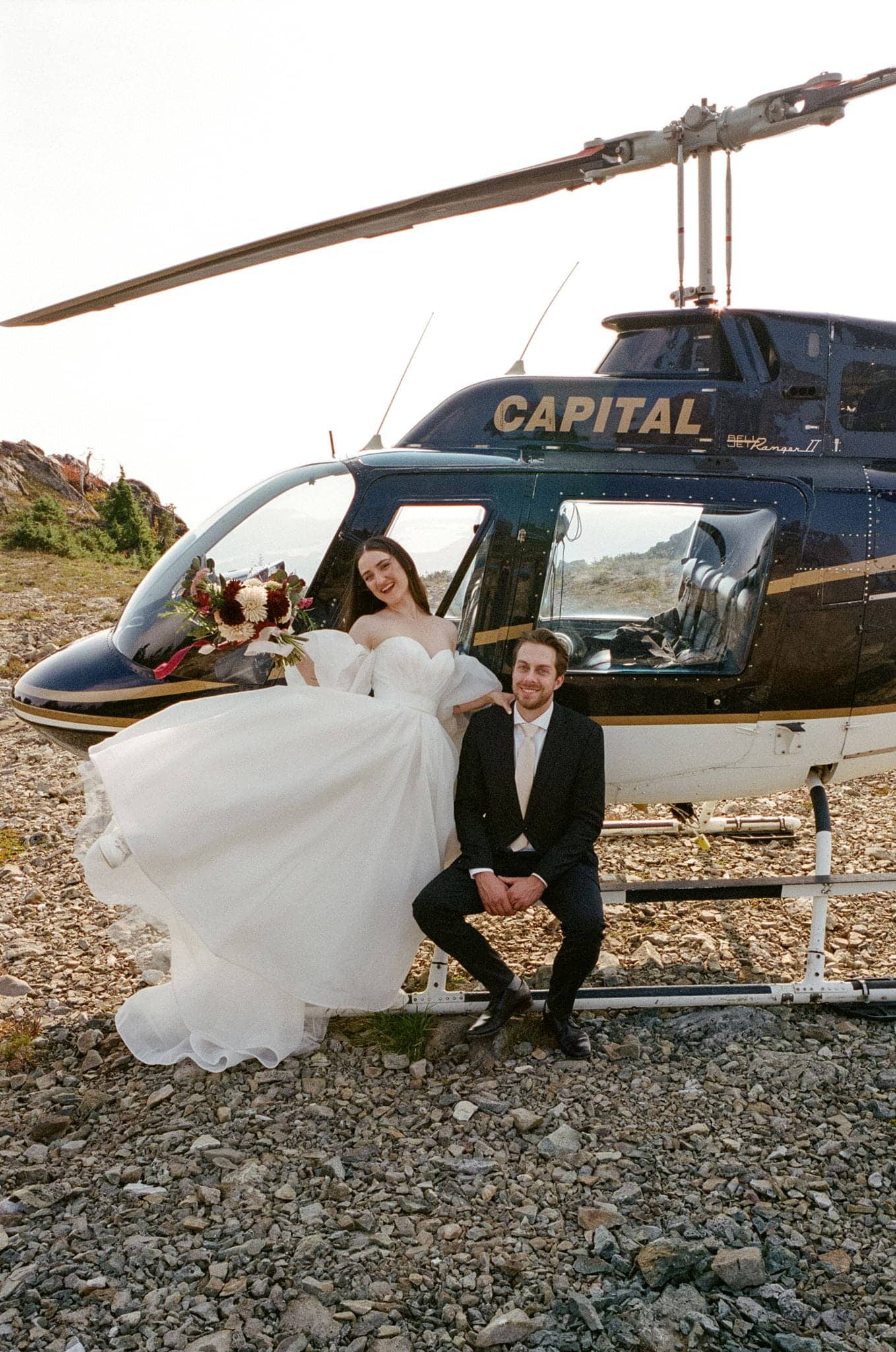
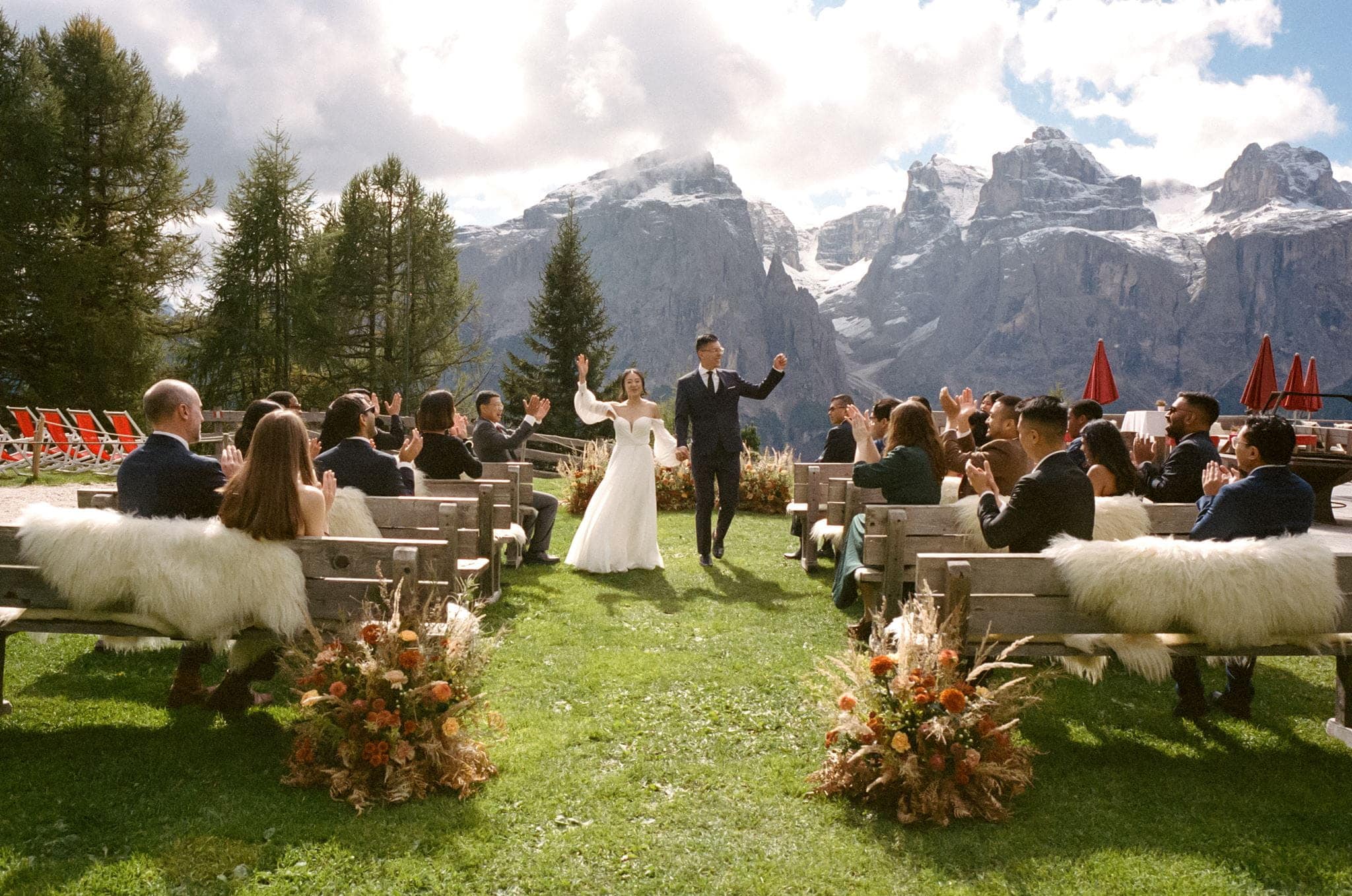
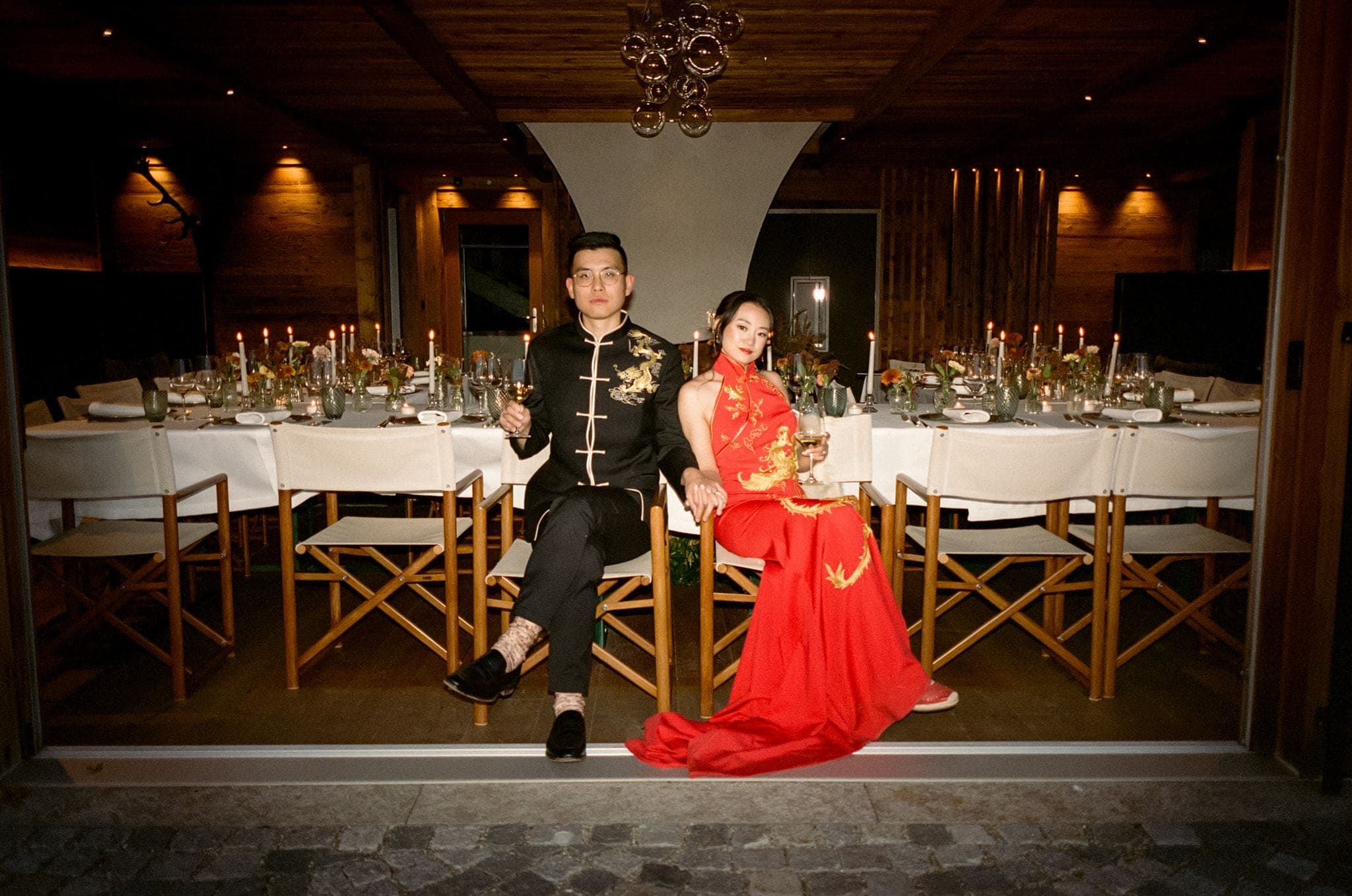
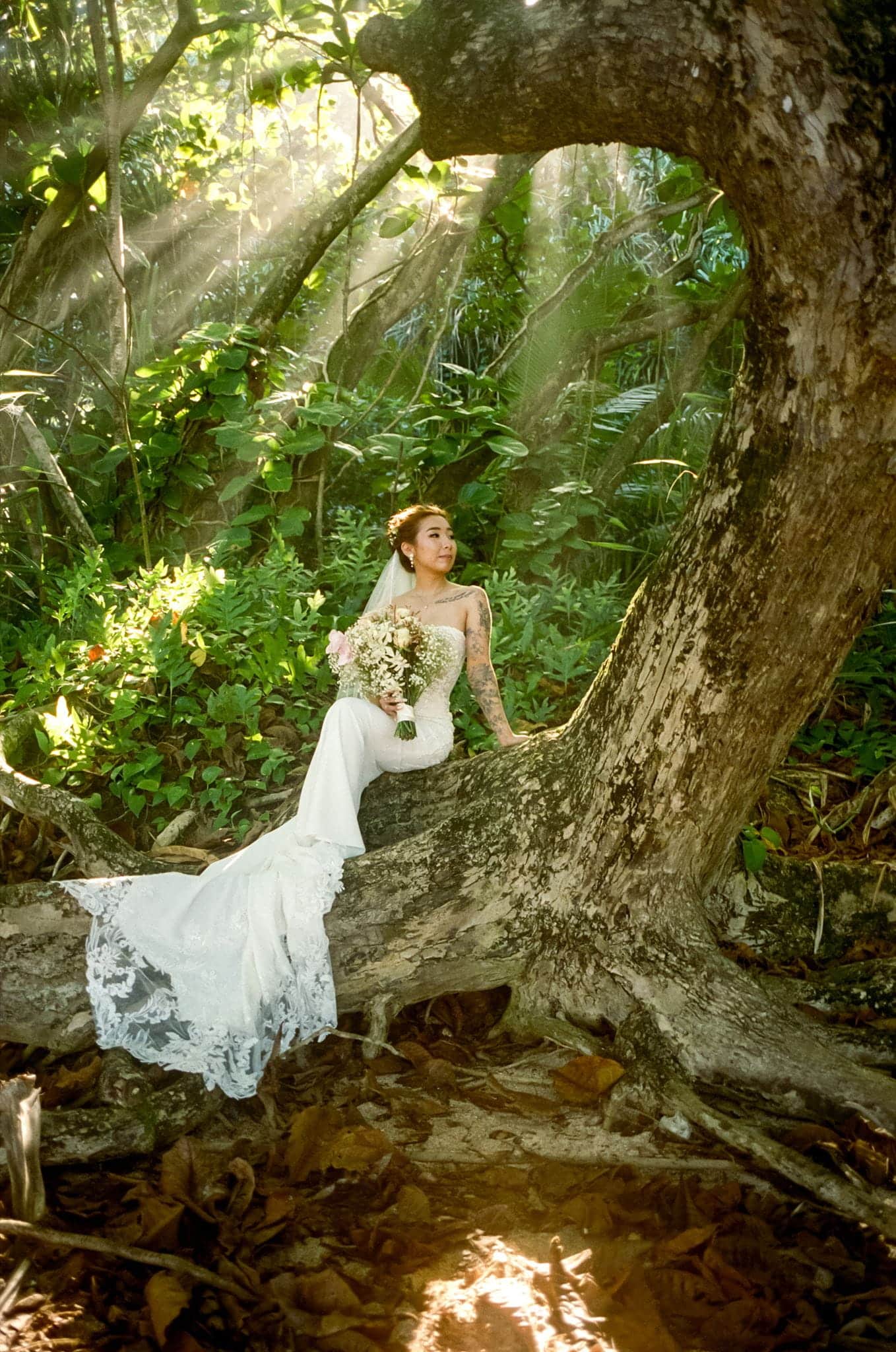
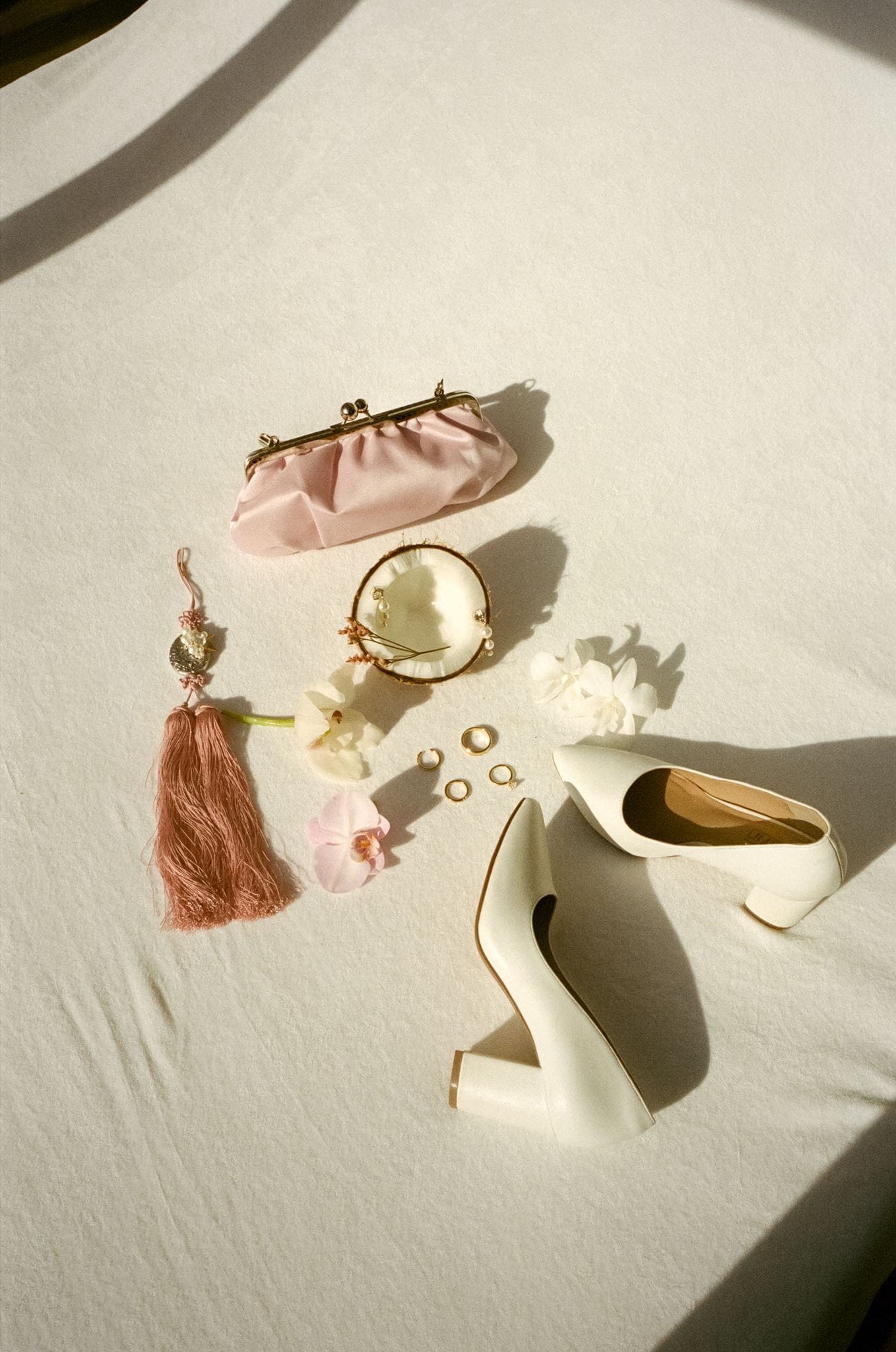
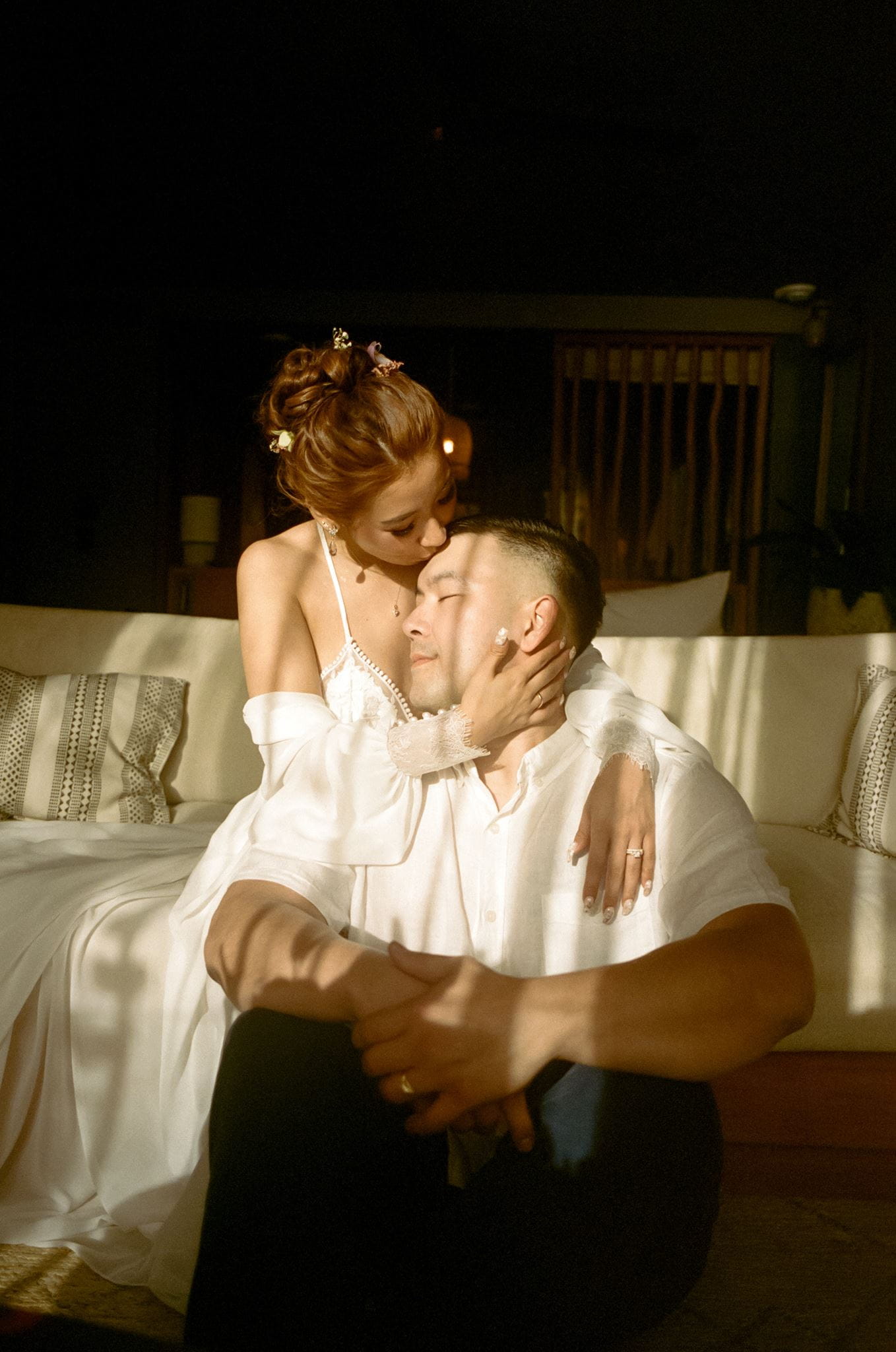
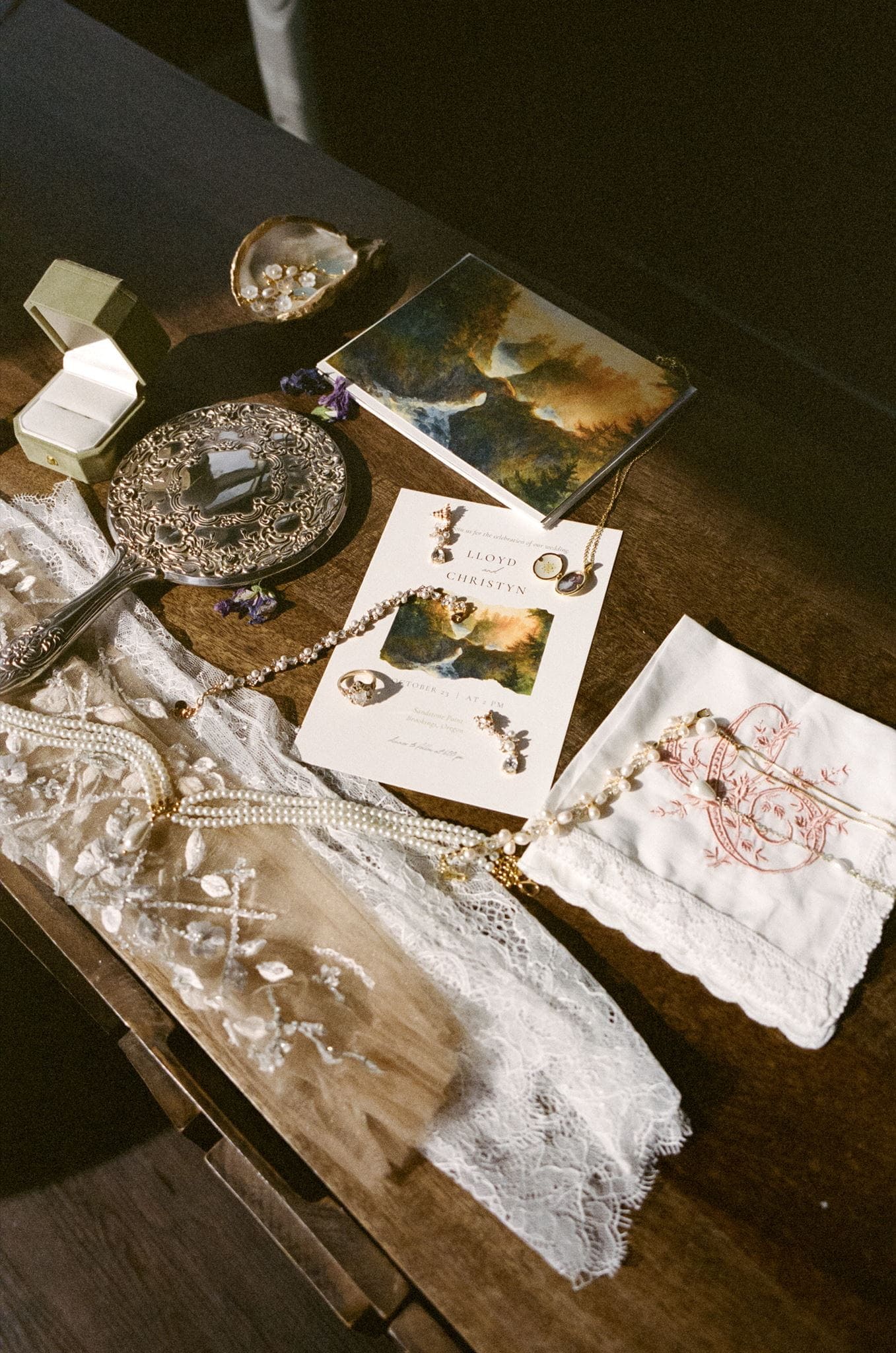
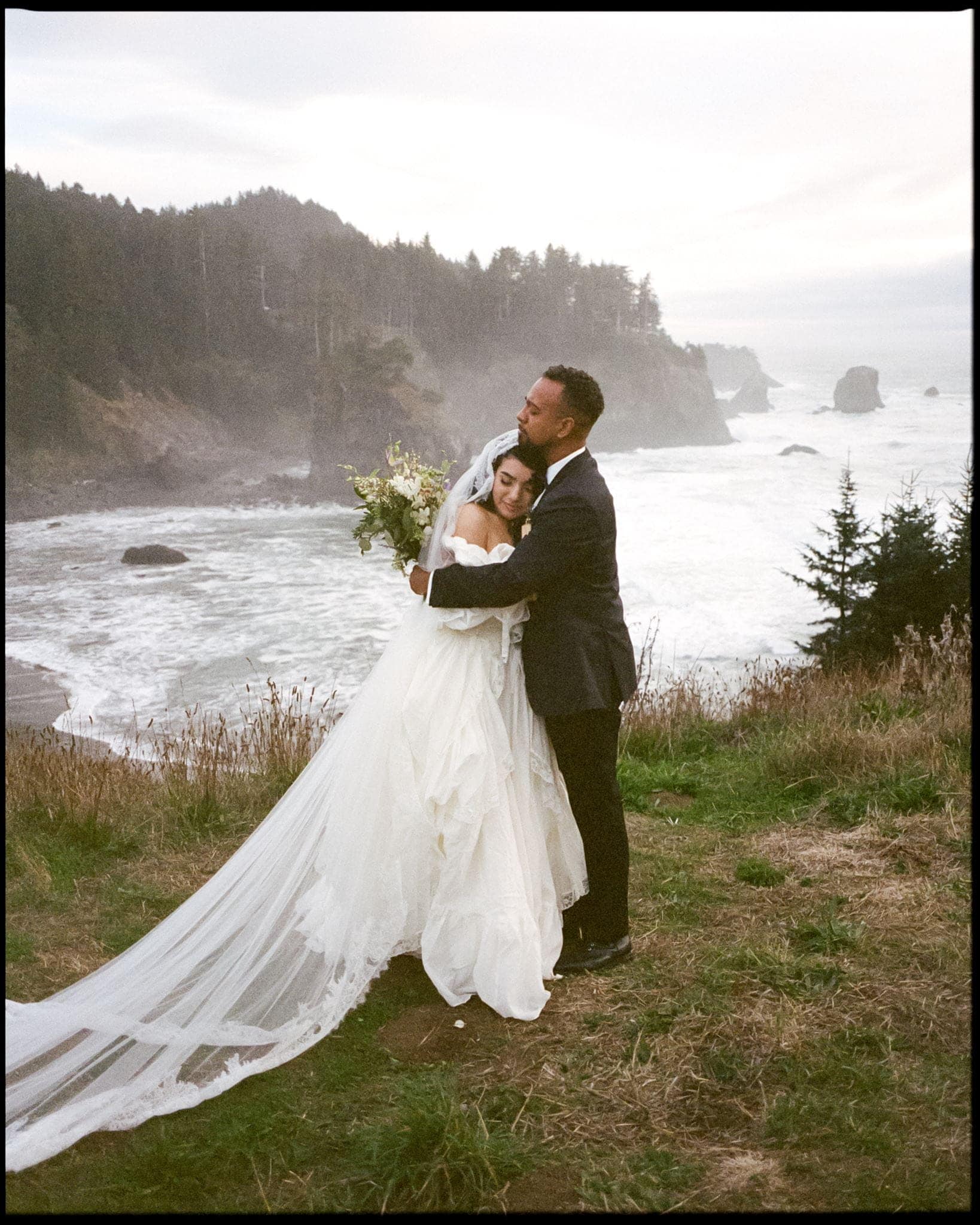
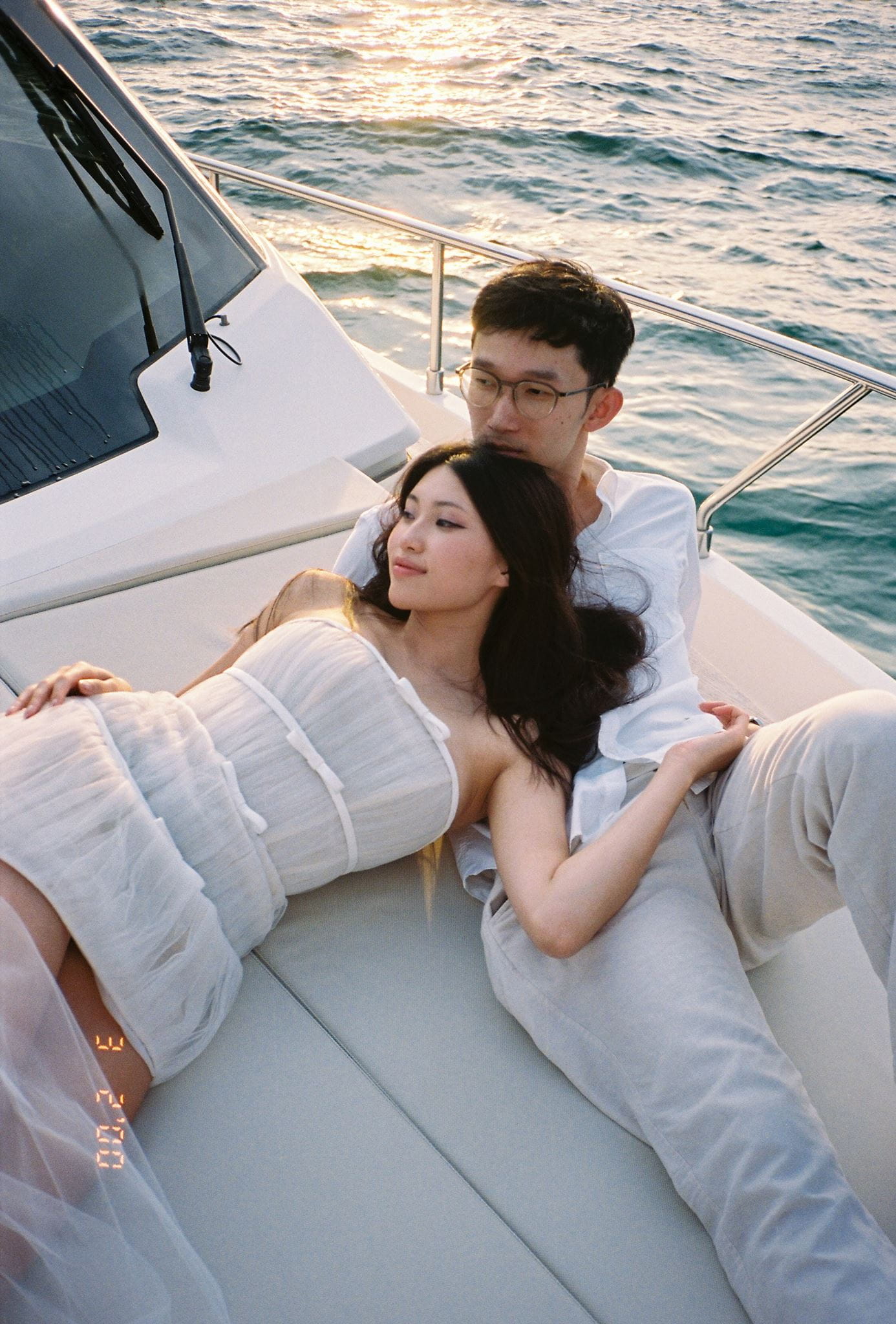
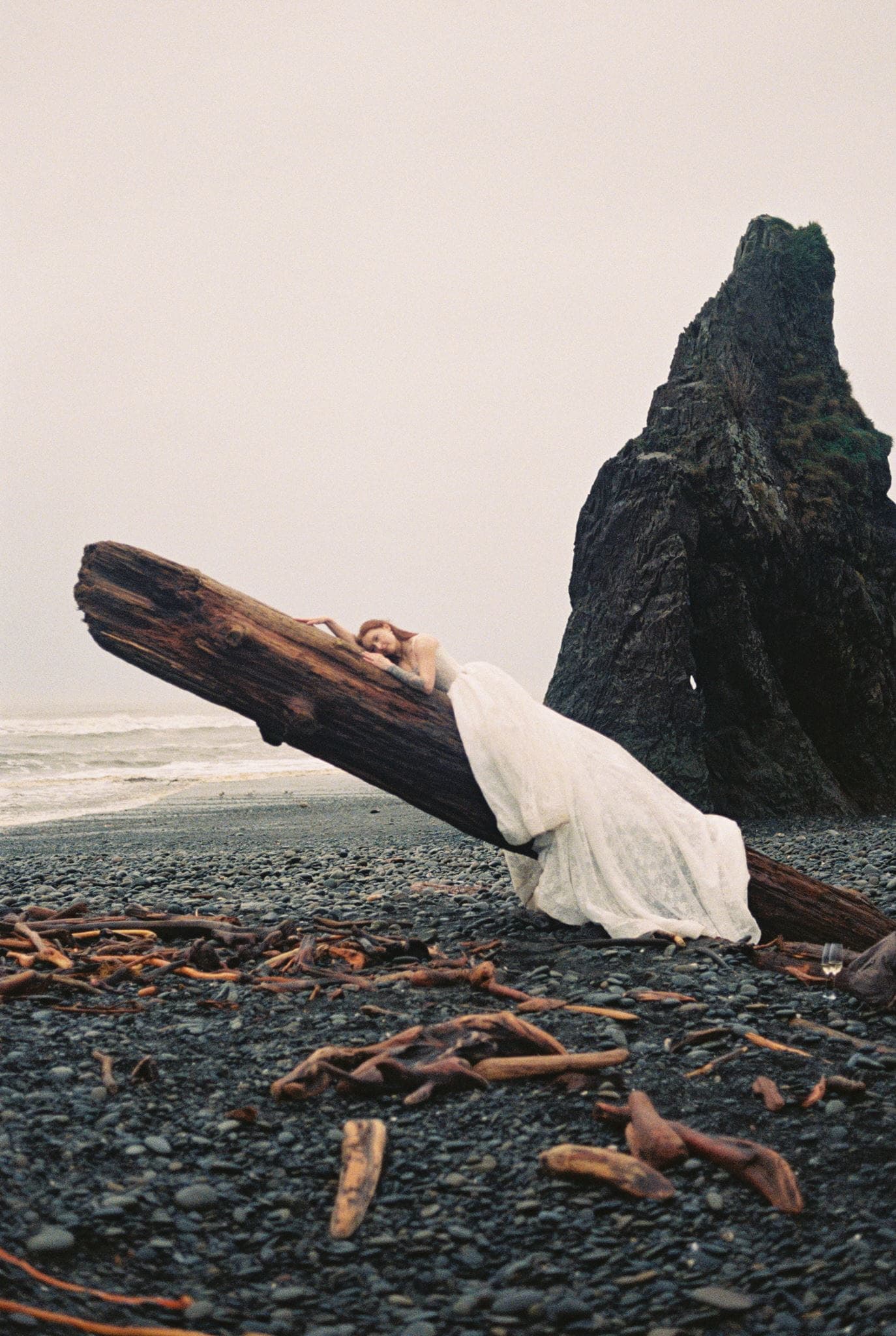
Want to see more wedding film photos? Here are some frames from recent weddings & elopements photographed on film.
FAQs About Digital & Film Wedding Photography
Should I choose digital or film for my wedding photos?
For me, it’s rarely about choosing one or the other. Every wedding I photograph includes digital because it allows me to document the day with consistency and respond quickly as moments unfold. Film enters more selectively, when the pace of the day allows for a different way of seeing. If your priority is having a gallery that feels layered and emotionally varied, I love using both together.
Is film wedding photography worth it?
That depends on what you value. If your goal is consistency, precision, and knowing exactly how your final gallery will feel, digital does an incredible job. Film, on the other hand, tends to be meaningful for couples who are drawn to a slower, more interpretive feeling. Neither is better. They simply create different experiences.
What film do you shoot?
I currently photograph using both 35mm and medium format film and typically work with Kodak film stocks including Portra 400, Portra 800, Gold 200, and Eastman Kodak’s Ektacolor Pro 400 and 800 (the recently re-released version of Portra using the same film emulsion under a new name). The exact combination changes depending on the day, lighting, and how I want the final images to feel.
Do film photos take longer to get back?
A little bit. Your digital preview gallery is still delivered within 72 hours after your wedding day, so you’ll have photos to relive and share shortly after everything settles. Film takes additional time to be developed and scanned by the lab, which means those images are not included in previews. Instead, your film and digital photos are delivered together in your final gallery around 3 months after your wedding day.
Meet Your Wedding & Elopement Photographer
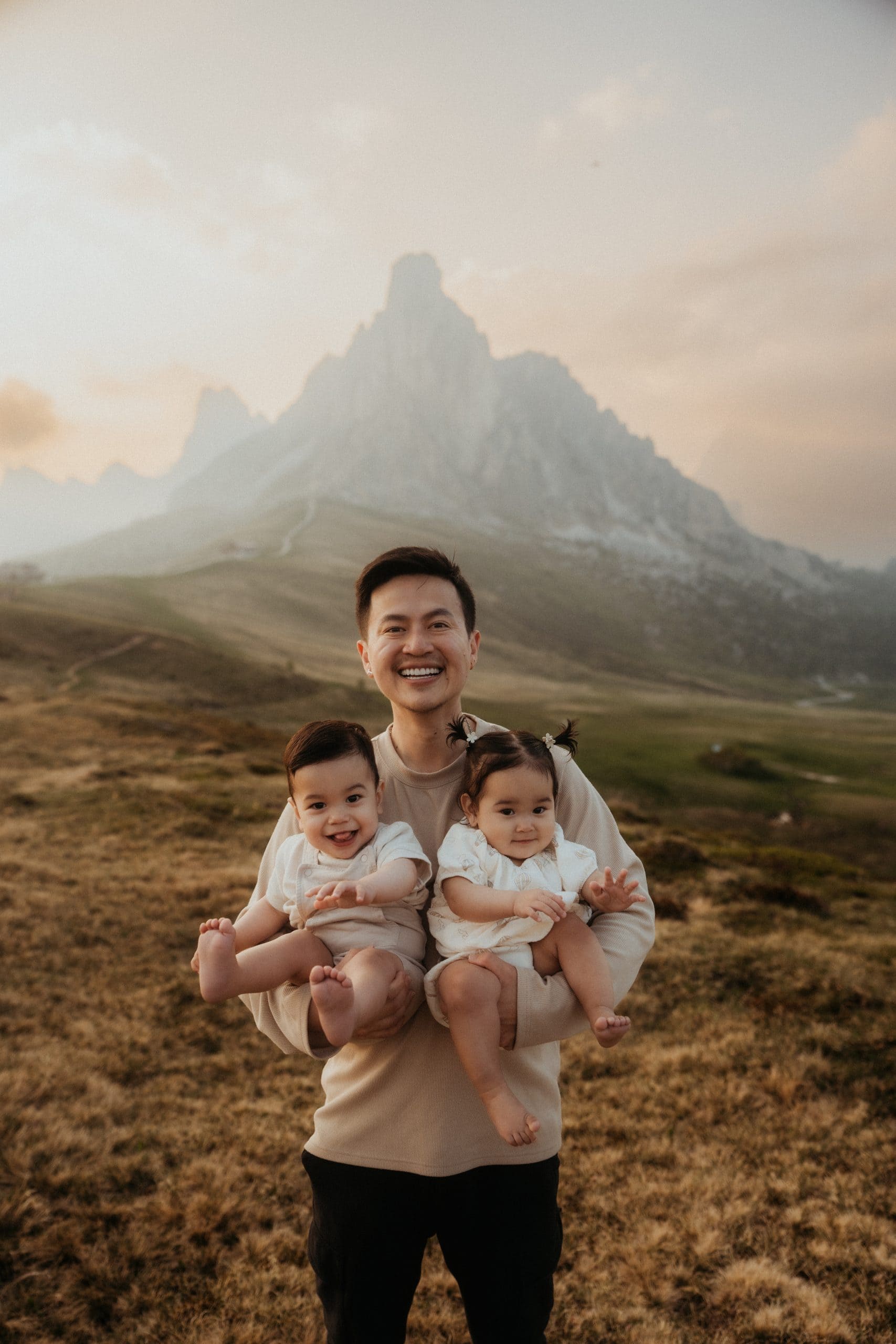
I’m Henry Tieu, a dad and the photographer behind these honest, meaningful, and artful images of weddings and elopements across Washington and around the world. Since 2018, I’ve documented more than 200 celebrations across six continents. My work has been featured by Junebug Weddings, Brides, The New York Times, Green Wedding Shoes, Dancing With Her, and Sony, and recognized with international awards. But more than anything, I care about creating photographs that help people feel their memories both now and years from now.
![The Ultimate Yosemite Elopement Guide [Updated for 2026]](https://www.henry-tieu.com/wp-content/uploads/2023/10/yosemite-elopement-henry-tieu-photography-196_websize-min-768x512.jpg)

![The Ultimate North Cascades National Park Elopement Guide [Updated for 2026]](https://www.henry-tieu.com/wp-content/uploads/2023/10/North-Cascades-Elopement-Henry-Tieu-Photography-11-768x512.jpg)

